Why Do People Say Not to Buy a New Car
A new car costs more to insure and loses value the moment you drive it, which is why so many people say to buy used instead.
It comes down to money lost, not the car itself
People say not to buy a new car because of what happens to its value and its insurance cost, not because anything is wrong with the car. A new car loses a large share of its value in the first few years, and your insurer bases your premium partly on that value. You end up paying more to insure something that is worth less every year you own it.
This holds for almost anyone, but it matters more or less depending on how you drive, how long you keep a car, and what your insurer charges for comprehensive and collision coverage on a new model. If you plan to keep the car a long time, or you pay cash and skip the loan, some of this concern applies less to you.
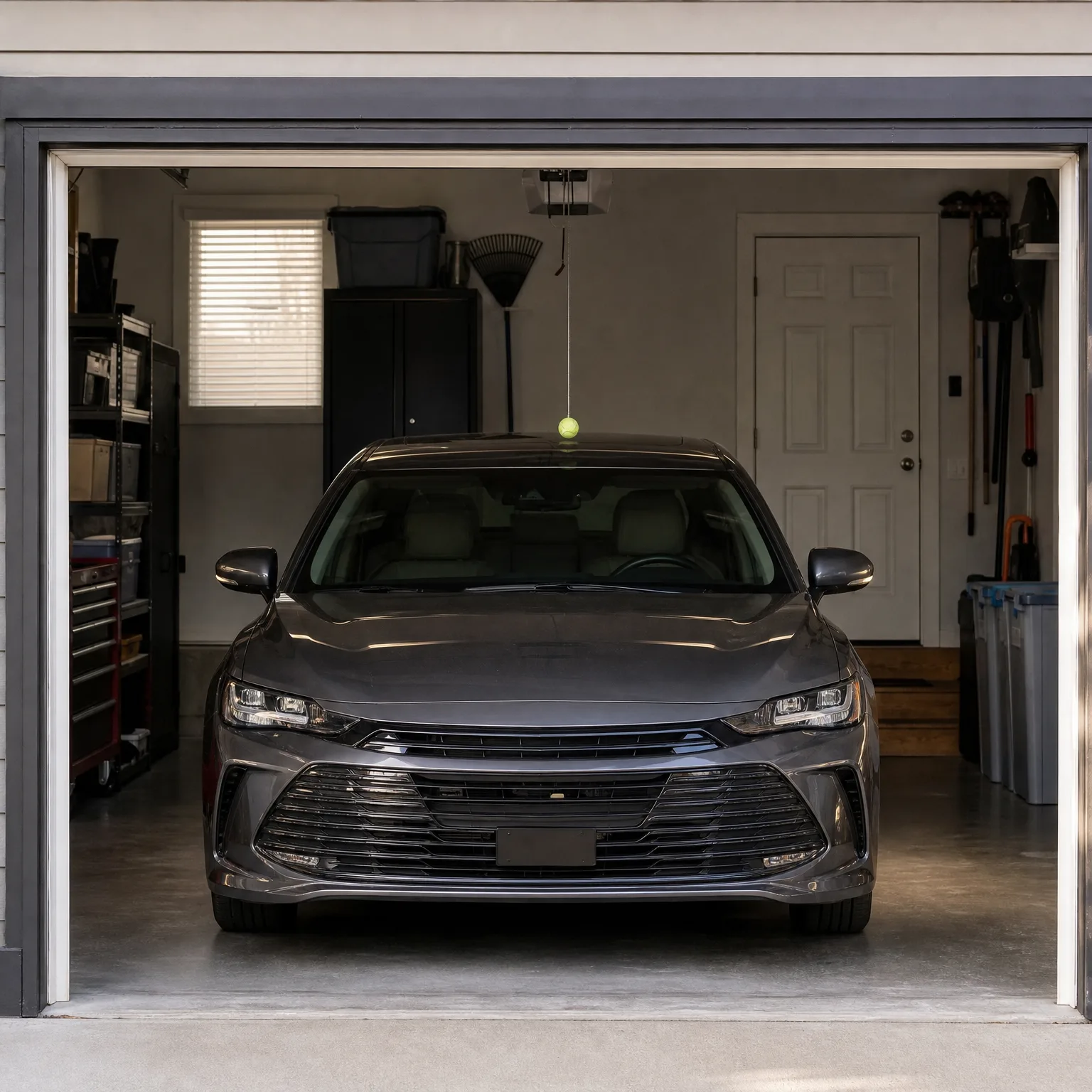
Whether you're financing it changes the math
If you finance or lease a new car, your lender almost always requires comprehensive and collision coverage, and sometimes gap insurance too. Those coverages cost more on a new car because the payout if it's totaled or stolen is higher. You don't get a choice about carrying them until the loan is paid off.
If you buy an older car with cash, you can choose to drop comprehensive and collision entirely once the car isn't worth much. That choice doesn't exist in the first years of owning a new, financed car, which is part of why the advice to avoid new cars sticks around.
Ask your insurer what comprehensive and collision would cost on the specific new car you're considering, compared to a similar used model. The gap is often bigger than people expect.
What most people miss: repair cost, not just the car's price
A new car often costs more to repair than an older one, even for the same kind of damage. Newer models have more sensors, cameras, and electronics built into the body, and those parts cost more to replace. Your insurer prices your premium around what it would cost them to fix or replace the car, not just what you paid for it.
This is separate from depreciation. Even if a new car held its value perfectly, the repair cost alone could still push your premium higher than an older, simpler car.
If you're deciding between two cars, ask for an insurance quote on each one before you buy. The difference can be large enough to change which car makes sense for you.
Questions people ask about this
Is it cheaper to insure a used car than a new car?
Usually, yes, mainly because comprehensive and collision coverage costs less on a car worth less. Repair costs also tend to be lower on older, simpler models. The exact difference depends on the specific cars and your insurer, so it's worth comparing quotes side by side rather than assuming.
Do older drivers pay more or less to insure a new car?
Age affects your base rate, but it doesn't change the reason a new car costs more to insure than an older one. Whatever your age-based rate is, it gets applied to a higher-value, more expensive-to-repair car. The new-versus-used gap in cost exists at any age.
Should I buy a car that's a few years old instead?
A car that's a few years old often costs less to insure than one fresh off the lot, since most of the steepest depreciation already happened. It can be a middle ground between a brand-new car and a much older one. Check insurance quotes on a few specific model years before deciding.
Does gap insurance matter if I buy a new car?
Gap insurance matters most when you finance a new car, because what you owe can be more than the car is worth if it's totaled early on. Without it, you could owe money on a car you no longer have. Ask your lender whether it's required and your insurer what it costs to add.
Will my insurance go down once my new car gets older?
Your premium usually drops over time as the car's value decreases, assuming your driving record and coverage stay the same. How much it drops and how fast depends on your insurer and the car itself. Ask your insurer to walk through how your premium is likely to change over the next few years.
See what a new car would actually cost you to insure before you commit to one.
Before you buy, get an insurance quote on the specific new car you're considering, not just a general estimate. Then get a quote on a comparable used or slightly older model so you can see the real gap for yourself. Ask your insurer directly whether comprehensive and collision are required if you're financing, and what gap insurance would add. If you're set on a new car, ask which trim or model year costs less to insure, since that can vary more than people expect. Bring both numbers with you when you talk to the dealer, so the insurance cost is part of the decision and not an afterthought.