Choosing an Affordable Car in Retirement
The car that costs less to insure is usually the one with a smaller engine, a strong safety record, and parts that are cheap to replace.
Look at insurance cost before you look at the car itself
The affordable choice is a car that insurers already rate as low risk. That usually means a modest engine size, a strong safety record, and a model that's common enough that parts and repairs are cheap. Insurers price the car as much as they price the driver, so two people with identical records can pay very different premiums depending on what's in the driveway.
For a retired driver, this matters more than it used to. Income is often fixed, so a jump in premium isn't something you can absorb by working an extra shift. Before you buy, ask your insurer or agent for a quote on the specific car, not just the make and model, since trim level and engine size change the price.
The car's repair and parts cost, not just its price tag
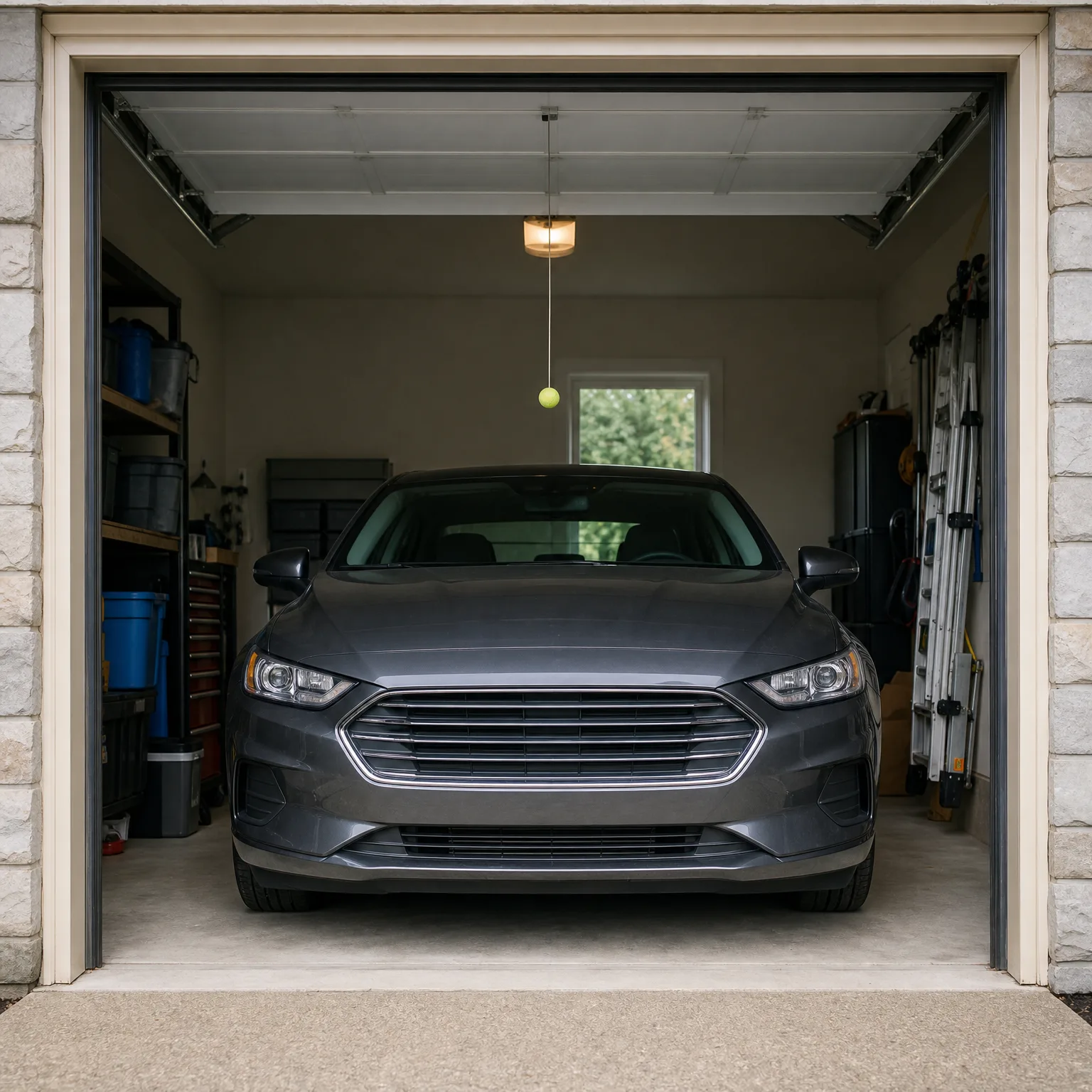
A cheap used car can still be expensive to insure if it's hard or costly to repair. Insurers look at how much it costs to fix the car after a claim, how often that model is stolen, and how expensive the parts are to source. A car with a common engine and widely available parts tends to cost less to insure than a rarer or more specialized model, even if the purchase price is similar.
This is why two cars that seem alike on paper can carry different premiums. A sedan with a long production run and a simple design is usually cheaper to insure than a newer model with less claims history behind it, or one with expensive sensors and cameras built into the bumpers and mirrors.
Before you commit to a car, ask the dealer or seller for the vehicle identification number and give it to your insurer. A quote based on the actual VIN will be more accurate than one based on the model name alone.
If you're keeping a car you already own, ask your insurer whether the model's safety features qualify for any accident avoidance discount. Many newer safety systems, like automatic braking, are the kind of thing insurers price in.

Your own driving record and how your insurer treats your age
The car is only half the equation. Your driving record, how many miles you drive each year, and how long you've been with your current insurer all factor into the premium too. Some insurers lower rates for drivers who drive fewer miles than they used to, which is common after retirement. Others ask about a defensive driving course completed recently, since some states require insurers to offer a discount for it.
If your vision or reaction time has changed, some states require a vision test or other check at renewal once you reach a certain age. This varies by state, so check with your state's motor vehicle agency to find out what applies to you specifically.
It's worth comparing your current policy against a few others even if you're not changing cars. An insurer that was competitive for your old driving pattern, commuting daily for instance, may not be the cheapest once you're driving less or driving locally instead.
Questions people ask about this
Is it cheaper to insure an older car or a new one in retirement?
It depends on the specific car, not just its age. An older model with a strong safety record and cheap parts can cost less to insure than a new car with expensive sensors and body panels. Ask your insurer for quotes on both before deciding.
Does driving fewer miles after retirement lower my premium?
It can, if your insurer asks about annual mileage and adjusts for it. Not every insurer prices mileage the same way, so ask your current insurer directly whether reporting lower mileage would change your rate.
Should I drop collision coverage on an older car to save money?
That depends on what the car is worth and what you could afford to replace it with out of pocket. Ask your insurer what the car's insured value is before deciding, since collision only pays out up to that amount.
Does a defensive driving course actually lower my premium?
It can, but only if your insurer offers that discount and you send them the completion certificate afterward. Ask your insurer before you take a course whether it qualifies and what they need from you to apply the discount.
Will my insurer drop me for being an older driver?
Insurers generally price risk through your driving record and other factors rather than age alone, but rules and practices vary by state and by insurer. Check with your state's insurance department if you're concerned about how your policy might be handled at renewal.
See what a few insurers would charge for the car you're considering before you decide.
Before you buy or trade in a car, get the VIN of any model you're seriously considering and ask a few insurers for a quote on that exact vehicle. Compare those numbers against what you're paying now, including any mileage or course discounts you might qualify for. If you're keeping your current car, call your insurer and ask directly whether your rate reflects your current mileage and any safety features it has. Check with your state's motor vehicle agency about any vision test or renewal requirement tied to your age, so there are no surprises. Do this before your current policy renews, so you have time to switch if another insurer offers a better rate for the same coverage.