Should You Buy a Car Before Retirement
It can work out well, but the right time depends on your income after retirement and the car you choose, not the date on your calendar.
It depends on your income after retirement, not the date you stop working
Buying before retirement usually makes qualifying for a car loan easier, since lenders look at your income and a paycheck is simpler to document than retirement savings or a fixed income. If you wait until after you've retired, you may still qualify, but you'll likely need to show more paperwork, like pension statements or investment income, and some lenders weigh that differently.
It also depends on what you plan to drive once you retire. If you're buying the car you'll keep for years afterward, buying it while you're still working and your income is at its highest can mean a better loan rate and more room in your budget. If you're not sure what you'll need yet, there's less reason to rush.
Your income and credit picture change the math
A lender wants to see steady income and a history of paying on time. While you're working, that's usually straightforward to document with pay stubs and tax returns. Once you retire, your income may come from several places, Social Security, a pension, withdrawals from savings, and some lenders ask for more detail to piece that together.
This doesn't mean you can't get approved after retiring. It means the process can take longer and the paperwork is different. If you're close to retiring and know you'll want a car soon after, buying a few months early, while your work income is still active, can make the loan simpler.
Your credit score matters here too. If you plan to retire and your income will drop, buying now while your debt-to-income ratio looks better can help you qualify for a lower rate. Once you're retired, ask your bank or credit union how they evaluate retirement income before you assume anything.
How retiring changes your car insurance
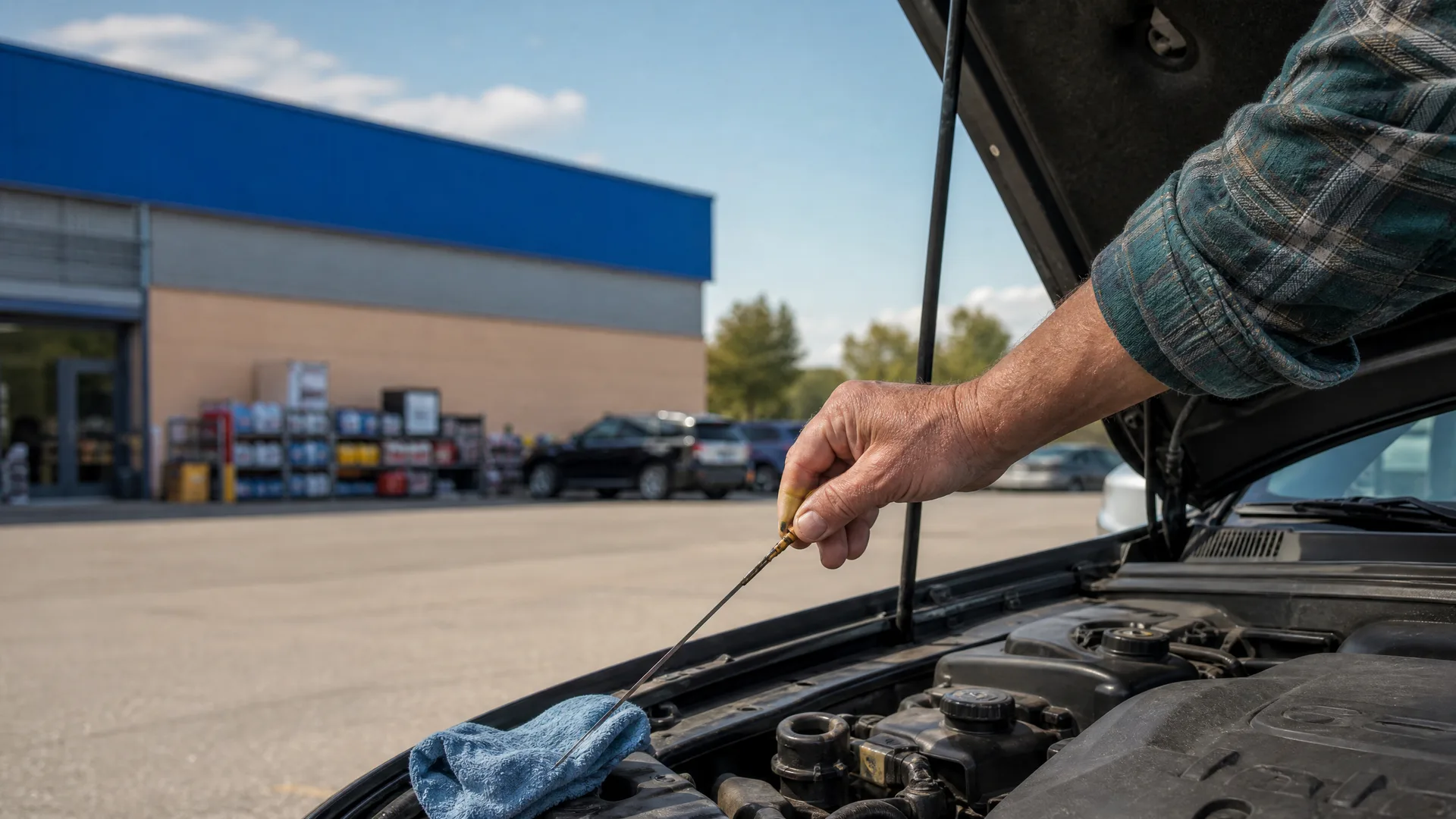
Retiring itself can affect your premium, sometimes for the better. If you stop commuting, you're driving fewer miles a year, and some insurers lower rates for lower mileage. Ask your insurer whether they offer a reduced-mileage discount and what proof they need, like an odometer reading or a statement about your new commute.
The car you choose also affects your rate going forward. A newer car, a different body style, or added safety features can all change what you pay, separately from anything about your age or retirement. If you're buying new, ask for a quote before you sign anything, not after.
If you're already over the age where some insurers apply age-related adjustments, get a quote on the specific car before you commit to the purchase. The combination of the car and your age bracket is what the insurer prices, not one or the other alone.
Questions people ask about this
Does retiring affect my car insurance rate?
It can, mainly through how much you drive. If your commute goes away, you may qualify for a lower-mileage discount, but you need to tell your insurer and may need to show proof. Ask what they require before assuming the discount applies automatically.
Is it harder to get a car loan after you retire?
It can take more paperwork, not because retired people are less creditworthy, but because retirement income comes from more sources than a single paycheck. Lenders still approve retirees regularly. Ask your lender what documentation they want for pension, Social Security, or investment income before you apply.
Should I pay cash for a car instead of financing it in retirement?
That depends on your overall finances, not a rule about retirement. Paying cash avoids loan approval questions and ongoing payments, but it also uses savings you may want for other things. This is worth discussing with whoever helps you manage your retirement income, not something insurance or a dealer can answer for you.
What kind of car is cheaper to insure for retirees?
There's no single answer, since insurers price the car and the driver together. Generally, cars with strong safety ratings and lower repair costs tend to cost less to insure. Get a quote on the specific make and model you're considering rather than relying on a general reputation.
Will my insurance go up once I'm no longer commuting to work?
It's more likely to go down than up, since fewer miles driven usually lowers risk in an insurer's eyes. But this isn't guaranteed and varies by insurer. Call and ask how they factor in mileage and what you need to report once your driving habits change.
If you're weighing the timing, see what the car would cost to insure before you decide when to buy it.
Decide roughly when you want the car, before retirement or after, based on your loan and income picture, and talk to your lender about what each timing means for approval. Get an insurance quote on the specific car you're considering, since the rate depends on the vehicle and your age bracket together. Ask your current insurer how retiring will change your mileage and whether that qualifies you for any adjustment. If you're buying before you retire, try to do it while your work income is still documented and steady. Keep records of your retirement income sources ready in case a lender asks for them later.