Is a Used Car Cheaper to Insure Than a New One
A used car is usually cheaper to insure because it costs less to repair or replace, but the gap depends on the car and the coverage you carry.
Yes, in most cases
A used car typically costs less to insure than a new one. Insurance companies set your premium partly on what the car is worth, since that's what they'd pay out if it were stolen or totaled. A used car has a lower value than the same model new, so the payout risk is smaller and the premium usually follows.
This holds most clearly for comprehensive and collision coverage, since those pay based on your car's value. Liability coverage, which pays for damage you cause to others, doesn't change much based on your car's age. So the savings show up more if you carry full coverage than if you carry only the state minimum.
What your car is worth now
The size of the gap between new and used comes down to how much value the car has already lost. A car loses a large share of its value in the first few years, and insurance for comprehensive and collision follows that value down. A car that's a few years old can cost noticeably less to insure than the same model fresh off the lot.
Repair cost matters too, not just the sticker price. Newer cars often have more expensive parts and more sensors and cameras built into the bumpers and windshield, which raises the cost of even small repairs. A used car with simpler parts can be cheaper to fix, which also lowers what you pay.
If you're deciding between a used car and a new one, ask your insurer for a quote on both before you buy. The difference in premium is one real number you can put next to the difference in price.
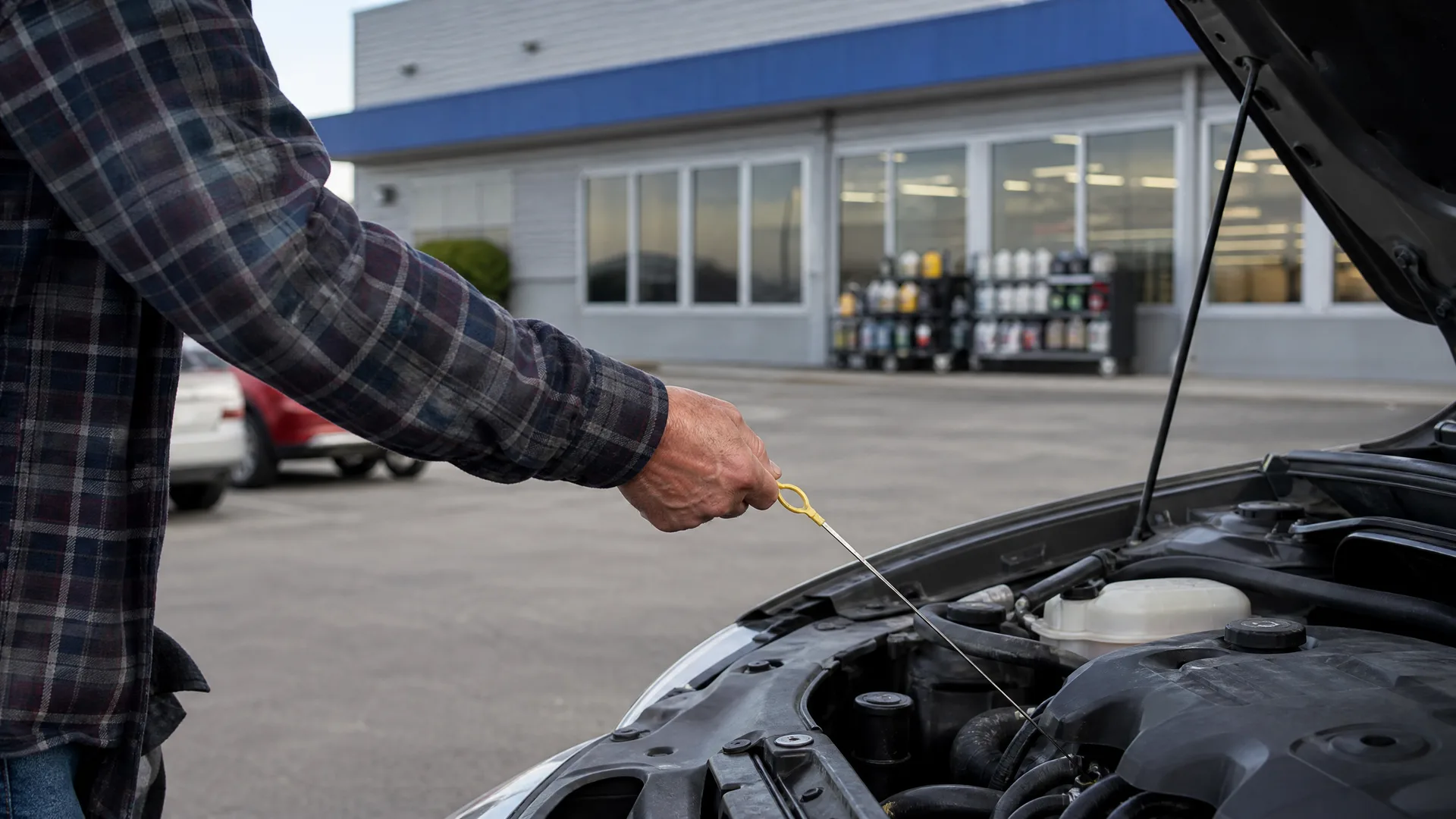
What coverage you choose to carry
How much the used car saves you depends heavily on whether you keep comprehensive and collision coverage or drop them. Many lenders require full coverage while you're still paying off a loan, new or used. Once a car is paid off, some owners drop comprehensive and collision if the car's value has dropped enough that the payout wouldn't be worth the premium.
If you're insuring a used car you own outright, it's worth asking your insurer what your car would be worth in a total loss and comparing that to what you're paying for coverage on it. On an older used car, you may find the premium savings are real, but so is the case for carrying less coverage altogether.
Your driving record, your state, and your insurer's own pricing still affect the final premium alongside the car itself. The used car discount is one piece of what you pay, not the whole picture.
Questions people ask about this
Does a used car's age affect my insurance rate beyond its value?
Yes, a car's age can affect rates in ways beyond value, mainly through safety features. Newer cars often include technology like automatic braking or lane-assist that some insurers price lower because it can reduce claims. An older used car without those features may not get that adjustment even if it's cheaper to replace.
Is a certified pre-owned car insured differently than a regular used car?
Insurers generally price based on the car's make, model, year, and value, not on whether it was sold as certified pre-owned. A certified pre-owned car is still a used car for insurance purposes. Ask your insurer directly if you're comparing a certified pre-owned option against a new one.
Will my insurance go up if I buy an older used car with no safety features?
It depends on the insurer and the specific car. Some insurers weigh safety features heavily, and a car without airbags in good working order or modern crash protection could cost more to insure despite its lower value. Ask for a quote on the specific car before you buy rather than assuming age alone settles it.
Does the used car's accident history affect my insurance cost?
A car's past accidents don't typically show up directly in your premium the way your own driving record does. Insurers price based on the car's current value, type, and safety rating, not its history of past damage. If you're concerned about hidden damage, a vehicle history report is a separate check worth doing before you buy, regardless of insurance.
Should I drop full coverage on an older used car to save more?
Whether to drop comprehensive and collision depends on your car's current value and whether you could afford to replace it without that coverage. If your lender still requires full coverage, you don't have the option yet. Ask your insurer what your specific car is valued at today before deciding, since that number tells you more than the car's age alone.
See what a used car would actually cost to insure against the new one you're considering.
Get the year, make, and model of both the used car and the new car you're weighing, along with their mileage and condition. Request a quote on each one so you're comparing real numbers rather than assumptions. Ask your insurer how much of the difference comes from the car's value versus its safety features, since that tells you what you're actually paying for. If you're financing either car, check whether the lender requires full coverage, since that limits whether you can lower your premium by dropping comprehensive and collision. Keep the quotes in hand when you talk to the seller or dealer, since the insurance cost is part of the real price of the car.