Is It Dumb to Buy a New Car Right Now
Whether it's dumb depends on why you're buying it and how you're paying for it, not on your age.
It depends on the reason, not the timing
Buying a new car isn't dumb just because of when you do it. It's a bad move if you're financing more than you can comfortably pay off, or if you're buying new because you feel pressured to upgrade rather than because your current car has stopped serving you.
It can be a sound move if your current car has become unreliable or unsafe, if newer safety features matter to you, or if you're paying cash or have a payment you can absorb easily. Age isn't the deciding factor here. Your finances and your actual need for a different car are.
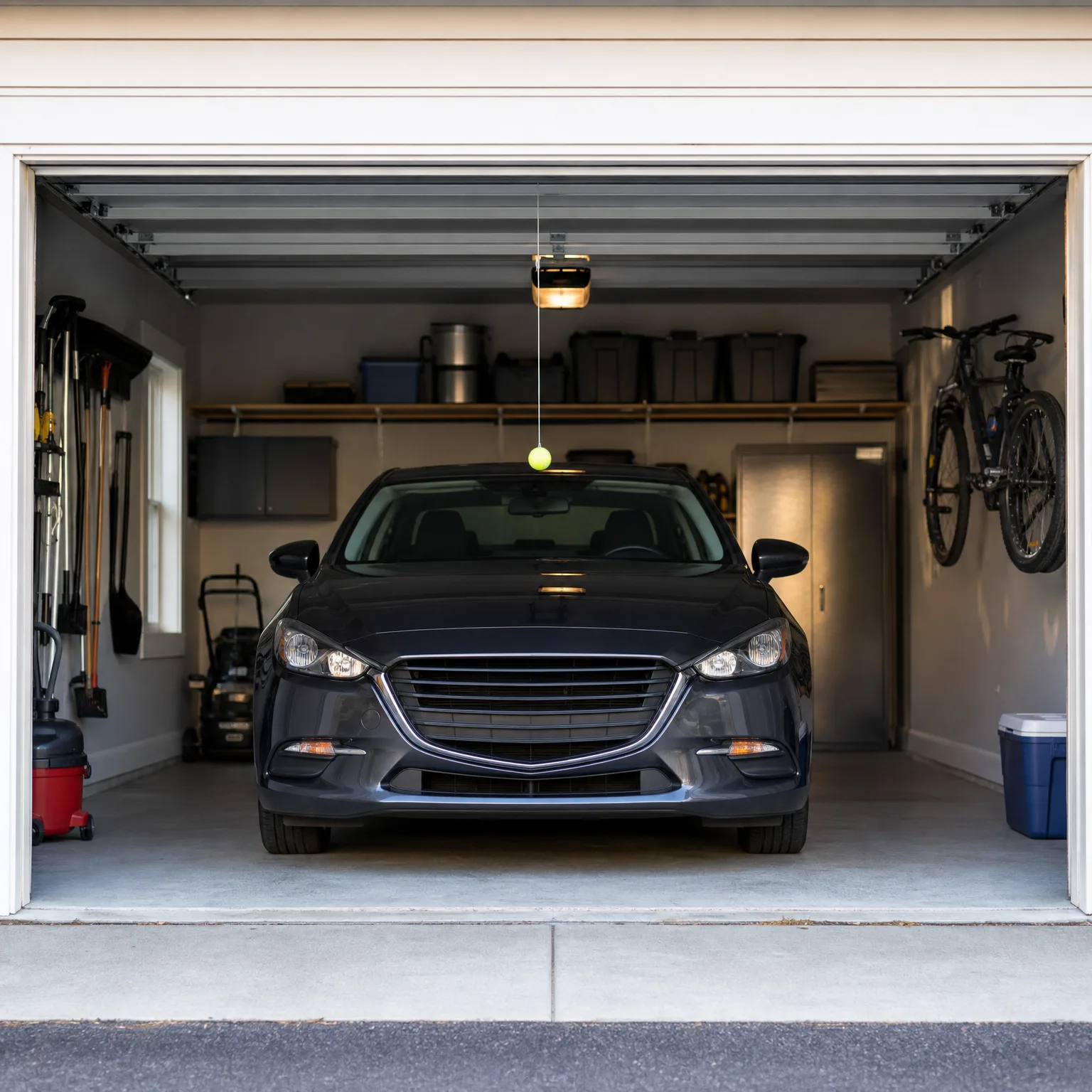
What it does to your insurance cost
A new car almost always costs more to insure than the one it replaces, especially if it's worth more or has a loan or lease attached that requires full coverage. Comprehensive and collision coverage get added back in if you'd dropped them on an older paid-off car, and that changes your premium regardless of your driving record.
Before you buy, get a quote on the specific car you're considering. Insurers price risk by make, model, and trim, and two similar-looking cars can cost noticeably different amounts to cover. Some models are cheaper to repair or less likely to be stolen, and that shows up in the price.
If you're still working and planning to retire soon, think about what your insurance budget looks like on a fixed income, not just what it looks like now. A new car payment plus a higher premium is a different commitment once your income changes.
If your driving has dropped off, ask your insurer whether a low mileage discount applies, since it can offset some of what a new car adds to the bill.

What your driving record and license status mean here
If your license has any restrictions, such as a vision requirement or a limit on hours you can drive, check how those apply before you commit to a car that assumes unrestricted use. This varies by state, so check with your state's licensing agency for what applies to you.
Your driving record still matters more than your age when an insurer prices a new car. A clean record keeps the new car's higher insurance cost closer to what you're used to paying. A recent claim or violation stacks on top of the new car's higher baseline cost.
If you've taken a defensive driving or mature driver course, ask your insurer whether that discount still applies on a new policy for a new vehicle. You may need to send them the certificate again when the car changes, even if you already got the discount once.
If you're buying the car partly because you expect to drive less in the coming years, say so when you get quotes. Some insurers have usage based programs that price the policy on actual miles driven rather than assumptions.
Questions people ask about this
Is it better to buy used instead of new at this point?
A used car usually costs less to insure and less to buy, which matters more if you're on a fixed income. The tradeoff is you may give up newer safety features or a manufacturer warranty. Weigh which matters more for your situation before deciding.
Will my insurance go up if I finance a new car?
Likely yes, because a loan usually requires you to carry comprehensive and collision coverage you might not have carried on an older paid-off car. Ask your lender what coverage they require and get a quote with that coverage included before you sign.
Should I drop collision coverage on my next car?
That depends on the car's value and whether you're financing it. If you're paying cash and the car is worth little, dropping collision coverage can make sense. If you're financing, your lender will likely require it, so check your loan terms first.
Does a new car with safety features lower my insurance rate?
Some insurers offer a discount for certain safety features like automatic braking or lane assist, but this isn't universal. Ask the insurer you're considering whether the specific car you want qualifies for any such discount.
How do I know if I can still afford the insurance on a new car?
Get an actual quote for the specific car before you buy it, not an estimate based on your old car. Compare that number against your current budget, especially if your income is changing or about to change.
See what the car you're considering would actually cost to insure before you decide.
Pick the specific make, model, and trim you're considering, not just the general type of car, since insurance pricing varies between them. Get a quote on that exact vehicle before you sign anything, and compare it against what you're paying now. If you have a course certificate or a low mileage habit, mention both when you ask for the quote, since neither applies automatically. If your license has any restrictions, confirm with your state's licensing agency that they still apply to how you plan to use the car. Then decide based on the actual numbers in front of you, not on what you assume a new car will cost.