Should Retirees Buy New or Used Car Pros and Cons
There's no single right answer, it depends more on how you drive now and what you can afford to fix or replace than on your age.
Either can make sense, the deciding factor is your situation, not your birthday
A new car and a used car both have a reasonable case for a retiree, and neither one is automatically the smarter buy. What matters is how many miles you drive now, whether you still need two cars, and what you'd do if a repair bill or an accident came up.
A new car costs more to insure because it costs more to replace, but it comes with fewer surprises, a warranty, and safety features that can lower certain parts of your premium. A used car costs less upfront and less to insure, but repairs land on you sooner, and older safety systems mean less protection if something goes wrong. Which one fits depends on your budget, your health, and how much you want to spend on upkeep versus on a monthly payment.

How much you still drive changes the math
If you've cut back on driving since retiring, a used car often makes more sense. Lower mileage means less wear, so a used car's weaker points, higher repair odds and fewer modern safety features, matter less because you're less likely to need them.
If you still drive often, for errands, grandchildren, or travel, a newer car's reliability and safety features start to earn their keep. You're more likely to be in situations where automatic braking or a backup camera actually prevents a claim, and you're less likely to be stranded by a breakdown.
Your insurer will ask about annual mileage when you get a quote, and the answer affects your premium either way. It's worth checking your actual mileage from the last year, many people overestimate how much they drive once they're retired, rather than guessing.
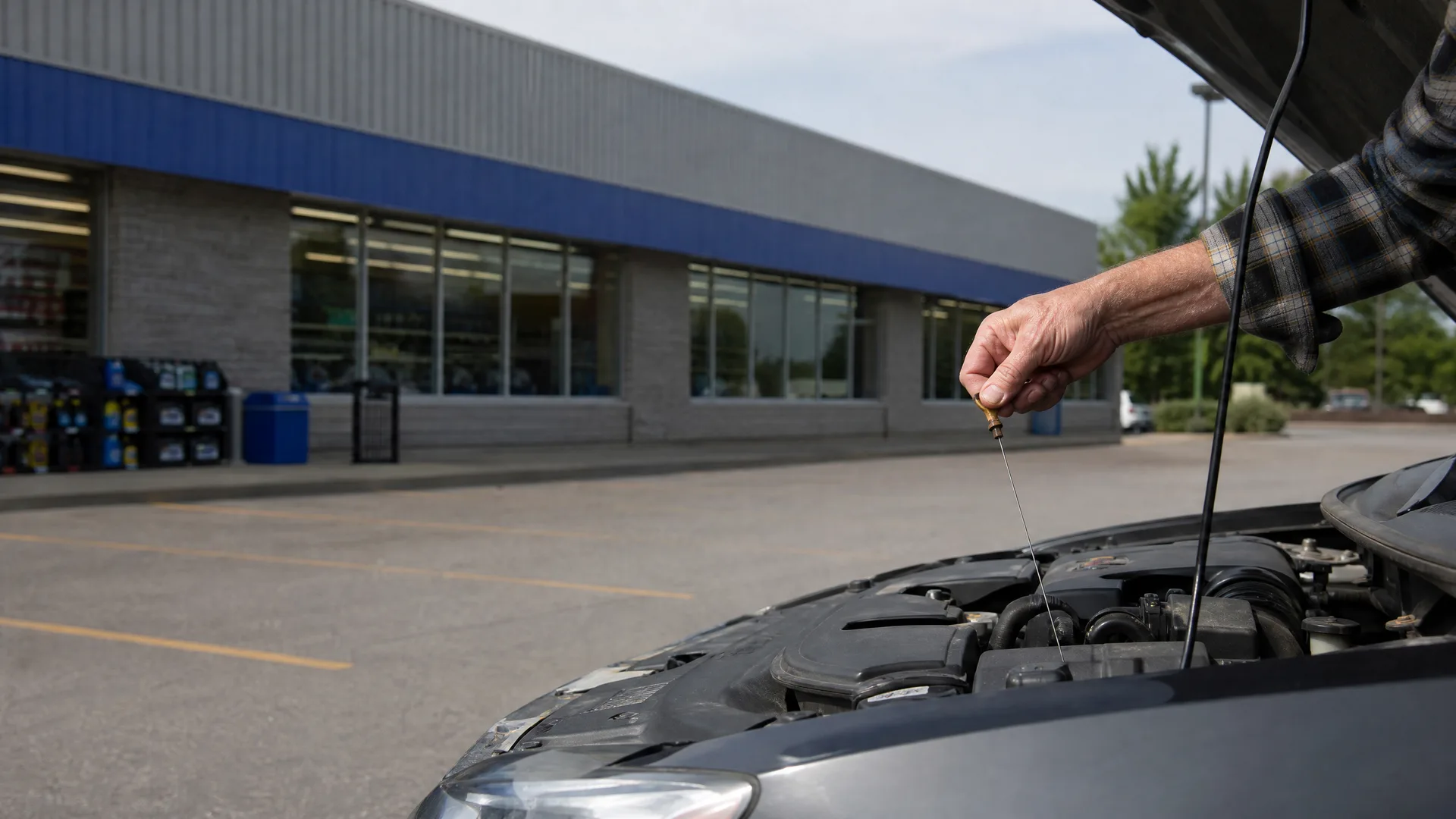
What a repair or a totaled car would mean for you
A used car is cheaper to insure partly because it's cheaper to replace. If it's totaled, you get its current value, which may not cover much of a replacement. A new car costs more to insure but a total loss payout goes further toward a replacement.
The real question is what an unexpected expense would do to your budget. If a major repair or a sudden need to replace the car would strain your finances, that argues for whichever option leaves you with more cash in hand, which could be the lower sticker price of a used car or the loan or lease protection some new car policies include.
Ask your insurer directly what a total loss payout would look like for the specific car you're considering, new or used. That number, not the sticker price, is what tells you how exposed you'd be.
Questions people ask about this
Does car insurance go up or down after you retire?
It often changes, but not the same way for everyone. Insurers look at how much you drive and sometimes reward lower mileage after retirement, but other factors like your location and the car itself still weigh in. Ask your insurer to walk through what changed on your last renewal.
Is it cheaper to insure a used car than a new car?
Usually yes, because the insurer's payout if it's totaled is based on the car's value, and a used car is worth less. But the gap varies by model, since some used cars still cost a lot to repair or replace parts for. Get quotes on the specific cars you're comparing rather than assuming the used one wins.
Should retirees drop collision coverage on an older car?
It depends on what the car is worth and what you could afford to replace it with out of pocket. If the car's value is low enough that a payout wouldn't cover much anyway, some retirees choose to drop collision and keep the premium lower. Ask your insurer for the car's current value before deciding, not its purchase price.
Do safety features on a new car actually lower insurance costs?
Many insurers give credit for things like automatic braking, lane departure warnings, and backup cameras, since they can reduce claims. The discount varies by insurer and by which features the car has, so it's not guaranteed to offset the higher cost of insuring a newer car. Ask directly which features your insurer credits before assuming a new car will save you money overall.
Does leasing a car make sense for someone retired?
It depends on how long you plan to keep driving regularly and whether you want to avoid repair costs altogether. Leases often require specific coverage levels that can cost more than you'd carry on a car you own outright. Check the lease's insurance requirements against your current policy before signing anything.
See what a new car and a used car would each actually cost you to insure before you decide.
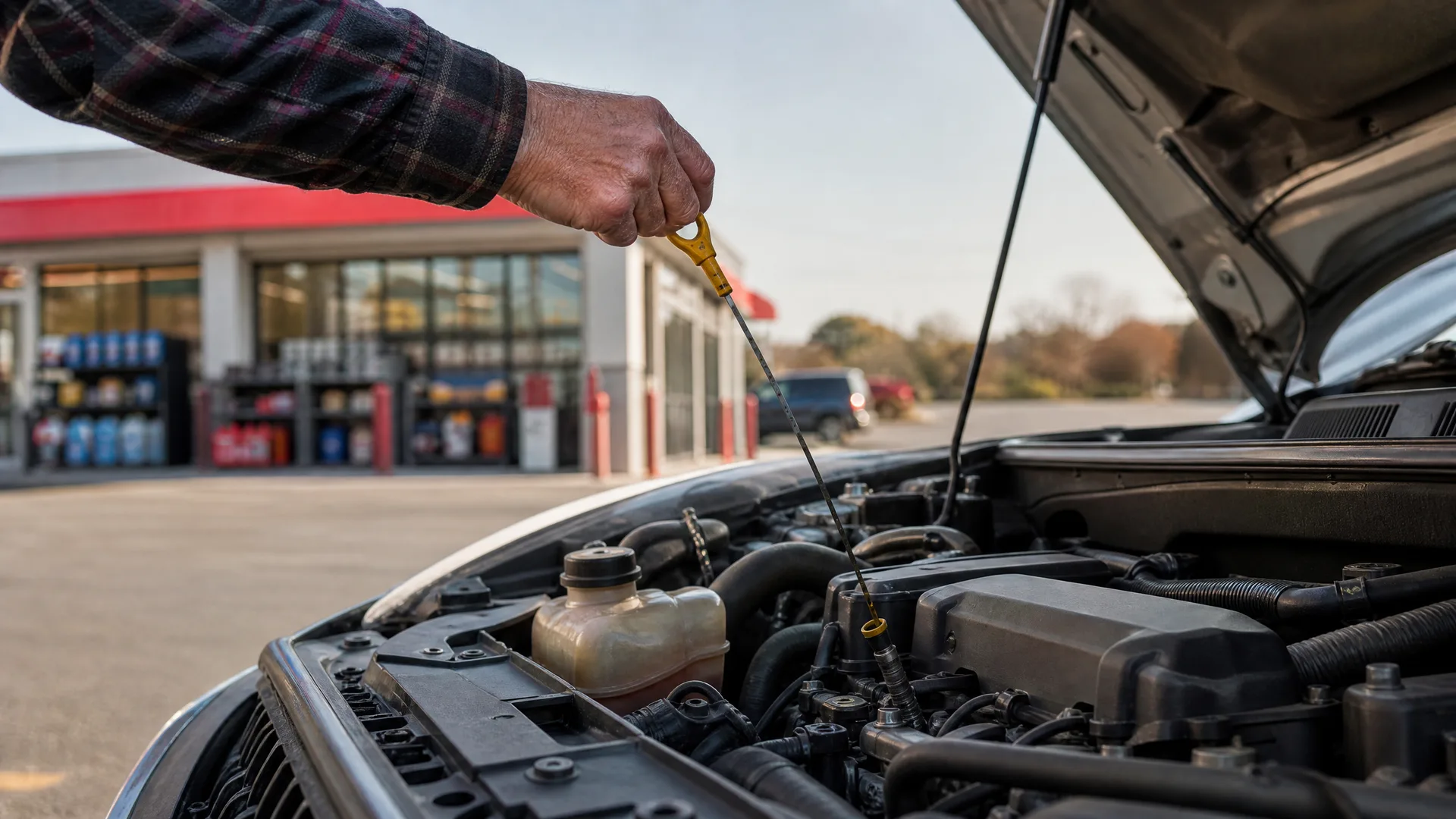
Pick two or three specific cars you're actually considering, one new and one used, and get a real insurance quote on each rather than estimating. Check your mileage from the past year so you're quoting with an accurate number instead of a guess. Call your current insurer and ask what a total loss payout would look like for your present car, so you know what you're working with if you trade it in. If safety features are a factor, ask which ones your insurer actually credits, since not all of them affect the premium. Bring all of this to the comparison before you commit to either option.