What to Look for in a Pre Purchase Inspection
A pre purchase inspection should check the frame, the fluids, the brakes, and the signs that a car was in an accident or flooded, by someone who has no stake in the sale.
Look at the whole car, not just the parts the seller points to
A proper inspection covers the frame and body for signs of prior damage, the engine and fluids for leaks or neglect, the brakes and tires for wear, and the electrical and safety systems to see that they work. It also includes a check of the vehicle history report against what the mechanic actually finds under the car, since a clean report doesn't rule out damage that was never reported.
Who does the inspection matters as much as what gets checked. A mechanic you hired, not the seller's mechanic and not the dealer's service department, has no reason to smooth over what they find. If a seller won't allow an independent inspection at all, that alone tells you something.
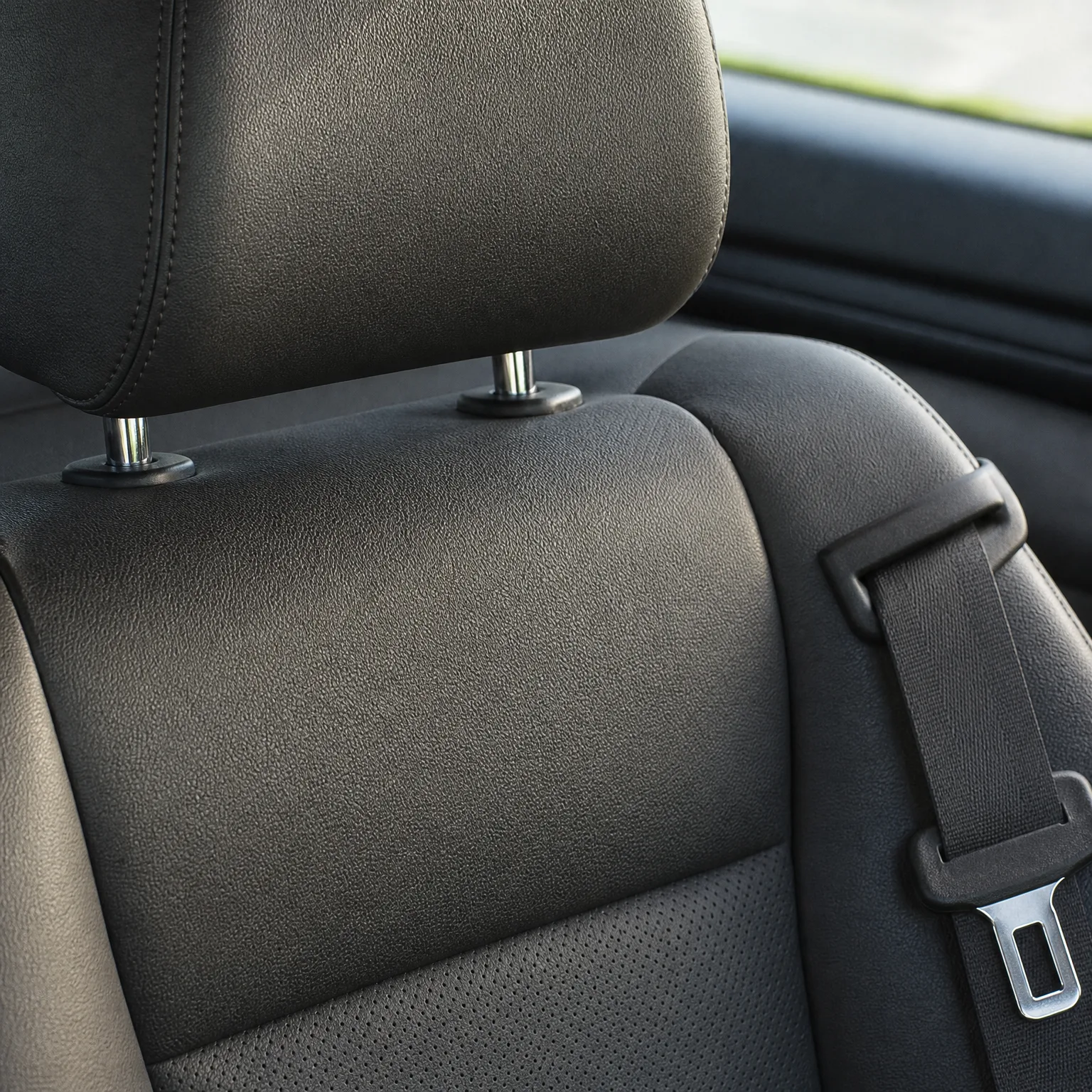
Whether the car was in an accident changes what you're buying
A car that was properly repaired after a minor accident can be a fine car. A car with frame damage, flood damage, or a salvage title carries risks that don't show up in a test drive. The inspection should specifically look for uneven panel gaps, mismatched paint, rust in places that shouldn't rust, and a musty smell or water stains that suggest the car was underwater at some point.
Ask the mechanic to check the VIN against the vehicle history report themselves rather than taking the seller's printout at face value. Reports can miss accidents that were never filed with an insurer or a state agency.
If the inspection turns up prior damage the seller didn't disclose, that changes your leverage on price, not just your decision to buy. Get the findings in writing before you negotiate further.
What's wearing out tells you what you'll pay for soon
Brakes, tires, belts, and the battery wear down on a schedule, and a good inspection tells you where each one stands. A car that needs new brakes and tires right after purchase costs more than the sale price suggests, even if the engine is sound.
Fluid condition matters too. Dark or gritty oil, transmission fluid that smells burnt, or coolant that looks rusty all point to maintenance that was skipped or delayed. A mechanic can usually tell from the fluids alone whether the car was cared for.
Ask for the inspection to include an estimate of what needs attention soon, not just what's broken now. That number, even an informal one, belongs in your decision alongside the asking price.
Questions people ask about this
How much does a pre purchase inspection cost?
The cost varies by mechanic and by how thorough the inspection is, so ask the shop for their rate before you book it. Many independent mechanics offer a flat fee for this specific service, separate from a standard repair estimate.
Can I do a pre purchase inspection myself?
You can check some basics yourself, like tire tread, obvious rust, and whether the lights and signals work, but a full inspection needs a lift and diagnostic tools most people don't have. The real value of a professional inspection is catching what a visual check from the driveway can't.
Will the seller let me take the car to my own mechanic?
A private seller or dealer who's confident in the car's condition usually will. If someone refuses an independent inspection or insists you only use their mechanic, treat that as a reason to look more closely or walk away.
Does a pre purchase inspection affect my insurance rate?
An inspection itself doesn't affect your rate, but what it finds can affect which car you end up buying, and the car you choose does affect your premium. It's worth asking your insurer for a quote on a specific vehicle before you finalize the purchase.
What's the difference between a pre purchase inspection and an emissions test?
An emissions test checks whether the car meets your state's pollution standards and is often required for registration. A pre purchase inspection is a broader mechanical check you arrange yourself, and it isn't required by any state or agency.
Once you know what you're actually buying, it's worth seeing what it costs to insure.
Before you sign anything, find an independent mechanic who doesn't work for the seller or the dealer and schedule the inspection yourself. Bring the vehicle history report and ask the mechanic to verify the VIN and check for signs of prior accident or flood damage. Get the findings in writing, including an estimate of upcoming repairs, so you can use them in price negotiations or walk away with real information. If the car checks out, get a quote from your insurer for that specific vehicle before you complete the purchase, since the make, model, and year all factor into your premium.