How to Check a Used Car History
A report tells you what's on record. An inspection tells you what the record left out.
Run the vehicle identification number, then have a mechanic look at the car
Checking a used car's history means pulling a report on its vehicle identification number, which is the seventeen-character code stamped on the dashboard and the driver's side door frame. That report can show past accidents, title problems, odometer readings, and whether the car was ever declared a total loss.
A report alone doesn't tell you everything. Some accidents and repairs never get reported to the services that compile these histories. That's why the report is the starting point, not the whole job. An independent mechanic who inspects the car in person will catch things no database knows about.
Where the vehicle identification number comes from matters
You need the number directly off the car, not from the seller's listing or a photo they sent you. Walk up to the car, find the number on the dashboard through the windshield, and check that it matches the number on the title and registration. If those don't match, that's a reason to walk away before you spend money on anything else.
Once you have the number confirmed, you can run it through a paid vehicle history service. Some are more thorough than others, and none of them see every record that exists. A clean report is a good sign, not a guarantee.
The title itself is worth reading closely too. Look for words like salvage, rebuilt, or flood on the title document, since these mark cars that were seriously damaged at some point even if the seller doesn't mention it.
What the report can't tell you, a mechanic can
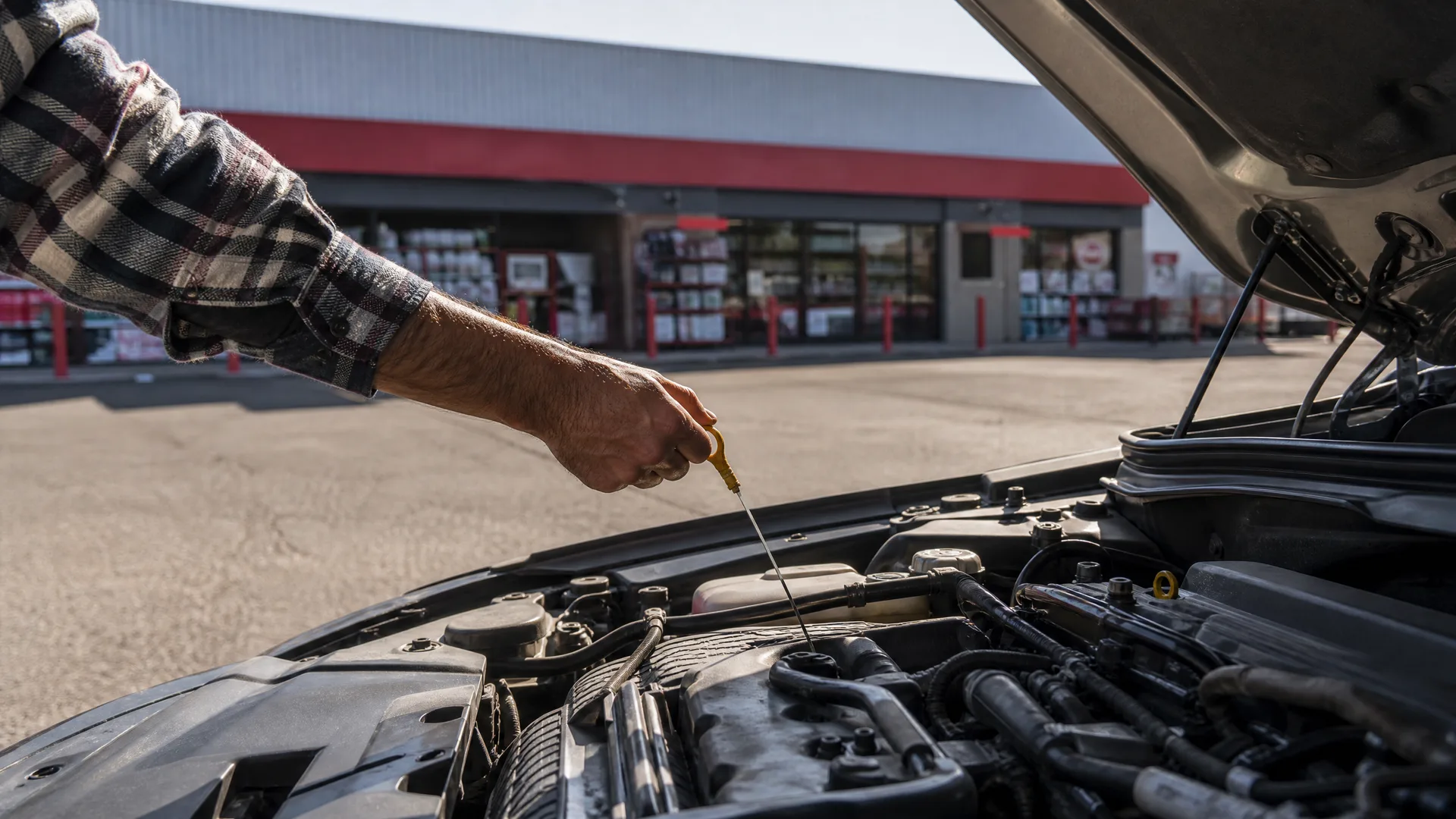
A vehicle history report is built from records other people submitted. It won't tell you if the brakes are worn down, if there's a leak somewhere, or if a repair was done cheaply after an accident that was never reported. For that, you need someone to actually look at the car.
Paying an independent mechanic to inspect the car before you buy it is worth the cost. Ask them to check the frame, the engine, and the signs of any prior bodywork. A seller who refuses to let you get an inspection done is telling you something.
It also helps to ask the seller directly for maintenance records and any past repair receipts they have. A seller who has kept good records and shares them willingly is usually a good sign about how the car was treated.
Questions people ask about this
How much does a vehicle history report cost?
The cost varies by which service you use and whether you buy a single report or a subscription. Some sites offer a free preliminary check before charging for the full report. Compare what each service includes before you pay.
Can I check a car's history for free?
You can get some basic information for free, including a check on whether the title is salvage or has a lien on it, often through your state's motor vehicle agency. A full accident and ownership history usually requires a paid report.
Does a clean vehicle history report mean the car has no problems?
No, it means no problems were reported to the services that compile these histories. Mechanical issues, minor accidents paid for out of pocket, and some flood damage can go unreported. Pair the report with an independent inspection.
What does it mean if a car has a salvage title?
It means an insurer declared the car a total loss at some point, usually after serious damage, and it was later repaired and retitled. These cars can have ongoing issues and are typically worth less. Ask what caused the total loss designation and get it inspected carefully.
Will buying a used car with a questionable history affect my insurance?
It can affect what it costs to insure and what coverage is available, since insurers look at the car's value and condition when they set a rate. A car with a salvage or rebuilt title may be harder to insure fully. Ask an insurer directly how they'd treat the specific car before you buy it.
Once you know what you're buying, see what it costs to insure before you commit.
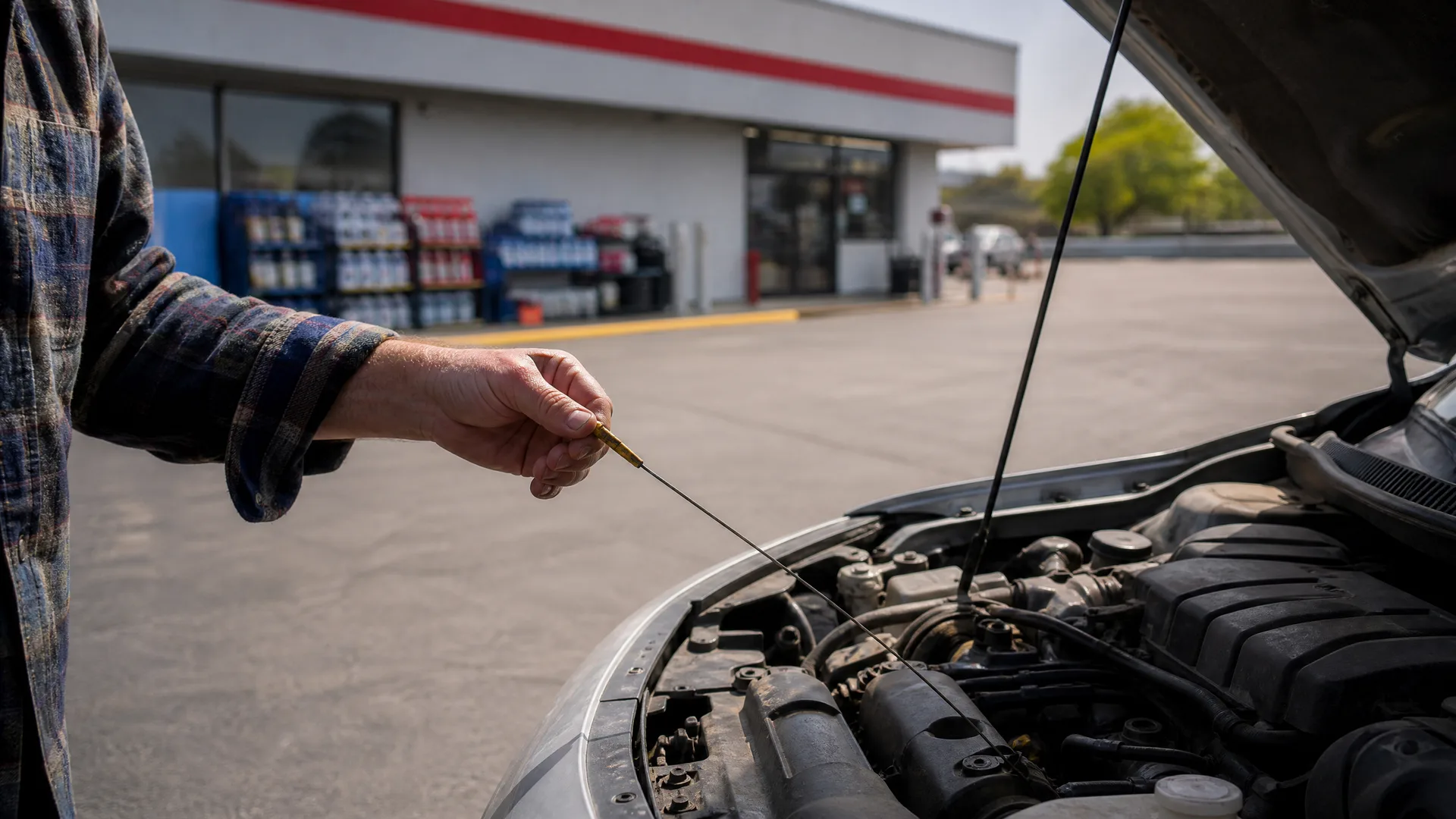
Get the vehicle identification number directly from the car and run it through a vehicle history service before you agree to anything. Read the title itself for words like salvage, rebuilt, or flood. Ask the seller for maintenance records and past repair receipts. Then pay an independent mechanic, not one the seller recommends, to inspect the car in person. If the seller won't allow an inspection, treat that as your answer.