How to Test Drive a Used Car
A good test drive checks the car in conditions it will actually face, not just a quiet parking lot.
Drive it the way you'll actually drive it
Take the car on the roads you use most. If you mostly drive on the highway, get it up to highway speed. If you mostly drive in town, take it through stop and go traffic, turns, and a parking lot. A test drive that only covers one kind of road tells you less than you think it does.
Give yourself enough time to notice things that don't show up in the first five minutes. Brakes that feel fine at low speed can pull or grab once the car has warmed up. A transmission that shifts smoothly at a steady speed can hesitate going uphill. Twenty minutes tells you more than five.
What you check before you even start the engine
Sit in the car before you turn the key. Adjust the seat, the mirrors, and the steering wheel the way you would for a normal drive, and check that you can see out of every window. Look at the dashboard once the car is on and note anything lit up that shouldn't be.
Open the doors, trunk, and hood while the car is parked. Check that everything closes properly and that there's no rust or water damage you can see underneath the carpets or in the trunk well. A seller who's in a hurry for you to start driving before you've looked at any of this is worth noticing.
Check the tires. Uneven wear across the four tires can point to an alignment problem or a suspension issue that won't be obvious once you're moving. Mismatched tires are also worth asking about, since they can affect handling in rain or snow.
If the car has a vision test sticker or inspection sticker in the window, check the date. It tells you how recently someone looked at the car with fresh eyes, even if that someone wasn't you.
What to do once you're moving
Listen more than you talk. Turn the radio off and pay attention to any noise from the engine, the brakes, or the suspension, especially over bumps or when turning the wheel sharply. A clunk or a grinding sound is something to ask about, not something to ignore because the car otherwise feels fine.
Brake hard once, somewhere safe, to see if the car pulls to one side or the pedal feels soft. Test the steering at low speed, since a stiff or loose steering wheel can point to a power steering problem. If the car has a manual transmission, run it through every gear, including reverse.
Bring someone else along if you can. A second person can listen for things you miss while you're focused on driving, and can take a look underneath the car or check the trunk while you're in the driver's seat.
After the test drive, if everything still looks good, it's worth having a mechanic you trust look at the car before you commit. A test drive tells you how the car feels. A mechanic can tell you what's actually going on underneath it.
Questions people ask about this
What should I bring to a test drive?
Bring your driver's license, since most sellers and dealers will ask for it before handing you the keys. It also helps to bring a notepad or your phone to write down anything you notice, since it's easy to forget small details once you've seen several cars. If you're comparing a few cars, bring the same checklist to each one so you're judging them the same way.
How long should a test drive be?
Long enough to cover the kind of driving you'll actually do, which for most people means at least some highway driving and some stop and go traffic. A short loop around the block mostly tells you the car starts and moves. Problems with brakes, transmission, or alignment often take a few more minutes of driving to show up.
Can I test drive a car without buying insurance first?
This depends on who owns the car and how the test drive is arranged. At a dealership, the dealer's insurance usually covers the test drive. For a private sale, ask the seller directly whether their policy covers a test drive with another driver, since this isn't guaranteed and varies by insurer.
What questions should I ask the seller during a test drive?
Ask why they're selling the car, how they used it day to day, and whether it's had any accidents or major repairs. Ask to see maintenance records if they have them. A seller who can answer these clearly and consistently is a good sign, and a seller who gets vague or defensive is worth paying attention to.
Should I test drive a car in bad weather?
If you can safely do it, driving a used car in rain gives you useful information you won't get on a dry day, since it shows you how the tires grip and whether the wipers and defroster work properly. You don't need to seek out bad weather, but don't turn down a test drive just because the forecast isn't perfect.
Once you've found the car, it's worth comparing quotes before you settle on a policy for it.
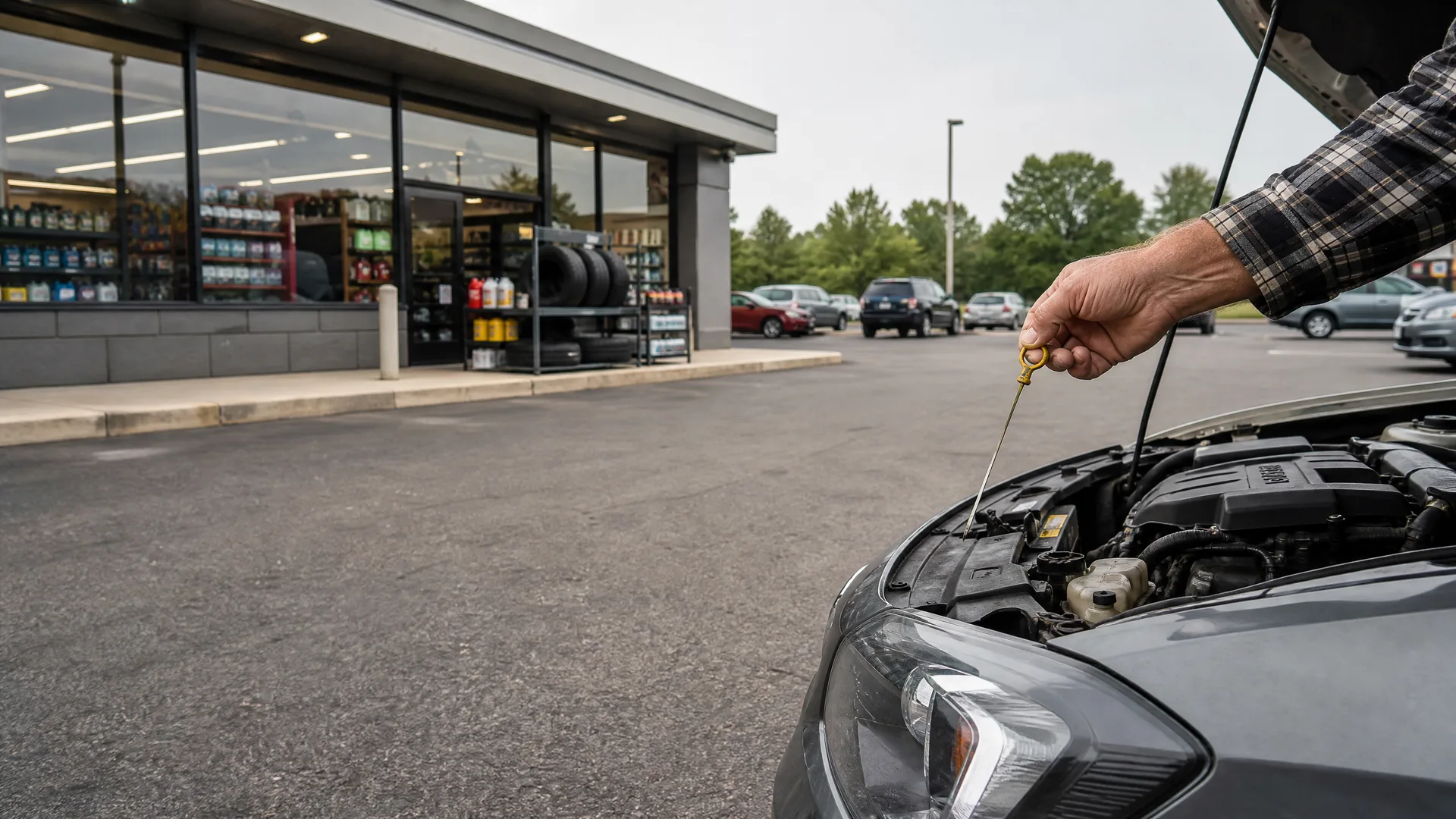
Before you go, write down a short checklist covering the engine, brakes, steering, and transmission so you don't forget to check something in the moment. Ask the seller in advance whether you can take the car on the highway, not just around the block, and ask whether a mechanic of your choosing can look at it afterward. Bring your license and someone else if you can. If the car passes the test drive, get a mechanic's inspection before you sign anything. Once you know which car you're buying, get insurance quotes lined up so you're not scrambling to arrange coverage at the last minute.