What Cars Do Seniors Buy Most
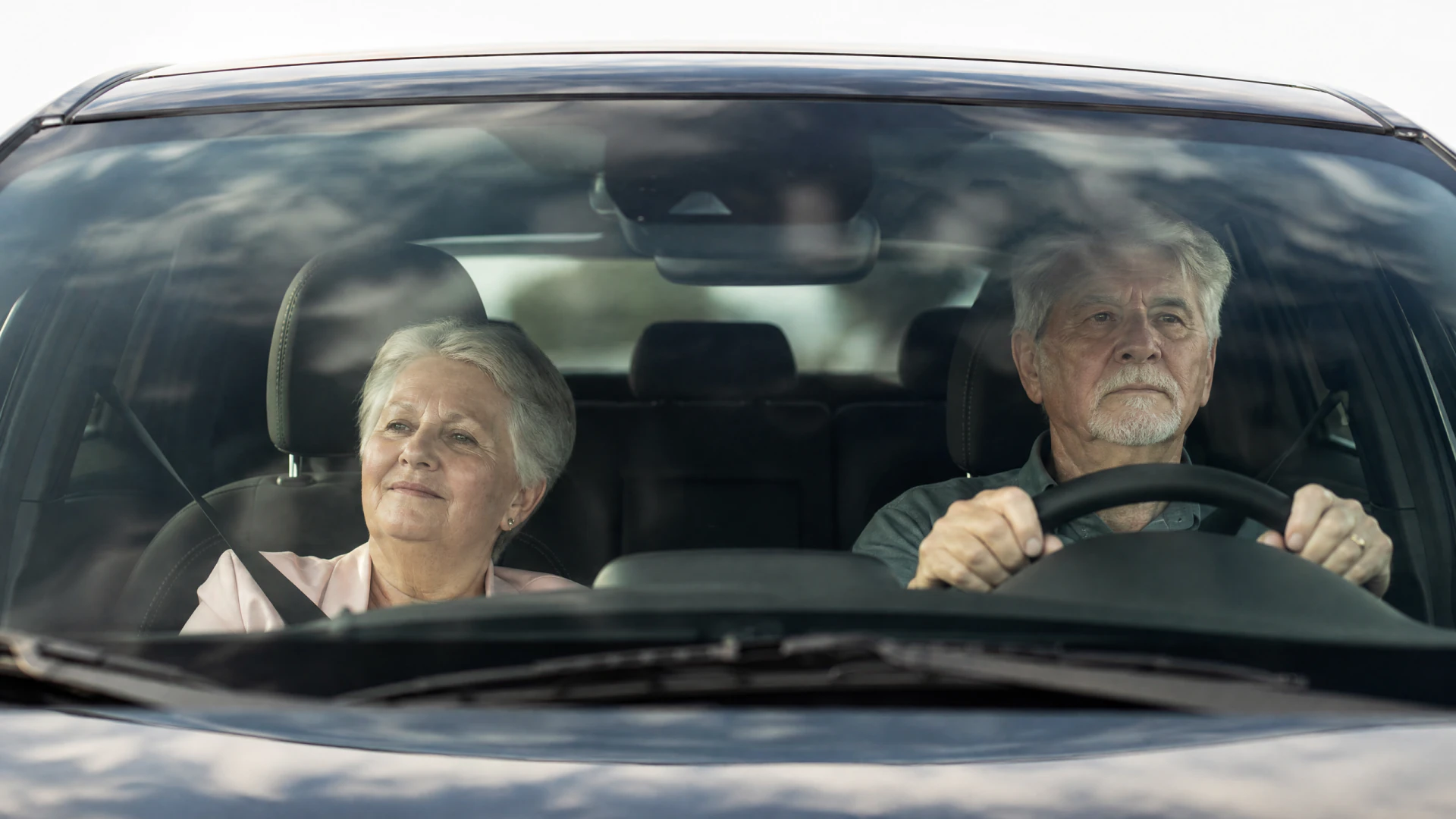
Older drivers tend to buy midsize sedans and SUVs with strong safety ratings, easy visibility, and lower repair costs, because those features matter more to an insurer than the car's age or style.
Sedans and smaller SUVs lead, for practical reasons
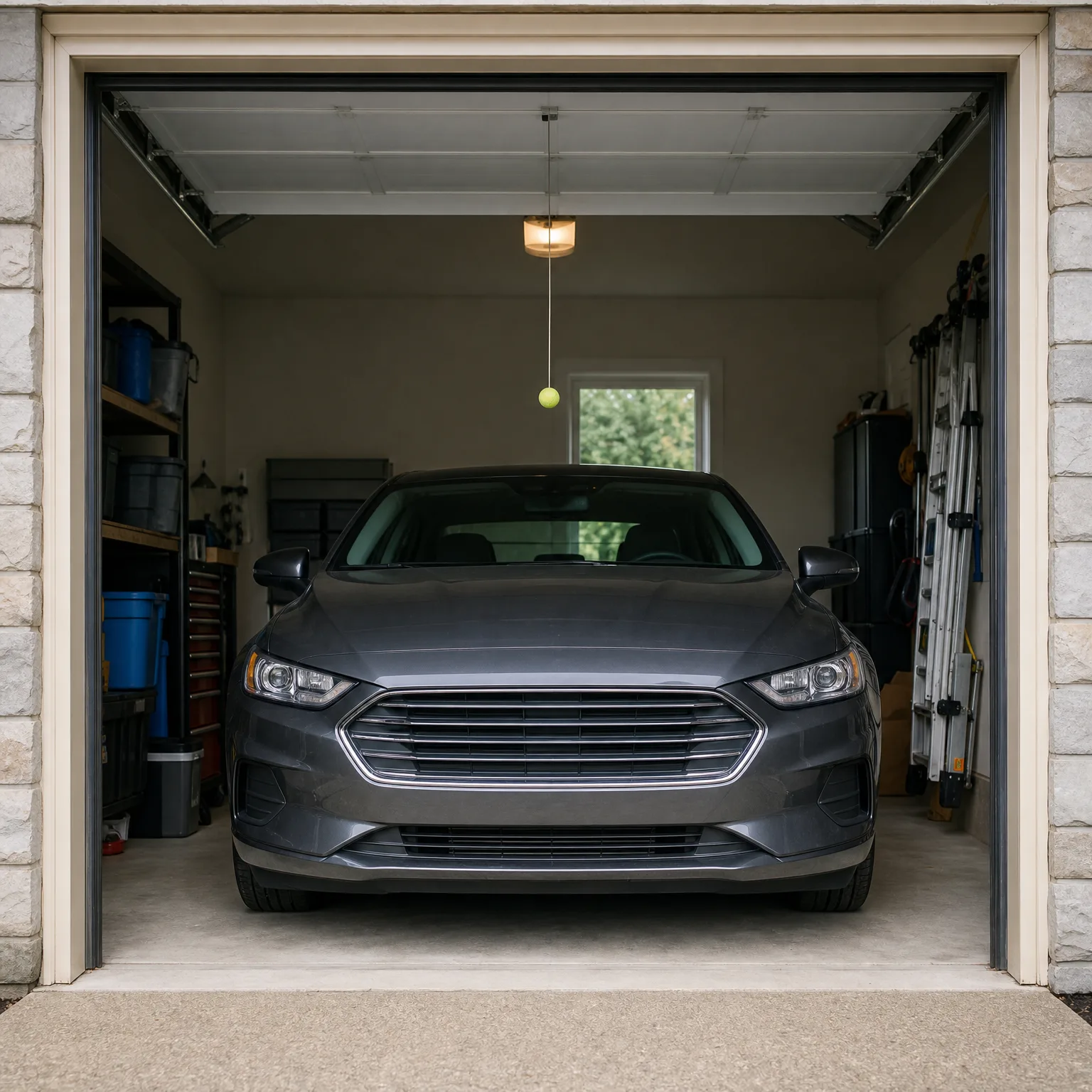
Midsize sedans and compact to midsize SUVs are the most common choices. Reliability, a comfortable ride height, good visibility, and simpler controls draw older drivers to these vehicles more than sportier or larger options.
Those same features tend to work in the driver's favor on a policy. A car with a strong safety record and a lower repair cost usually costs less to insure, regardless of who's driving it. The model matters more than the fact that the driver is older.

The car's safety record changes the premium more than the driver's age does
Insurers price a policy partly on the driver and partly on the vehicle. A car with high marks in crash testing, standard forward collision warning, or automatic emergency braking often costs less to insure because it's less likely to be in a serious claim.
This cuts both ways. A reliable sedan with modern safety features can offset some of what an insurer charges for age alone. A flashier or more expensive car to repair can erase that advantage even if the driver has a clean record.
Before buying, it's worth asking the insurer directly how a specific model is rated, since this varies by make, trim, and sometimes model year. The sticker price doesn't tell you the insurance cost.
What most people get wrong about this question
It's easy to assume insurers charge older drivers more no matter what they drive. That's not quite right. Some insurers factor in a completed defensive driving course, a clean multi-year record, or low annual mileage, all of which are common among older drivers and can bring the cost down.
Another common assumption is that a smaller, older, or cheaper car is automatically cheaper to insure. That's not guaranteed either. An older car without modern safety features can cost more to insure in some cases, because it offers less protection in a crash and insurers weigh that.
The only way to know what a specific car will cost on a specific policy is to ask the insurer. The answer depends on the driver's full record and the insurer's own rules, not just the make and model.
Questions people ask about this
Are SUVs safer than sedans for older drivers?
It depends on the specific SUV and sedan being compared, not the body style alone. Higher seating can improve visibility, but a taller vehicle can also have different handling in a sudden maneuver. Checking the safety rating of the exact model is more useful than comparing by vehicle type.
Do insurance companies charge more for older cars?
Sometimes, because older cars often lack the safety features that newer models have, and repairs can be harder to source parts for. Ask the insurer how a specific vehicle's age and features affect the quote rather than assuming either way.
Is it cheaper to insure a used car or a new car for a senior driver?
It depends on the specific vehicles being compared. A used car with outdated safety features can cost more to insure than a newer car with modern crash avoidance technology, even though the newer car has a higher price tag. Ask for a quote on both before deciding.
What car features lower insurance costs for older drivers?
Features like automatic emergency braking, lane departure warning, and anti-theft systems can lower the cost on some policies, because they reduce the chance or severity of a claim. Whether a specific insurer offers a discount for these features is worth asking directly.
Should a senior driver choose a car with fewer safety features to save money upfront?
That usually backfires on the insurance side. A car without modern safety features can cost more to insure over time, even if it was cheaper to buy. It's worth comparing the total cost, purchase price plus what the insurer quotes, before deciding.
See what a specific make and model would actually cost to insure before you decide.
Make a short list of the models being considered, along with trim level and model year. Get an insurance quote for each one before buying, not after, since the difference between two similar-looking cars can be significant. Ask whether the vehicle has forward collision warning or automatic emergency braking, since insurers often ask about these directly. If a defensive driving course discount or low-mileage discount applies, have proof of completion or an odometer reading ready when you call. Compare the quotes side by side along with the purchase price to see the real cost of each option.