Used Cars That Make Sense for Seniors on a Budget
The right used car for a senior on a budget is one that's cheap to insure, not just cheap to buy.
Look for a car that's easy to see out of and cheap to insure
A sedan or small SUV a few years old, with a good safety record and a low repair cost, usually makes the most sense. These cars tend to have lower insurance premiums than sports cars, large trucks, or luxury models, and parts and labor cost less when something needs fixing.
The other thing that matters is visibility and ease of handling. A car with a higher seating position, good mirrors, and a simpler dashboard is easier to drive safely as eyesight and reaction time change. This isn't about buying something marketed as a senior car. It's about buying something practical that happens to suit most seniors well.
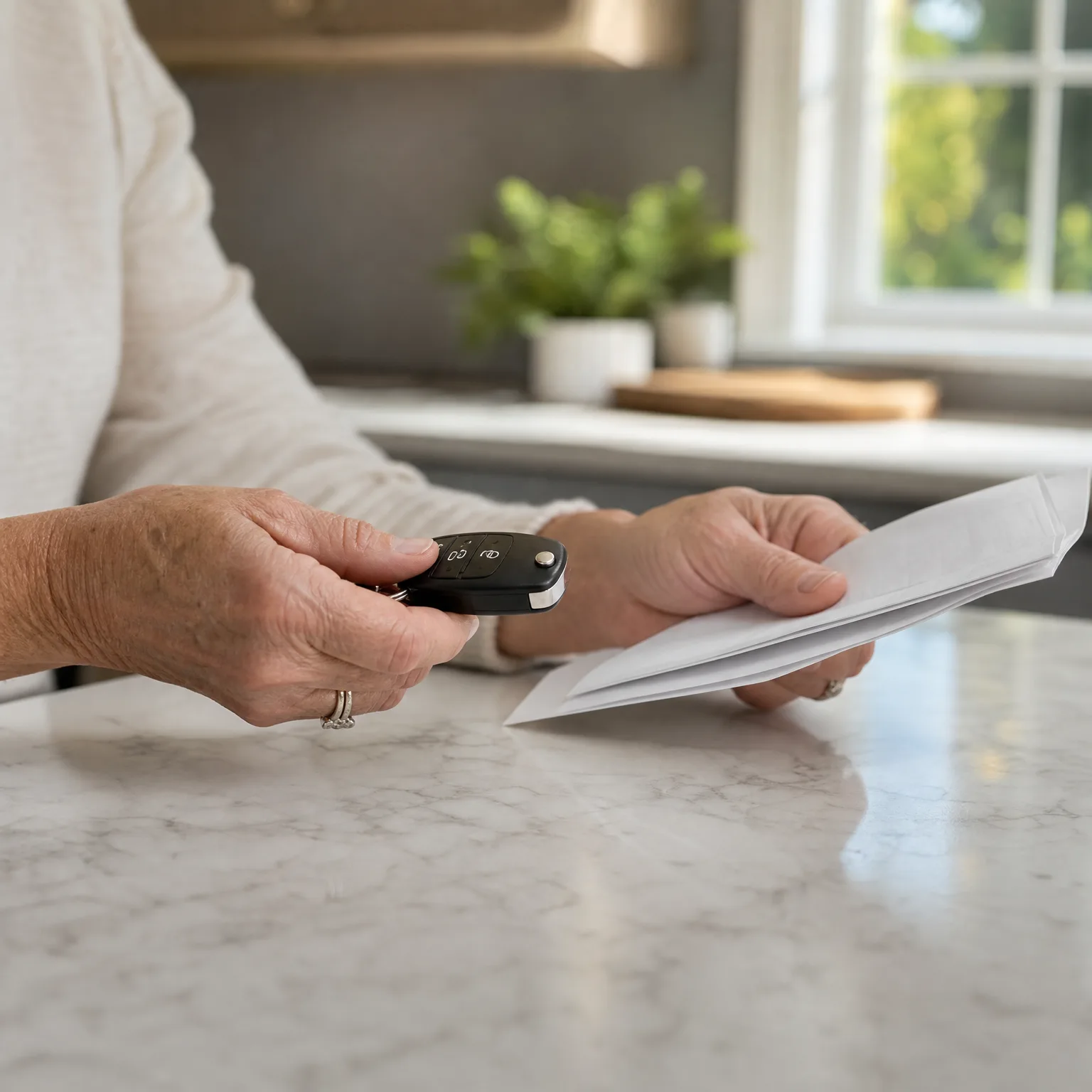
Your insurer sets the price based on the car, not just you
Two drivers with identical records can pay very different premiums depending on which car they insure. Insurers price a vehicle based on how often that model gets stolen, how expensive it is to repair, and how well it protects the driver in a crash. A car with a reputation for safety and cheap parts will usually cost less to insure than one without, even if both are the same age and price.
Before buying, ask an insurer or agent for a quote on the specific make and model you're considering. The sticker price tells you what you'll pay once. The insurance quote tells you what you'll pay every year after that.
Some cars that look like a bargain used turn out to be expensive to insure because they're popular with thieves or costly to fix after even a minor collision. A car that costs a bit more upfront but insures cheaply can end up being the better deal over several years.
If you're replacing an older car you've had for years, don't assume the new one will cost the same to insure. A change in make or model can change your premium even if nothing else about your situation has changed.
Your driving record and any discounts still matter more than the car
The car affects the price, but your own record usually affects it more. A clean driving history keeps your premium lower regardless of what you drive. If you've had a recent claim or a ticket, that will weigh on the price of insuring any car you choose.
Many insurers offer a discount for completing an approved defensive driving or mature driver course. This isn't automatic. You typically have to send the insurer the completion certificate yourself after finishing the course, so ask your insurer or agent beforehand which courses qualify and what they need from you.
If you're buying a car to replace one you've had insured for a long time, ask whether you'll lose any loyalty or long-term customer discount tied to the old policy. Some insurers carry those discounts forward, others don't, and it's worth knowing before you commit to a purchase.
Questions people ask about this
Is it cheaper to insure an older used car than a newer one?
Not always. Older cars can cost less to insure because they're worth less, but if parts are hard to find or the car lacks modern safety features, the premium can be higher than expected. Ask for a quote on the specific car rather than assuming age alone decides the price.
Do seniors get a discount just for being older?
Some insurers offer a discount tied to age or to completing a mature driver course, but this isn't universal and the rules vary by state and by insurer. Ask your insurer directly what discounts apply to you and what you need to provide to get them.
Should I drop collision coverage on an older used car?
That depends on what the car is worth and what you can afford to replace it with if it's totaled. Ask your insurer for the car's estimated value and compare that to what you'd pay in collision premiums over a year or two before deciding.
Does a smaller car cost less to insure than an SUV?
Not necessarily. Size alone doesn't set the price. Insurers look at theft rates, repair costs, and safety ratings for that specific model, so a small car with expensive parts can cost more to insure than a larger one that's cheaper to fix.
How do I find out a used car's insurance cost before I buy it?
Ask an insurer or agent for a quote using the exact year, make, and model you're considering, ideally before you sign anything. Some insurers can give you a rough figure over the phone or online once you give them the vehicle details.
Compare quotes on the specific cars you're considering before you decide which one to buy.
Make a short list of two or three used cars you're considering and write down the exact year, make, and model for each. Call your current insurer or a few others and ask for a quote on each car using your own driving record. Ask specifically about any mature driver or defensive driving course discount, and what they need from you to apply it. If you're trading in or selling an older car, ask whether any long-standing discount on that policy will carry over to the new one. Use those quotes, not just the sticker prices, to make your final decision.