Should Seniors Buy a Cheaper Car to Save on Insurance
A cheaper car can lower your premium, but what drives the savings is the car's repair cost and safety record, not the sticker price.
It depends on which car and what you're comparing it to
Trading your current car for a cheaper one can lower your premium, but not because the car costs less to buy. Insurers price a policy on what the car costs to repair or replace, how often that model gets stolen or damaged, and what it costs to treat someone hurt in it. A cheap car with expensive parts or a poor safety record can cost more to insure than a pricier car built to be repaired easily.
If you're thinking about this because a renewal notice went up, it's worth asking your insurer or agent what's actually driving the increase before you assume a different car fixes it. Sometimes the bigger factor is your coverage level, your driving record, or something about the policy itself that has nothing to do with the car.
What the car is, not what it costs
Two cars priced the same can carry very different premiums. A car with a strong safety record, cheap and common parts, and low theft rates will usually cost less to insure than one that's rare, expensive to fix, or a frequent target for theft, even if they sold for the same amount.
Before you buy anything, ask an insurer or agent for a quote on the specific make, model, and trim you're considering. The vehicle identification number tells them things a general model name doesn't, like which safety features came with that particular car.
If you're downsizing from a larger car or an SUV to something smaller, that alone can help, since smaller, lighter cars are often cheaper to insure. But it's not guaranteed. Some small cars cost more to insure than people expect, because repair parts are harder to source or the car doesn't perform as well in crash tests.
A car that's paid off also changes your options. Once you own it outright, you're no longer required to carry the coverage a lender demands, so you can decide for yourself whether to drop collision or comprehensive coverage, which matters more for an older, lower-value car than for a new one.
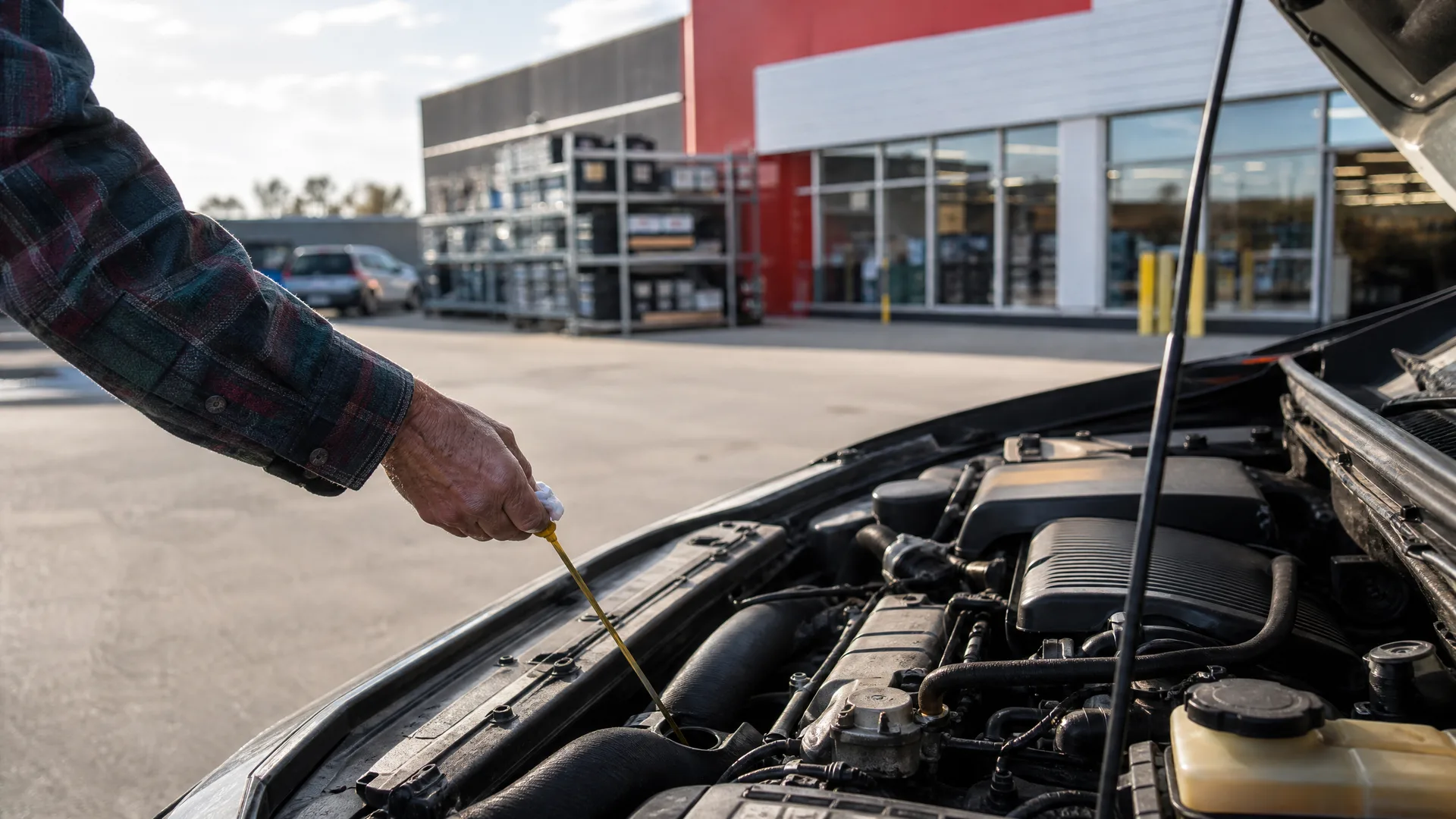
What else is in the policy
The car is one piece of what sets your premium. Your coverage limits, your deductible, and any discounts you qualify for all matter too, and sometimes matter more.
If you haven't looked at your policy in a while, check whether you're still carrying coverage that made sense for an older, more expensive car but doesn't fit the car you have now. Raising your deductible or adjusting your liability limits can lower your premium without changing what you drive at all.
Ask about discounts tied to your situation specifically. Many insurers offer a reduction for completing an approved driver safety course, and some offer one for low annual mileage, which matters if you're driving less than you used to. These aren't automatic. You usually have to ask and provide proof.
It's also worth asking whether your current insurer adjusts rates based on the car you're replacing it with, or whether you'd do better shopping that specific car with a few different companies. The same car can price differently from one insurer to the next.
Questions people ask about this
Does insurance go down automatically when you buy an older car?
No, you have to update your policy with the new vehicle information yourself. Your insurer prices the policy based on the car on file, so an older or cheaper car only lowers your premium once you've told them about it and they've reissued the policy.
Is it cheaper to drop collision coverage on an old car?
It can be, but it depends on what the car is worth and what you'd lose if it were totaled. If the car's value is low, the payout from a collision claim may be small enough that the premium you're paying for that coverage isn't worth it. Ask your insurer what the car's current value is and what you're paying for collision specifically before you decide.
Do safety features lower insurance for older drivers specifically?
Safety features can lower a premium for any driver, since they reduce the insurer's risk regardless of who's behind the wheel. Features like automatic emergency braking or blind spot warning are worth asking about if you're comparing cars, since not every model includes them even within the same price range.
Should I switch insurers when I switch cars?
It depends on how your current insurer prices the new car compared to others. Rates for the same vehicle can differ between companies, so it's worth getting quotes from a few insurers once you know which car you're buying, rather than assuming your current policy will carry the best rate forward.
Does a car's age affect insurance more than its price?
Both matter, but in different ways. An older car typically has a lower value, which affects how much a comprehensive or collision claim would pay out. A car's price when new doesn't factor in directly, but what it costs to repair now does, and that can be higher or lower than the price would suggest.
See what a car you're considering would actually cost to insure before you commit to it.
Before you buy, get a quote on the exact make, model, and trim you're considering, not just the general model name, since features and trim level change the price. Pull up your current policy and check your deductible, your liability limits, and whether you're still paying for coverage that fit your old car. Ask your insurer directly about any discount tied to a driver safety course or low mileage, and find out what paperwork they need to apply it. If you've finished a course already, send over the certificate this week rather than waiting for renewal. Once you've settled on a car, get quotes from more than one insurer, since the same vehicle can price differently depending on where you ask.