Are Small Cars Cheaper to Own
A small car usually costs less to fuel and often less to insure, but not always, and the difference depends on the specific car.
Usually, but it depends on which small car
A small car tends to cost less to own than a larger one because it uses less fuel and often carries a lower premium. Insurers price a car partly on what it costs to repair or replace, and smaller, simpler cars are frequently cheaper on both counts.
But that's not true of every small car. Some compact models carry parts and labor costs that rival a midsize sedan, and some have safety ratings that push the premium up rather than down. The honest answer is that size is one factor among several, and it doesn't override the others.
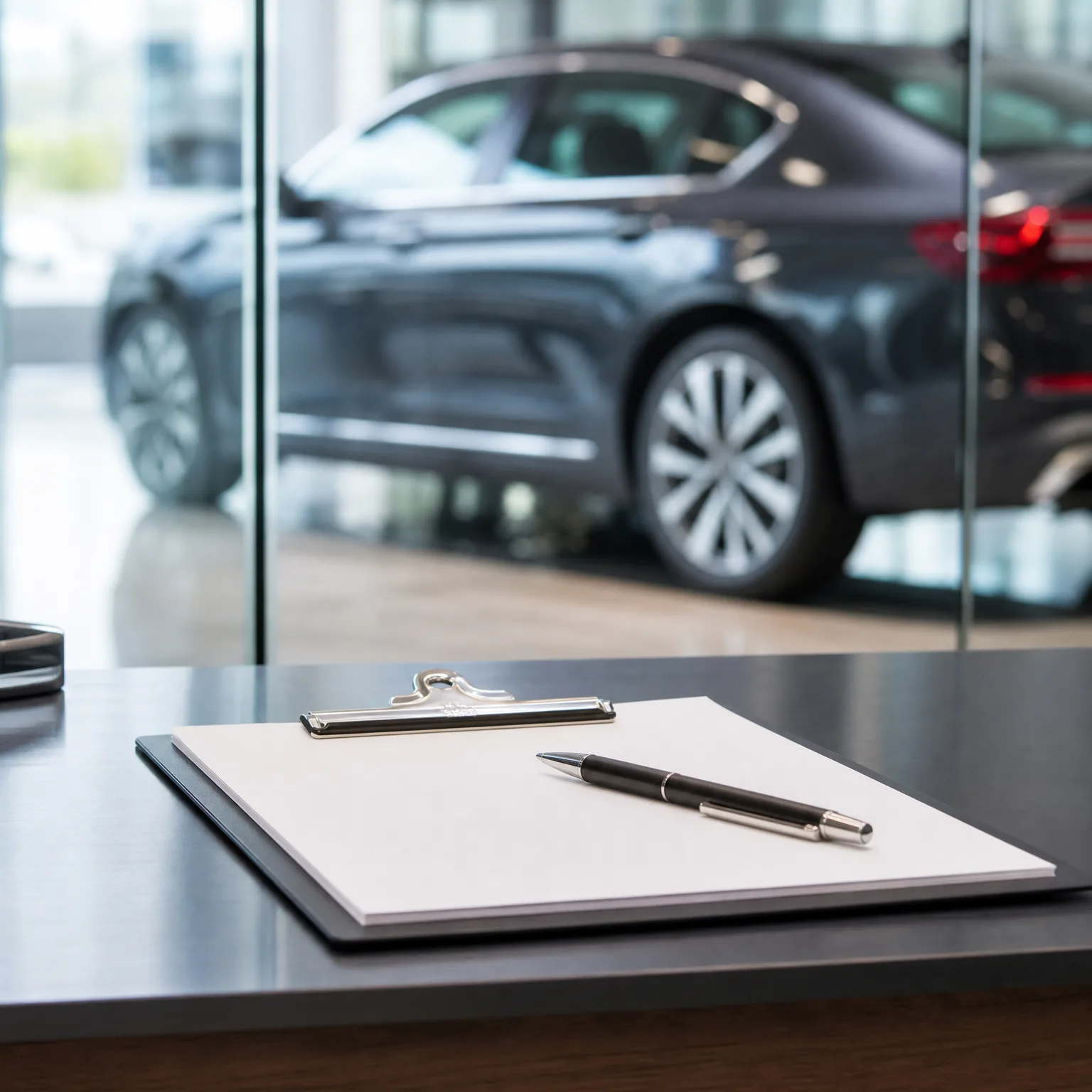
What the car is rated to do in a crash
Insurers look closely at how a car performs in crash tests and what it costs to repair after one. A small car with a strong safety rating and inexpensive parts can cost less to insure than its size would suggest. A small car with a weak rating or expensive parts can cost more than a larger car that tests better.
This is worth checking before assuming a smaller car saves money. Look up the specific model's safety rating and ask an insurer for a quote on that exact make, model, and trim, since insurers price trims differently even within the same model line.
Parts availability matters too. A small car built on a common platform with widely available parts tends to be cheaper to repair than one with a less common design, even if the car itself is inexpensive to buy.
How the car is used and insured
Ownership cost isn't only about the car. It's about how it's driven and who's driving it. A small car used for a short commute will cost less to fuel and may qualify for lower mileage-based rates than the same car driven long distances daily.
Your own driving record and the state you live in also shape the final number more than the car's size does. Two people in the same small car can pay very different premiums based on their history and where they're insured.
It's worth asking your insurer directly how they weigh the car's size against its safety record and repair costs for the specific model you're considering. That answer varies by insurer, and getting it before you buy is more useful than guessing after.
Questions people ask about this
Do small cars have higher insurance rates than SUVs?
Not necessarily. Some small cars cost less to insure than SUVs, but it depends on the specific models being compared. An SUV with a strong safety rating can cost less to insure than a small car with a poor one, so the comparison has to be model to model, not category to category.
Are electric small cars cheaper to insure than gas ones?
Not always. Electric cars, including small ones, often have higher repair and parts costs, which can raise the premium even though fuel costs are lower. Ask an insurer for a quote on the specific electric model you're considering rather than assuming it will be cheaper because it's small.
Does a small car cost less to maintain over time?
Often, but not always. Routine maintenance like tires, brakes, and oil changes tends to cost less on a smaller, lighter car. But if the model uses specialized parts or requires a dealership for service, those savings can shrink or disappear.
Will switching to a smaller car lower my current premium?
It depends on the car you're switching from and the one you're switching to. The only way to know is to ask your insurer for a quote on the specific replacement vehicle before you buy it, since the quote reflects that car's rating, not cars of that size in general.
Are used small cars cheaper to insure than new ones?
Often, since a used car is worth less to replace, which can lower the comprehensive and collision portion of a premium. But if the used car lacks safety features found on newer models, that can work against it. Check what features the specific year and trim include before assuming age alone lowers the cost.
If you're weighing a smaller car against what you drive now, see what it would actually cost to insure before you decide.
Pick the specific small car you're considering, including the trim, and get a quote on that exact vehicle rather than relying on its size as a guide. Compare that quote against one for your current car or any larger model you're weighing. While you're at it, look up the car's safety rating and ask about repair costs for common parts, since both affect the premium more than the car's size alone. If you're buying used, confirm the year and trim include the safety features you expect. Bring your driving record and current policy details to the conversation, since insurers weigh those alongside the car itself.