What Kinds of Cars Are Cheapest to Own Long Term
The lowest sticker price rarely wins. The car that costs the least over the years is the one that holds its value, breaks down the least, and is cheap to insure.
Reliability and resale value matter more than the price tag
The cheapest cars to own long term are ones with a strong reliability record, parts that are cheap and easy to find, and a resale value that doesn't collapse after a few years. A car that costs less to buy but needs constant repairs, or loses most of its value the moment you drive it off the lot, almost always costs more by the time you add it all up.
For an older driver, insurance is part of that math in a way it might not have been years ago. The same model can cost noticeably more or less to insure depending on its repair costs, how often it's stolen, and how insurers rate it for safety. A car that's cheap to maintain can still be expensive to insure, so it's worth checking both before you decide.
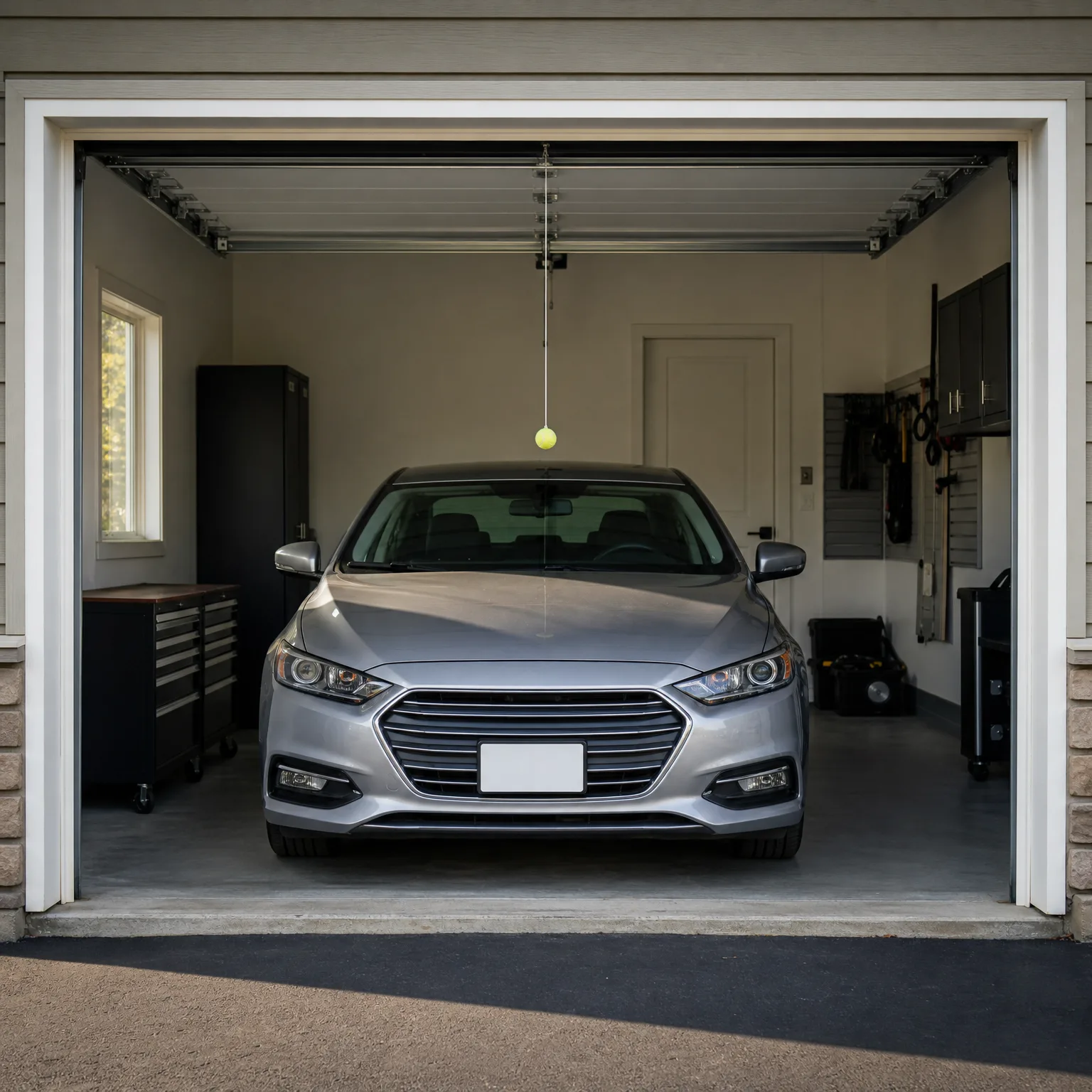
How the car is rated for insurance changes the real cost
Insurers don't price every car the same way, even within the same size or price range. They look at how expensive the car is to repair, how often it's involved in claims, and how likely it is to be stolen. Two cars that cost about the same to buy can have very different premiums because of this.
This is worth checking before you buy, not after. Ask an agent or get a quote for the specific model and trim you're considering, since even small differences, like a more powerful engine or a higher trim level, can change the rate.
Cars that are common, easy to repair, and don't attract thieves tend to cost less to insure. Luxury badges, high performance versions, and cars with expensive electronics or sensors usually cost more, even if the base model is affordable.
If you're deciding between a few models, ask for quotes on each one before you commit. The difference in premium over several years can be larger than the difference in purchase price.
What people get wrong about 'cheap to own'
A low purchase price or a small loan payment isn't the same as low ownership cost. Some of the cars that look cheapest to buy end up costing the most once you count fuel, repairs, and how little they're worth at trade-in time.
Another mistake is assuming a car marketed as reliable will also be cheap to insure. Reliability and insurance cost are related but not the same thing. A dependable car with an expensive repair bill for even minor damage, like one with a lot of sensors or specialty parts, can still carry a high premium.
It also helps to think about how long you plan to keep the car. A car that's cheap for the first few years but has a reputation for expensive repairs once it ages past the warranty period can flip from a good deal to a costly one. Looking at reliability data over the car's full lifespan, not just the early years, gives a truer picture.
Finally, some drivers overlook maintenance costs tied to the car's complexity. Hybrids, electric vehicles, and cars with turbocharged engines can be cheap to fuel but more expensive to service when something does go wrong, since fewer shops can work on them and parts can take longer to source.
Questions people ask about this
Are older cars cheaper to insure than new ones?
Usually, but not always. Older cars are often worth less, so the cost to replace them is lower, which can lower comprehensive and collision coverage. But if an older car lacks modern safety features, or is a model that's frequently stolen, it can still carry a higher premium than a newer, safer car.
Does a paid off car cost less to insure?
It can, because once a car is paid off you're no longer required to carry full coverage if your lender required it. Carrying only liability coverage on an older car can lower your premium significantly, though you take on the risk of paying for repairs or replacement yourself.
Is it cheaper to keep an old car running or buy something newer?
It depends on the car's condition and repair history. If repairs are becoming frequent or expensive, a newer car with lower maintenance needs can even out over time. Check your car's repair costs over the last couple of years against what a newer model would cost to insure and maintain before deciding.
Do safety features lower my insurance cost?
Many insurers offer lower rates for cars with certain safety features, like automatic emergency braking or anti-theft systems, because they can reduce the chance or cost of a claim. Which features qualify, and by how much, is set by each insurer, so ask directly about the car you're considering.
Why do two similar cars have different insurance costs?
Even similar looking cars can differ in repair cost, theft rate, or safety ratings, and insurers price based on all three. A higher trim level with more electronics, or an engine with a reputation for expensive repairs, can raise the premium even if the car looks nearly identical to a cheaper version.
Compare quotes on the models you're considering before you decide which one to buy.
Make a short list of the cars you're considering and get an insurance quote for each specific model and trim, not just the make. Ask your current insurer or an independent agent how each one is rated for repair cost and theft, since that affects the premium more than the sticker price does. If you're deciding between keeping an older car or buying something newer, pull together your repair bills from the past couple of years and compare that total to what a newer car would cost to insure and maintain. Check whether any safety features on the cars you're considering qualify for a discount. Once you've narrowed it down, get a few quotes side by side before you sign anything.