How the Car You Drive Changes What Seniors Pay
The car you drive changes your rate as much as your age does, because insurers price the vehicle and the driver together, not separately.
Yes, the car matters as much as the driver
Insurers price a policy around two things: who is driving and what they are driving. For a senior driver, the vehicle can move the premium up or down by a wide margin, sometimes more than age does on its own. A car with a high repair cost, an expensive windshield, or a history of theft costs more to insure no matter who is behind the wheel.
This holds for any driver, but it matters more for seniors because many are driving a car they bought years ago, or one bought new specifically for safety features. Either way, the car's value, safety record, and repair cost are doing a lot of the work in setting the premium, separate from anything about the driver's age or record.
What the car itself costs to insure
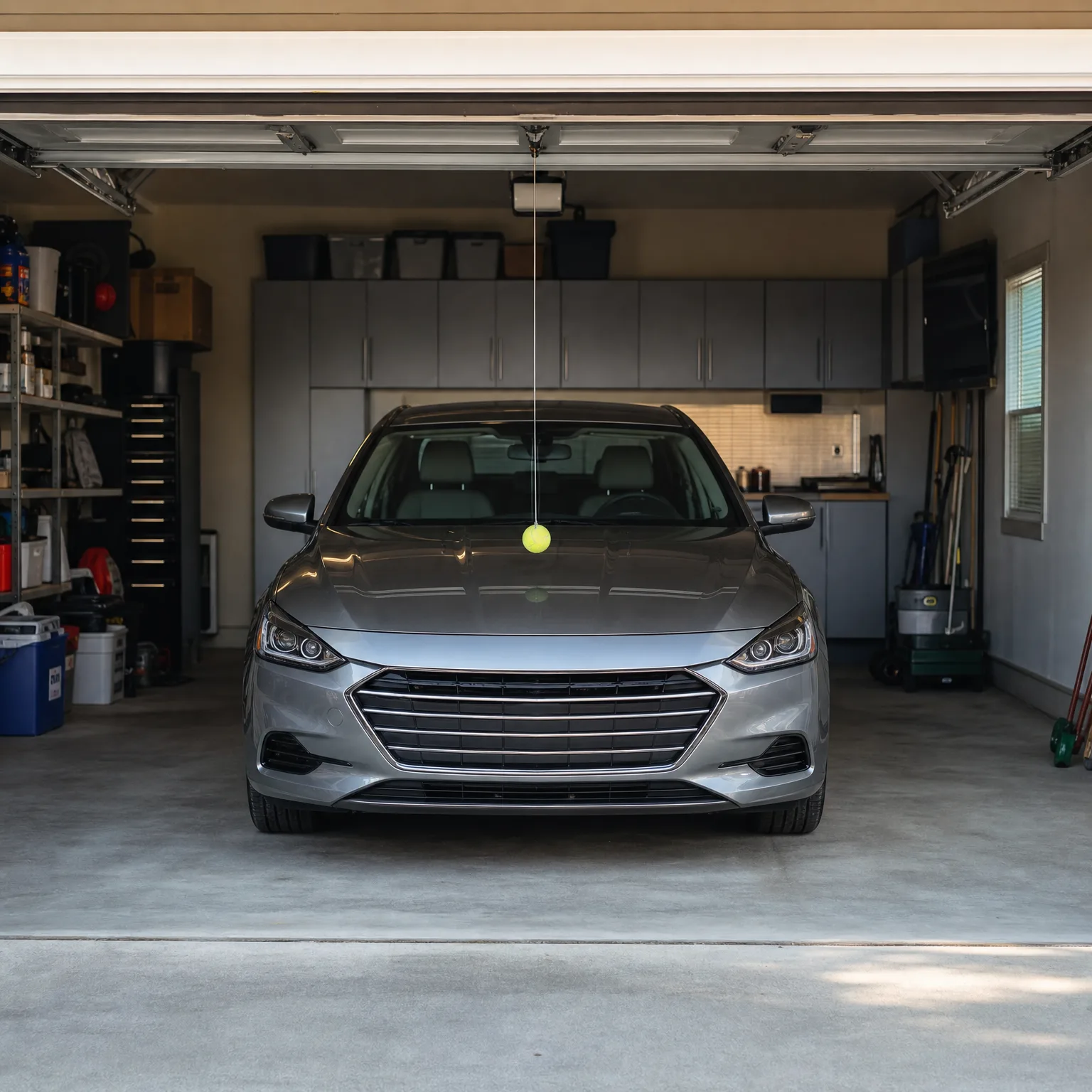
Every vehicle has its own cost to insure before a single driver is factored in. Insurers look at how often that model is stolen, how expensive the parts are, how it performs in crash tests, and how much it costs to repair after a collision. A luxury sedan or a performance car costs more to insure than a modest sedan or small SUV, even with the same driver and the same record.
This is why switching cars, not switching drivers, sometimes changes the premium the most. A driver who trades a larger, newer vehicle for something smaller and older can see the premium drop for that reason alone.
Safety features matter too, but not all of them equally. Automatic emergency braking and blind spot warning can lower a premium because they reduce the chance of a claim. Some insurers also give credit for features aimed at older drivers, like larger displays or lane-keeping assistance. Ask the insurer directly which features on your specific car qualify, since this varies by company.
The car's age cuts both ways. An older car is cheaper to insure for collision and comprehensive coverage because it's worth less, but it may lack the safety features that earn a discount. A newer car costs more to insure outright but may earn back some of that cost through safety credits.
What people get wrong about coverage choices
Many seniors drive a paid-off car and carry full coverage out of habit, even when the car is worth little. Collision and comprehensive coverage cost money every year, and the payout if the car is totaled is capped at its current value, not what was paid for it. If a car is worth little, it may make sense to drop that coverage and keep only liability, which is required.
A second mistake is assuming the only way to lower the premium is to drive less or drive more carefully. The car itself is also a lever. Comparing what the same insurer would charge for a different, less expensive vehicle shows how much of the premium is coming from the car rather than the driver.
Finally, it's worth asking the insurer directly how a planned purchase would be rated before buying. Two cars that look similar on the lot can carry very different insurance costs, and that's not something a buyer can judge by looking at the sticker price alone.
Questions people ask about this
Does a bigger SUV cost more to insure than a sedan for seniors?
It depends on the specific SUV and sedan, not size alone. Repair costs, safety ratings, and theft rates vary widely within both categories. Ask for a quote on the exact model and trim before assuming a larger vehicle costs more.
Is it cheaper to insure an older car with no safety features?
Often the comprehensive and collision portion is cheaper because the car is worth less, but liability coverage is priced mostly on the driver, not the car's age. Check with the insurer how much of your current premium is tied to the car's value versus other factors.
Should I drop collision coverage on a car I own outright?
That depends on the car's current value and what you could afford to replace it with out of pocket. Ask the insurer what the car's insured value is now, then weigh that against what you're paying each year for that coverage.
Do safety features like backup cameras actually lower the premium?
Some do, but not every feature earns a discount with every insurer. Ask the insurer directly which features on your car qualify, since this is not standard across companies.
Does changing cars affect a senior discount I already have?
A senior discount tied to your driving record or a course certificate usually stays with you regardless of the car, but confirm with your insurer since discount rules vary by company and by state.
See how your specific car and coverage compare before you decide what to keep.

Before your next renewal, find your car's current insured value by asking your insurer directly, not by guessing from the purchase price. Make a list of any safety features on the car and ask which ones qualify for a discount. If you're considering a different car, ask for a quote on that exact model before buying it, not after. If your current car is older and worth little, ask specifically what dropping collision and comprehensive would save, and decide from there whether liability alone makes sense for you.