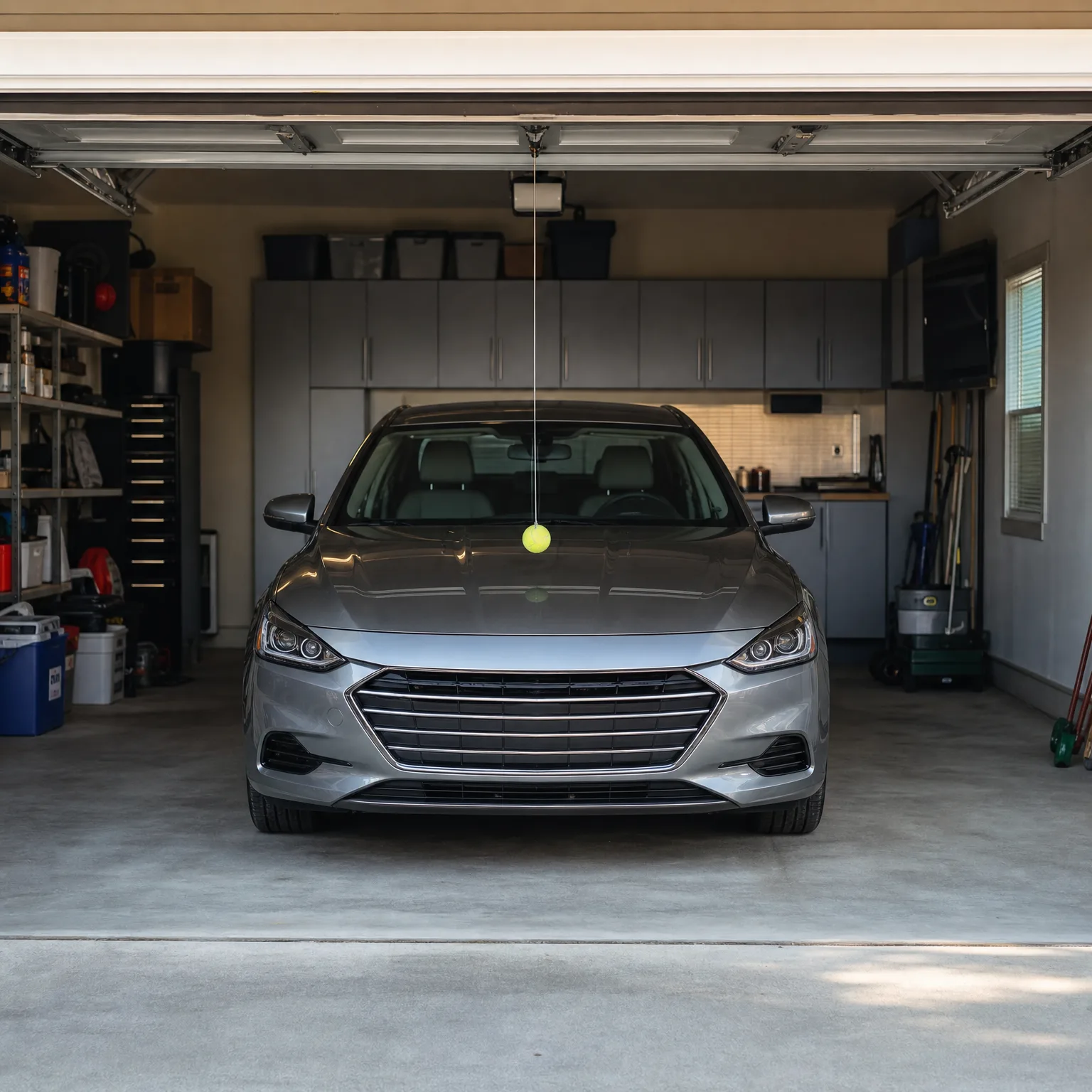
Is an SUV Cheaper to Insure Than a Sedan for Seniors
The body style matters less than the specific model, your driving record, and how the car is used.
It depends on the vehicle, not the body style
There's no rule that SUVs cost less, or more, to insure than sedans for an older driver. Insurers price the specific make and model, not the category. A compact SUV and a comparable sedan from the same automaker often land close together.
What moves the number is the vehicle's repair cost, its safety record, how often that model is stolen, and how expensive it is to replace. A loaded SUV with advanced tech can cost more to insure than a basic sedan. A small SUV built on a shared, cheap-to-repair platform can cost less than a sedan with a complicated body or costly parts.

The specific model drives the premium
Two vehicles that look similar on paper, an SUV and a sedan from the same year and the same brand, can carry different premiums because insurers rate each model separately. They look at claims history for that exact model, how often it's involved in accidents, how severe those accidents tend to be, and how much it costs to fix or replace.
A sedan with a strong safety record and cheap parts can beat an SUV with a poor claims history on the same policy. The reverse is also true. If you're comparing two vehicles you're considering buying, ask for a quote on each specific trim and year rather than assuming the body style tells you anything.
Height and visibility don't factor into the price the way people expect. Insurers care about repair costs and claims data, not how far off the ground you sit.
If you already own the vehicle, your insurer can tell you what's driving your specific premium. Ask them directly rather than guessing from the body style.

Your age and driving record carry more weight than the car
For a driver who has held a license for decades, the vehicle is usually a smaller piece of the premium than the driver's own record. A clean record, a vision test passed on schedule, and a history without recent claims matter more than whether the car is an SUV or a sedan.
Some insurers offer a discount for completing an approved defensive driving course, and many states set rules about license renewal that change with age, like more frequent testing or shorter renewal periods. Those rules are set by the state, so check with your state's DMV or licensing agency to see what applies to you.
How the car is used also matters. A retired driver who uses the car for short local trips often qualifies for lower mileage, which can lower the premium regardless of body style. If your driving has changed since you last reviewed your policy, tell your insurer. It's one of the few things in your control that can move the number.
Questions people ask about this
Does a bigger car always cost more to insure?
Not always. Size alone doesn't set the price. A large sedan can cost more to insure than a midsize SUV if the sedan is more expensive to repair or has a higher theft rate. Ask for a quote on the specific vehicle rather than judging by its size.
Do SUVs cost more because of higher accident risk?
It depends on the model, not the category. Some SUVs have strong safety records and lower claims costs. Others don't. Insurers rate based on that specific vehicle's claims history, not a general assumption about SUVs versus sedans.
Will switching from a sedan to an SUV change my premium much?
It can, but the direction isn't predictable without a quote. The best way to know is to get a quote on the exact SUV you're considering and compare it to your current sedan's premium side by side.
Does an older car cost less to insure than a newer one?
Usually, because older cars are worth less and cost less to replace, which lowers the comprehensive and collision portions of the premium. But an older car that's expensive to find parts for can cost more to repair, which works the other way.
Can I get a discount for driving less after retiring?
Many insurers offer a lower-mileage discount, but the details vary by company. Ask your insurer what they need to verify your annual mileage and whether your current driving pattern qualifies.
If you're weighing an SUV against a sedan, compare quotes on the actual vehicles you're considering.
Before you decide between an SUV and a sedan, get a quote on the specific year, make, and model of each one you're considering rather than comparing body styles in general. Have your driving record and current mileage on hand, since both affect the quote. Ask your current insurer what's driving your existing premium so you know what to compare against. If you've taken a defensive driving course recently, ask whether it qualifies for a discount and what they need from you to apply it. Check with your state's licensing agency about any renewal requirements tied to your age, since those are separate from your insurance premium but worth knowing. Then compare quotes for both vehicles before you commit to either one.