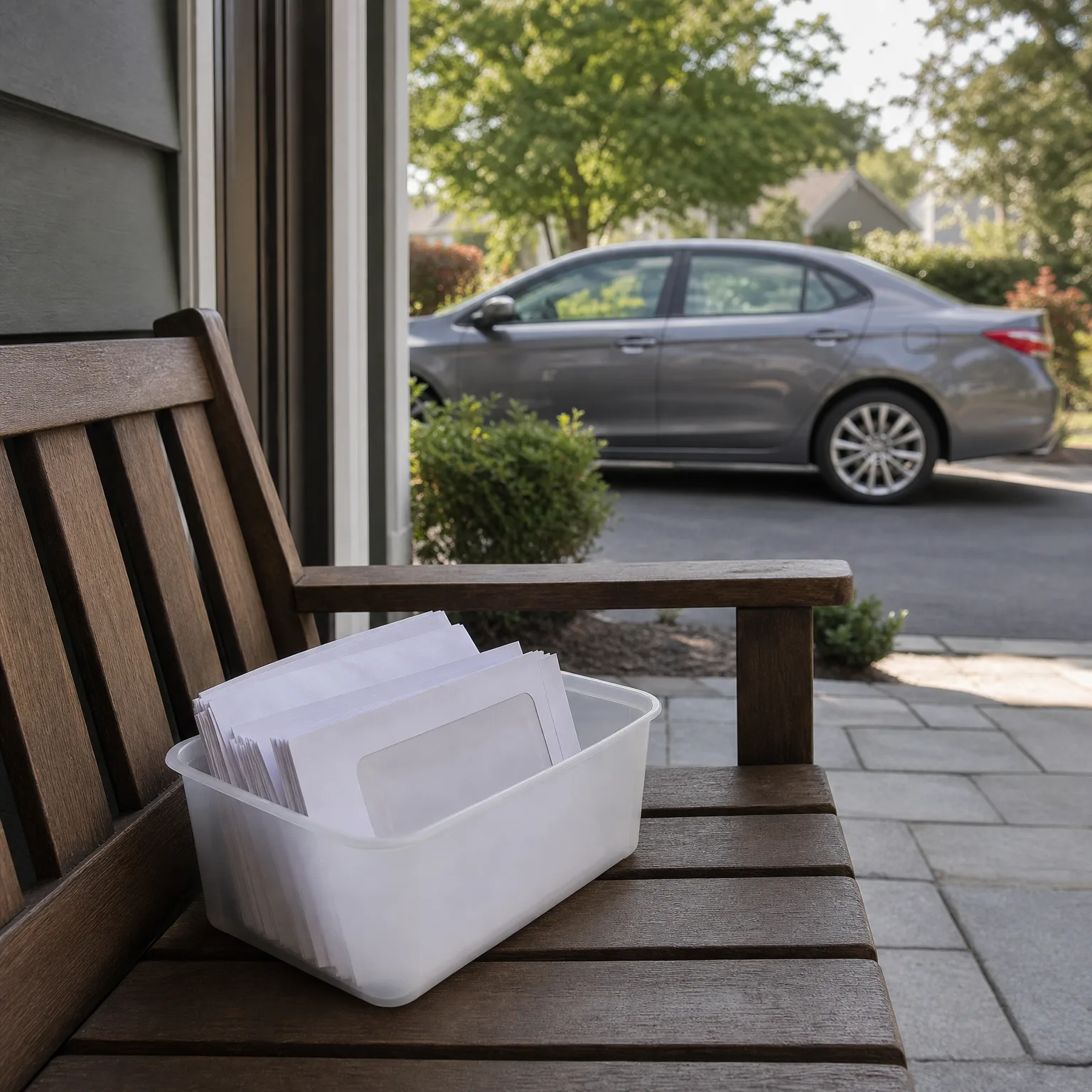
Why Do You Pay More for Insurance if You Drive a Lot
Insurers price risk by exposure, and the more time you spend on the road, the more chances there are for a claim.
More miles means more exposure to risk
Insurers set your rate based on how likely you are to file a claim, and time behind the wheel is one of the clearest signals they have. A driver who covers more miles each year simply spends more hours in traffic, more time near other cars, and more chances to be in a crash that isn't even their fault.
This holds whether the extra miles come from a long commute, a job that involves driving, or just a lot of errands and road trips. Insurers ask about annual mileage on almost every application because it correlates with claims, even when a driver has a clean record otherwise.
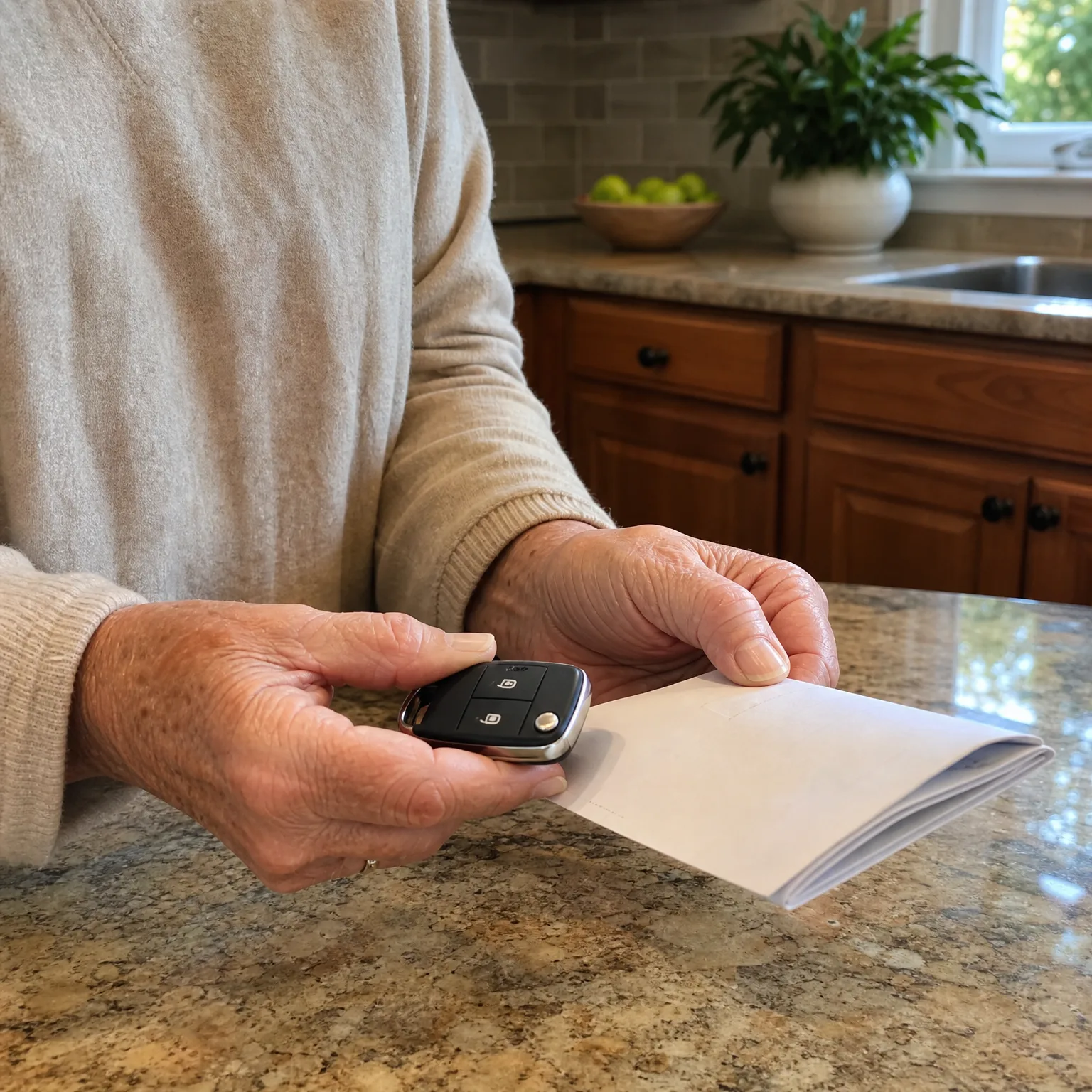
How you drive those miles matters as much as how many
Two drivers with the same annual mileage can still get different rates. An insurer looks at where those miles happen, not just how many there are. Someone who drives mostly on a highway during daylight is a different risk than someone who drives the same distance through city traffic or at night.
If your mileage is high because of a daily commute, ask your insurer whether they have a separate rate for commute driving versus pleasure driving. Some do, and the distinction can matter.
If your driving has dropped, because you retired, moved closer to things you used to drive to, or simply go out less, that's worth reporting. Insurers usually ask for an estimate of annual mileage, and if yours has fallen, your policy should reflect that. Don't assume they'll catch the change themselves.
Check your policy for how it defines your mileage category. If it still lists you as a daily commuter after your routine has changed, that's a reason to call and correct it.

What people get wrong about mileage and age
It's easy to assume that getting older automatically lowers your rate because you're driving less. That's not guaranteed. Insurers look at your actual reported mileage, not an assumption based on your age. If you don't update them, they'll keep pricing you on the old number.
The other mistake is assuming low mileage erases every other factor. Mileage is one piece of the pricing picture. Your record, your location, your vehicle, and your insurer's own rules about older drivers all factor in too. A low-mileage driver with a recent claim can still pay more than a high-mileage driver with a clean history.
Some insurers offer usage-based programs that track actual mileage and driving habits through an app or a device. If your driving has genuinely dropped, this kind of program can reflect that more accurately than a yearly estimate. It's worth asking your insurer if they offer one and how it works.
Questions people ask about this
Does low mileage always mean a lower insurance rate?
Not by itself. Mileage is one factor among several, and your insurer weighs it against your driving record, your vehicle, and where you live. Ask your insurer directly how much weight they give to mileage in their pricing.
How do I report lower mileage to my insurer?
Call your insurer or agent and give them an updated estimate of your annual mileage. Some ask for an odometer reading at renewal, others simply take your estimate. Check what your insurer requires so the number on file is accurate.
Will a usage-based insurance program lower my rate?
It depends on your actual driving, since these programs track real mileage and sometimes driving habits like braking and time of day. If you drive less and drive carefully, it can help. Ask your insurer what the program measures and whether it can also raise your rate.
Does retiring change my car insurance rate?
It can, but only if you tell your insurer your driving has changed. Retiring often means less commuting, but insurers price based on what you report, not on your employment status. Update your mileage estimate once your routine settles.
Should I drop collision coverage if I drive very little?
That depends on your car's value and what you could afford to repair or replace out of pocket, not just on how little you drive. Ask your insurer or agent to walk through the numbers for your specific vehicle before deciding.
See how a few insurers price your actual driving, not just an estimate.
Pull your current policy and check what annual mileage figure your insurer has on file. If your driving has changed, whether it dropped after retirement or increased with a new commute, call your insurer this week and give them an updated number. Ask directly whether they offer a usage-based program and how it affects pricing. While you're at it, ask how they define commute versus pleasure driving, since that distinction can change your rate independent of mileage. If the answers don't add up, comparing quotes from a few insurers will show you whether your current one is pricing your actual driving fairly.