What Is a Red Flag When Buying a Car
A red flag is anything about the car's history or the sale itself that should make you stop and check further before you sign.
The biggest red flags are hidden damage, a title problem, and pressure to decide fast
The main red flags are a history of flood or frame damage, a salvage or rebuilt title, mismatched odometer readings, and a seller who won't let you get the car inspected before you buy. Any one of these means the car could cost you more later than it seems to save you now, either in repairs or in what it costs to insure.
Some of these matter more to your insurer than others. A salvage or rebuilt title can affect what coverage is even available to you, since some insurers won't write full coverage on a car with that history. A clean title with a disclosed accident is a different situation, one most insurers can work with.

The car's title and history decide what you can insure it for
Before you buy, get the vehicle identification number and run a history report. It will show you whether the title is clean, salvage, rebuilt, or flood damaged, and whether the odometer reading matches what the seller told you.
A salvage or rebuilt title isn't always a dealbreaker, but it changes your options. Some insurers will only offer liability coverage on a car with that history, not full coverage. If you're planning to finance the car, your lender will likely require full coverage, so check with an insurer before you commit to buying.
A clean title with no reported accidents is the easiest case for insurance. But a clean title doesn't mean no damage ever happened. It can mean the damage was never reported, which is why the inspection matters as much as the report.
If the seller won't give you the VIN before you make an offer, that itself is a red flag. There's no good reason to withhold it from a serious buyer.
How the seller behaves tells you as much as the car does
A seller who pushes you to decide on the spot, who won't let an independent mechanic inspect the car first, or who only wants to meet in a parking lot rather than show you paperwork at their home or a dealership, is showing you how they'll handle problems after the sale too.
Ask for maintenance records. A seller who can't produce any, even informal ones, may not have kept the car up, or may not have owned it long enough to know its history well.
Watch for a price that's noticeably below similar listings. It can mean the seller knows something about the car that the asking price is covering for, including problems that didn't make it into the history report.
If you're buying from a private seller, get everything in writing, including the odometer reading and the condition of the car as described to you. If a dispute comes up later, what was said matters less than what was signed.
Questions people ask about this
Can I get insurance on a car with a rebuilt title?
Some insurers will, but often only for liability coverage, not full coverage. Ask the insurer directly before you buy, since this varies by company and sometimes by state.
Does a car's accident history affect my insurance rate?
It can affect what coverage is available more than what you pay, particularly for full coverage on a car with major reported damage. Ask your insurer how they handle the car's specific history before you buy.
Should I get a car inspected before buying from a private seller?
Yes, by a mechanic you choose, not one the seller recommends. An independent inspection can catch problems a history report won't show, like wear that hasn't caused a reported issue yet.
What does a salvage title mean exactly?
It means an insurer declared the car a total loss at some point, usually after an accident, flood, or theft, and it was later repaired and re-registered. The rules for what qualifies and how it's labeled are set by the state, so check with your state's motor vehicle agency for specifics.
Is a car history report enough or do I need more?
A history report tells you what's been reported, not everything that's happened to the car. Pair it with an independent inspection and a look at maintenance records if the seller has them.
Before you finalize the purchase, see what it would cost to insure the car you're considering.
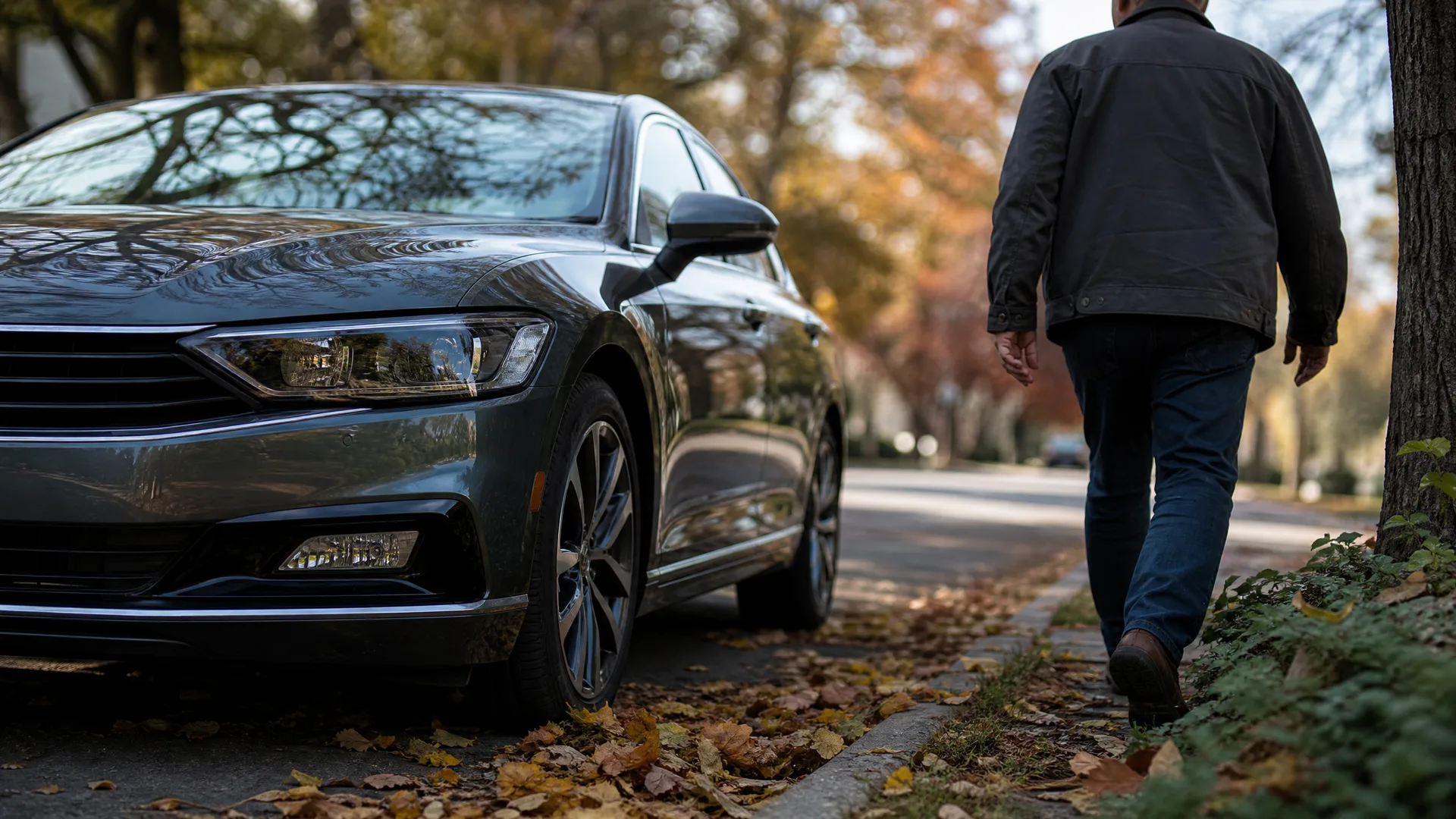
Get the VIN before you make an offer and run a history report on it. Have an independent mechanic inspect the car, especially if the seller resists the idea. Ask the seller for maintenance records and get the odometer reading and condition in writing. If the title is salvage or rebuilt, call an insurer this week to ask what coverage they'd actually offer on that car, since it may affect whether you can finance it at all. Don't sign anything until you've heard back.