Should Seniors Buy From a Dealer or a Private Seller
Neither one is right for every buyer, but a dealer usually makes more sense if you want financing, a trade-in, or a warranty handled in one place.
A dealer is simpler, a private seller can save money
A dealer handles the title transfer, financing, and often a warranty, all in one visit. That matters if you want fewer things to track down afterward. A private seller usually means a lower price, but you handle the paperwork, the inspection, and the negotiation yourself.
The right choice depends on how much you want to manage and whether you're trading in your current car. If you want a straightforward transaction with some protection built in, a dealer fits better. If you know the car, know its history, and are comfortable doing the DMV paperwork, a private sale can work out just as well and cost less.
Whether you're trading in a car changes the math
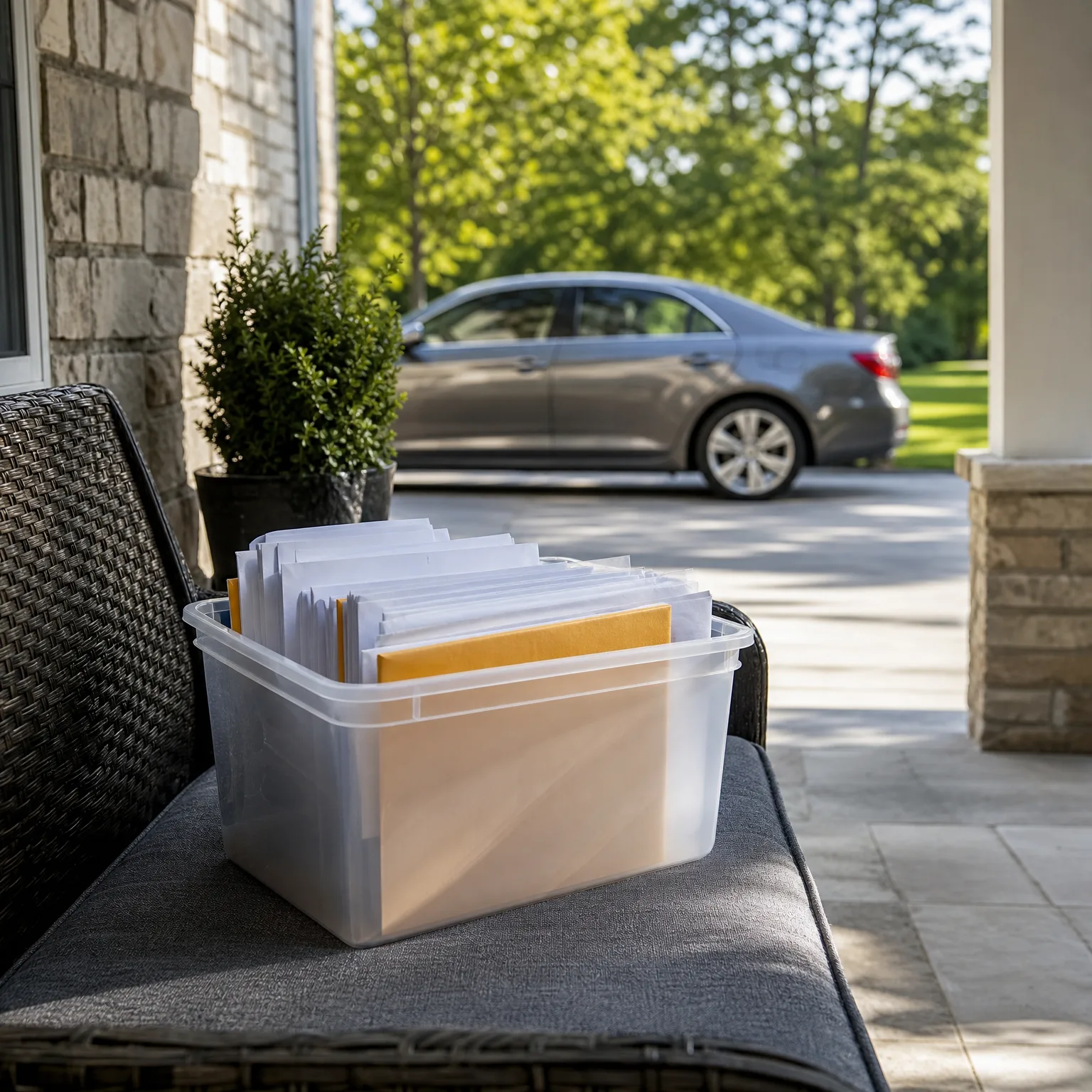
If you plan to trade in your current vehicle, a dealer can apply that value directly to the new purchase. A private seller has no way to do this, so you'd need to sell your old car separately first, which means two transactions instead of one.
Selling privately usually gets more money for your old car than a trade-in does, but it takes longer and means advertising it, meeting strangers, and handling the paperwork yourself. If your schedule or patience doesn't allow for that, the dealer route removes a step.
Also worth checking: some states calculate sales tax differently on a trade-in versus a private sale. Ask your state's motor vehicle agency how the tax is figured either way before you decide.
If you're financing the new car, dealers typically have relationships with multiple lenders and can shop your loan for you. A private seller can't do this at all, so you'd need to arrange financing on your own beforehand.
What you can verify about the car's history matters more than who sells it
A dealer selling a used car has usually run a history report and may offer some form of inspection or short warranty. That gives you something to fall back on if a problem shows up soon after the sale. A private seller may be selling a car they've owned for years and know well, or one they just bought to flip, and you often can't tell which from a listing alone.
Before buying from a private seller, ask to see maintenance records and get the vehicle inspected by a mechanic you choose, not one the seller recommends. This costs a bit of time but tells you far more than the seller's word does.
Either way, run the vehicle identification number through a history report yourself before you commit. This matters more for a private sale, where there's no dealership standing behind the car, but it's worth doing regardless of where you buy.
One more thing to weigh: insuring a car bought from a private seller works the same as insuring one from a dealer. Your insurer cares about the car's make, model, and condition, not who sold it to you. So this choice affects your wallet and your peace of mind about the car itself, but it won't change your insurance options.
Questions people ask about this
Does buying from a private seller affect my car insurance rate?
No, your insurer looks at the car itself, not where you bought it. What matters is the make, model, year, and how you'll use the car. Get a quote before you buy so you know the cost either way.
Can I get a warranty on a car from a private seller?
Not from the seller directly, but you can usually buy a third-party extended warranty or service contract after the purchase. Compare what it covers and costs against what a dealer's warranty would have included, since they're not always equivalent.
Is it harder to return a car bought from a private seller?
Private sales are typically final with no return period, while some dealers offer a short window or exchange policy. Ask any dealer directly what their return policy is before you sign, since it varies by dealership and isn't guaranteed by law in most states.
Should I get the car inspected before buying from a dealer too?
Yes, even a dealer's inspection serves their interests first. Having your own mechanic look at the car, or at least reading the dealer's inspection report carefully, protects you regardless of where you're buying.
What paperwork do I need to handle myself in a private sale?
You'll typically handle the title transfer, bill of sale, and registration yourself, since there's no dealership staff to do it for you. Check with your state's motor vehicle agency for the exact forms required, as this varies by state.
See what insuring the car you're considering would actually cost before you decide how to buy it.
Decide first whether you're trading in your current car, since that changes whether a dealer or private sale makes more sense financially. If you're leaning toward a private seller, get the vehicle identification number and run a history report before you meet the seller in person. Ask your state's motor vehicle agency what paperwork and taxes apply to a private sale versus a dealer purchase, since the process differs by state. If a dealer is in the running, ask directly what their inspection covers and whether any warranty is included. Either way, get an insurance quote on the specific car before you commit, so the price you're comparing is the full cost, not just what you pay the seller.