Does Where You Live in a State Change Your Rate
Your rate is set where you register the car, and that place carries its own accident, theft, and repair costs into your premium.
Yes, location changes your rate
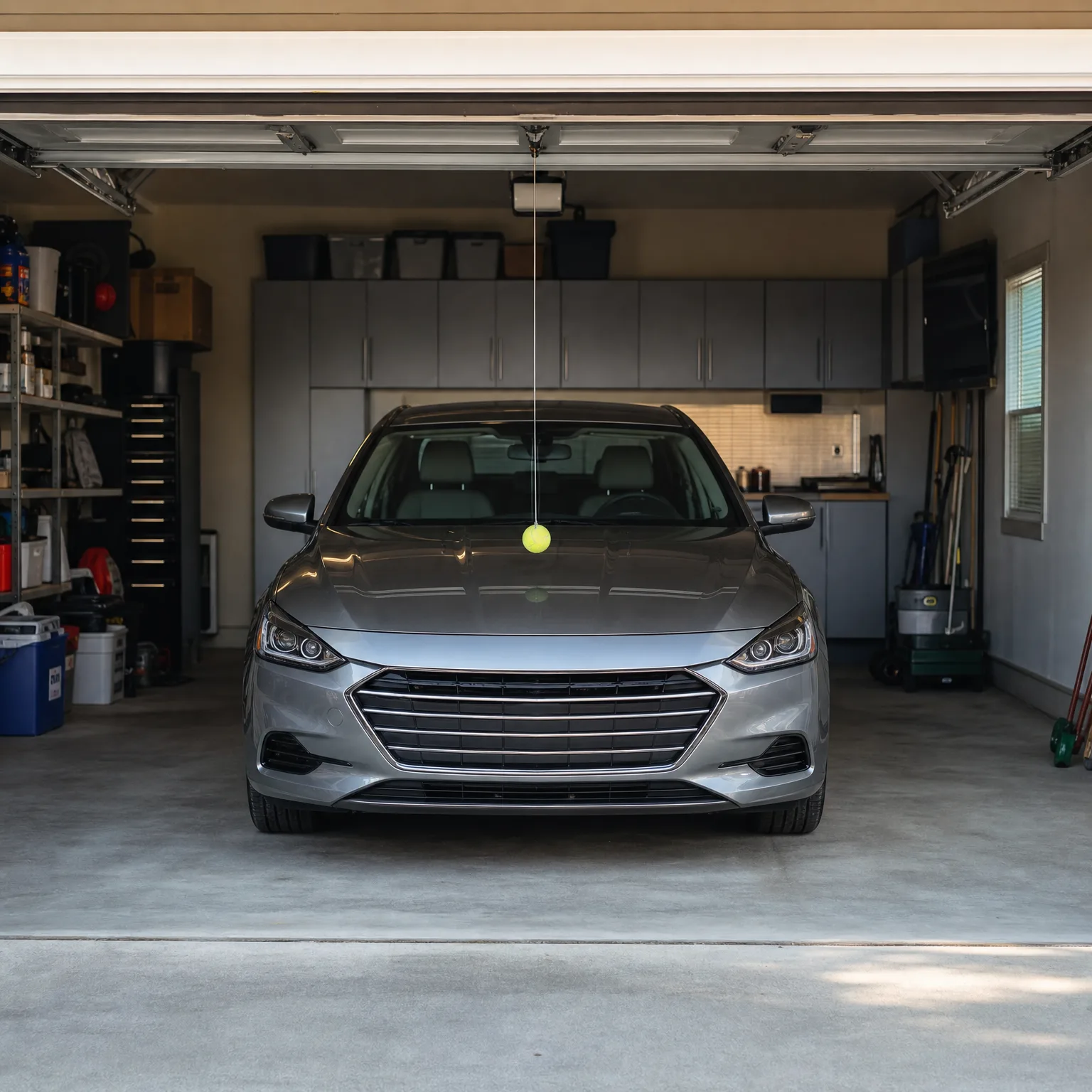
Insurers price by where the car is garaged overnight, not where you work or where you grew up. Two drivers with the same age, record, and car can pay different amounts because one lives somewhere with more claims, more theft, or costlier repairs.
This holds everywhere, but how much it moves your rate depends on your state and your insurer. Some states let insurers weigh location heavily. Others limit how much ZIP code can factor into the price. Your insurer can tell you how much of your rate ties to your address.

Your ZIP code and what happens there
Insurers track claims by area. That includes accidents, car theft, vandalism, and weather damage like hail or flooding. If your ZIP code has a history of any of these, that cost gets spread across the rates of everyone insured there, including you.
This is separate from how you personally drive. You can have a clean record and still pay more than someone with a similar record in a quieter area, because the insurer is pricing the area as much as the driver.
If you move, even within the same state, ask your insurer what the new address does to your premium before you finalize the move. Some moves lower the rate. Some raise it. Neither is guaranteed.
It also affects which insurers want your business. Some companies price aggressively in certain areas and not others, so the company that was cheapest at your old address may not be cheapest at your new one.
What your state allows insurers to do with that information
States set the rules for how much location can factor into a rate, and those rules vary. Some states allow detailed rating by ZIP code or even finer geography. Others require broader territory groupings so the effect is smaller.
Your state also sets rules around things like minimum coverage, uninsured motorist requirements, and how insurers can use other factors alongside location. All of that interacts with where you live to produce your final number.
If you want to know exactly how your state treats location in pricing, your state's department of insurance can tell you what's allowed and what isn't. This is the most reliable source, since it won't vary by which insurer you ask.
For older drivers specifically, location can matter more in areas with limited access to vision or driving test facilities, since some states tie renewal requirements to where you live. That's a licensing question, not a pricing one, but it's worth asking about at the same time.
Questions people ask about this
Will my rate change if I move to a different state?
Yes, moving to a different state almost always changes your rate, because each state sets its own insurance rules and minimum coverage requirements. You'll need a new policy or a transferred one that meets the new state's requirements. Ask your insurer whether they operate in the new state and what the quote looks like before you move.
Does a rural address cost more or less than a city address?
It depends on the specific area, not just whether it's rural or urban. Cities often have more accidents and theft, which can raise rates, but rural areas can have longer emergency response times or higher animal collision rates, which also factor in. Ask your insurer how they weigh your specific address.
Can I use a different address to get a lower rate?
No, your policy has to reflect where the car is actually kept overnight, and insurers can and do check this. Using an address where you don't live is considered misrepresentation and can lead to a denied claim or a canceled policy. If you split time between two homes, ask your insurer how to handle that honestly.
Does my rate change if I only drive in a different area than where I live?
Your rate is based on where the car is garaged, not where you drive it day to day. If you commute into a different area regularly, mention that to your insurer, since some ask about commute distance separately from your home address.
How do I find out exactly how much my address affects my rate?
Your insurer can break down what factors into your premium, including location, if you ask directly. Some will show you how the rate would change at a different address. This is useful to know before a move or before comparing quotes.
See what your address is doing to your rate by comparing quotes tied to where you actually live.
Pull up your renewal notice and check the address listed on it. Call your insurer and ask them to explain what portion of your rate is based on location versus your record or your car. If you're thinking about moving, ask for a quote at the new address before you sign anything. Check your state's department of insurance website for how it regulates location-based pricing, since that tells you what's possible regardless of insurer. Then compare quotes from a few insurers at your current address, since they don't all weigh location the same way.