Does Moving to a Smaller Town Lower Car Insurance
A smaller town often means a lower rate, but the size of the drop depends on where you're moving from and which insurer you have.
Usually yes, but the amount varies a lot
Insurers set rates by location because claims, theft, and accident rates differ by place. A smaller town generally means fewer cars on the road, less traffic, and lower rates of theft and vandalism, all of which tend to bring the price down compared to a city or a crowded suburb.
How much it drops depends on where you're moving from. Someone leaving a dense city with a lot of accident claims will likely see a bigger change than someone moving from one mid-sized suburb to another. Your insurer sets rates by your specific zip code, not by the general idea of a small town, so the only way to know the real difference is to ask them for a rate based on your new address.
Your zip code, not the town's reputation
Insurers price by zip code, and sometimes by an even smaller area within that zip code. Two small towns that feel similar can carry different rates because one has a higher rate of claims, a volunteer fire department versus a paid one, or a longer average drive to a hospital.
This means you can't assume a lower rate just because the new town is smaller or feels quieter. Before you move, ask your current insurer or a new one for a quote tied to your exact new address. Give them the full address, not just the town name, since rural routes and town centers within the same zip can price differently.
If you're still deciding between towns, getting a quote for each address while you're comparing is the only way to see the real difference ahead of time instead of guessing.
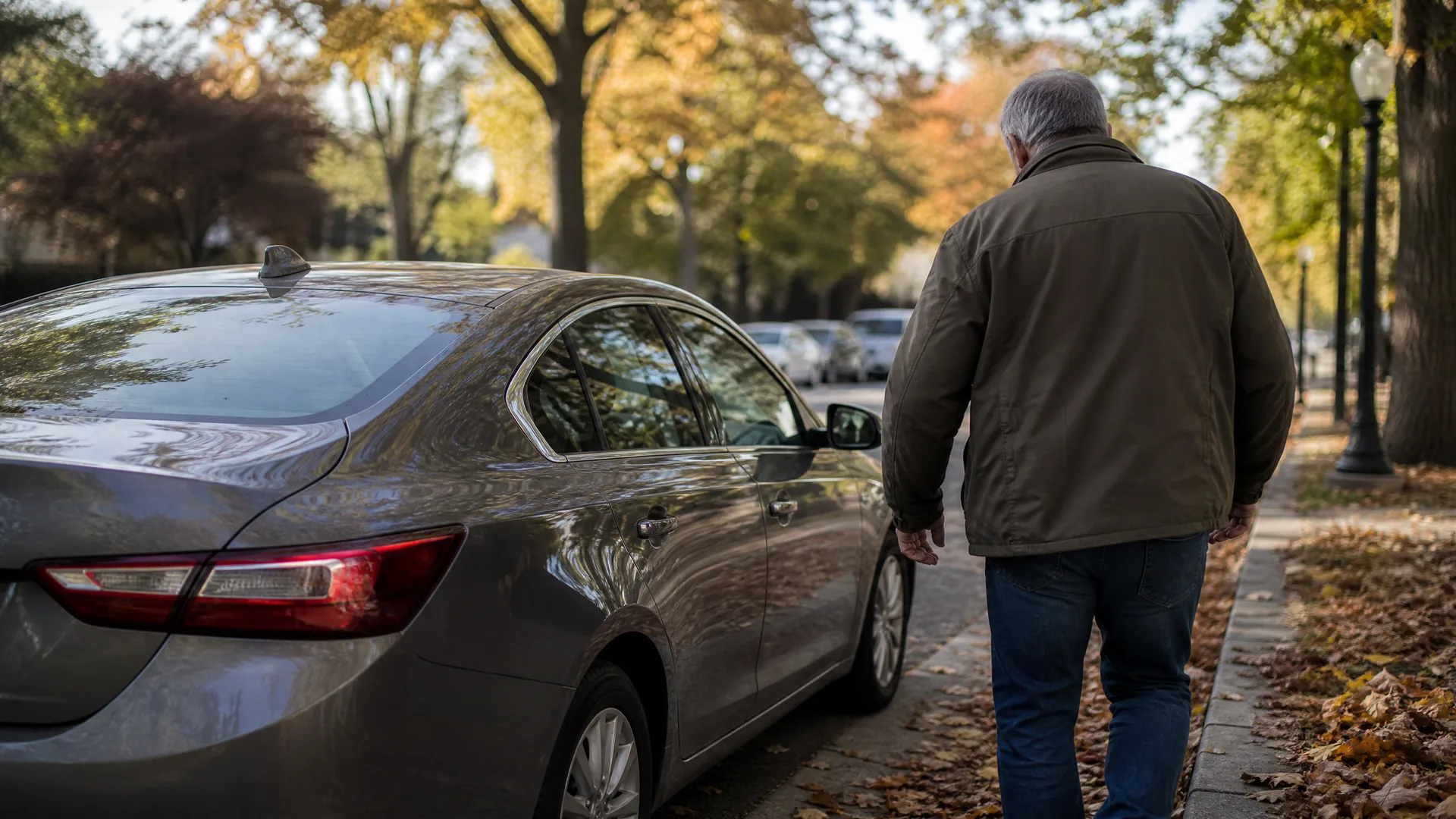
How you'll drive once you're there
A move to a smaller town usually changes more than your address. Your commute often gets shorter, which means fewer miles driven per year, and insurers ask for your annual mileage because fewer miles on the road generally means fewer chances for a claim.
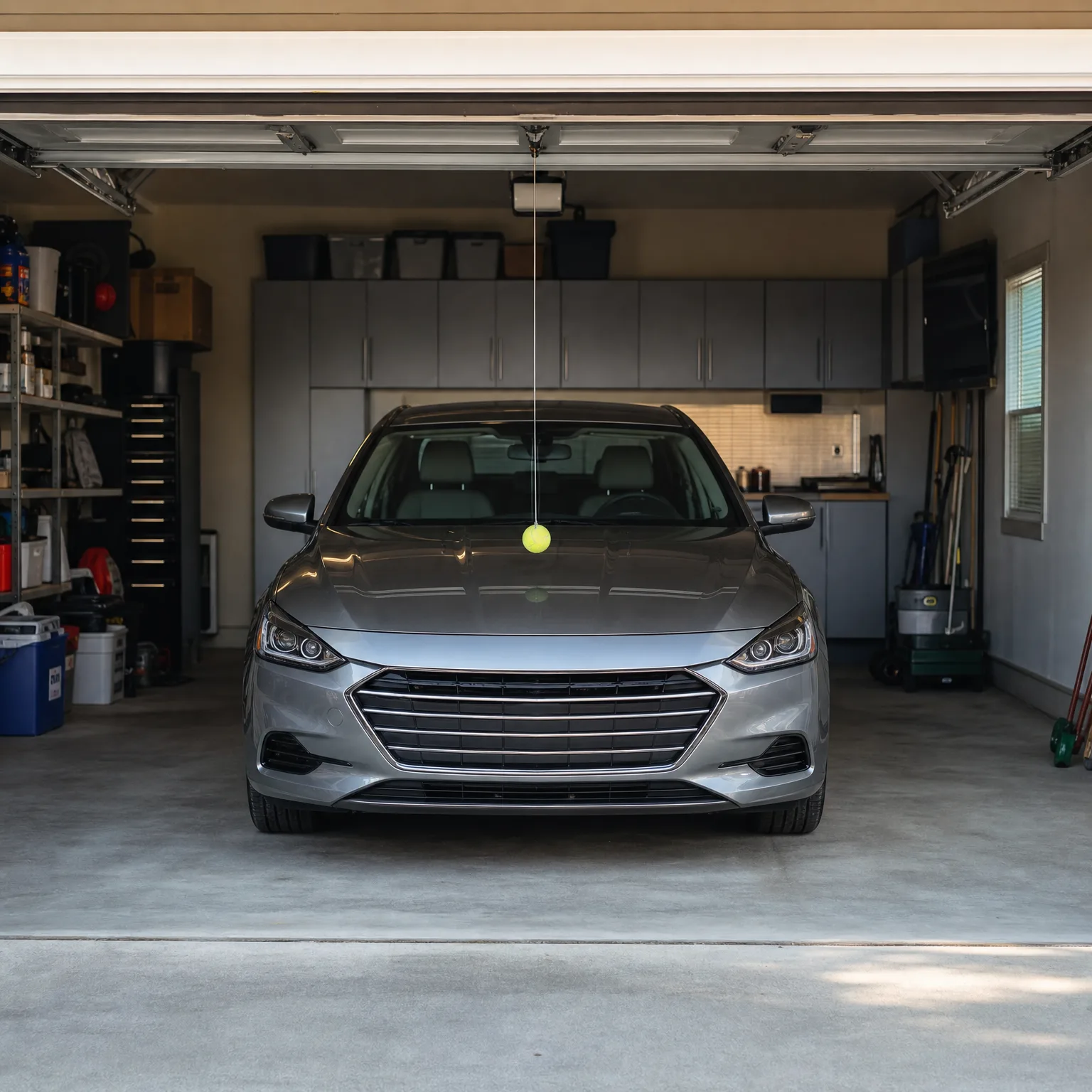
Where you park the car matters too. A driveway or a garage in a small town typically counts as lower risk than street parking in a city, and insurers ask about this directly.
If you're switching from public transit to driving every day because the new town doesn't have the same transit options, mention that to your insurer as well. It can work against the savings from the move itself, so it's worth asking how the two changes net out before you assume the new rate will be lower across the board.
Questions people ask about this
Does my credit score change when I move to a different state?
Your credit score itself doesn't change because you moved, but how your insurer uses it might. Some states don't allow insurers to use credit-based insurance scores at all, so if you're moving across a state line, ask your new insurer whether this factor applies where you're headed.
Will my car insurance go up if I move to a rural area with no sidewalks or streetlights?
Not necessarily, and in many cases rural areas see lower rates because of less traffic and fewer claims. Some insurers do factor in things like distance to the nearest fire station or hospital, so ask directly how your new address is rated rather than assuming based on how developed the area looks.
Do I need to tell my insurer before I move or after?
Tell your insurer as soon as you have your new address, ideally before the move happens. Driving with an address on file that doesn't match where you actually live can affect a claim, so update it as soon as you know it rather than waiting until after you've settled in.
Can I keep my old insurance policy after moving to a new state?
This depends on the insurer and the state, since not every company is licensed to write policies in every state. Ask your current insurer directly whether they operate in your new state, and if they don't, you'll need a new policy before you drive there.
Does moving to a smaller town affect my home or renters insurance the same way it affects car insurance?
The two are priced separately and don't move together automatically, though similar factors like local claims history and distance to emergency services can affect both. Ask your insurer for a quote on your new home or rental separately from your auto policy.
See what your new address actually does to your rate before you commit to the move.

Get your new address ready, the full street address and zip code, not just the town name. Call your current insurer and ask for a rate quote based on that address, and ask specifically whether they're licensed to write policies there if you're crossing a state line. While you're on the call, ask how your annual mileage estimate and parking situation, driveway, garage, or street, will factor into the new rate. Compare that quote against a couple of others before you finalize anything, since the same address can price differently from one insurer to the next. Update your address with your insurer as soon as the move is set, rather than waiting until after you've unpacked.