What Car Costs Do Seniors Forget to Budget For
The budget surprise isn't the premium. It's everything that changes around it once driving habits shift.
The costs that get missed are the ones that change quietly
Most seniors budget for the insurance premium itself and stop there. What gets missed is everything that shifts around it: maintenance costs that go up as a car ages alongside its owner, the loss of discounts tied to commuting or mileage once driving drops off, and gaps in coverage that show up only after a claim.
This happens because a car bought for a working life doesn't match the driving life that follows. The insurance, the upkeep, even the type of car can all stop fitting the way they used to, and nothing sends a notice when that happens. The only way to catch it is to look at the whole cost of the car, not just the bill that arrives each month.
How much you still drive changes more than you'd think
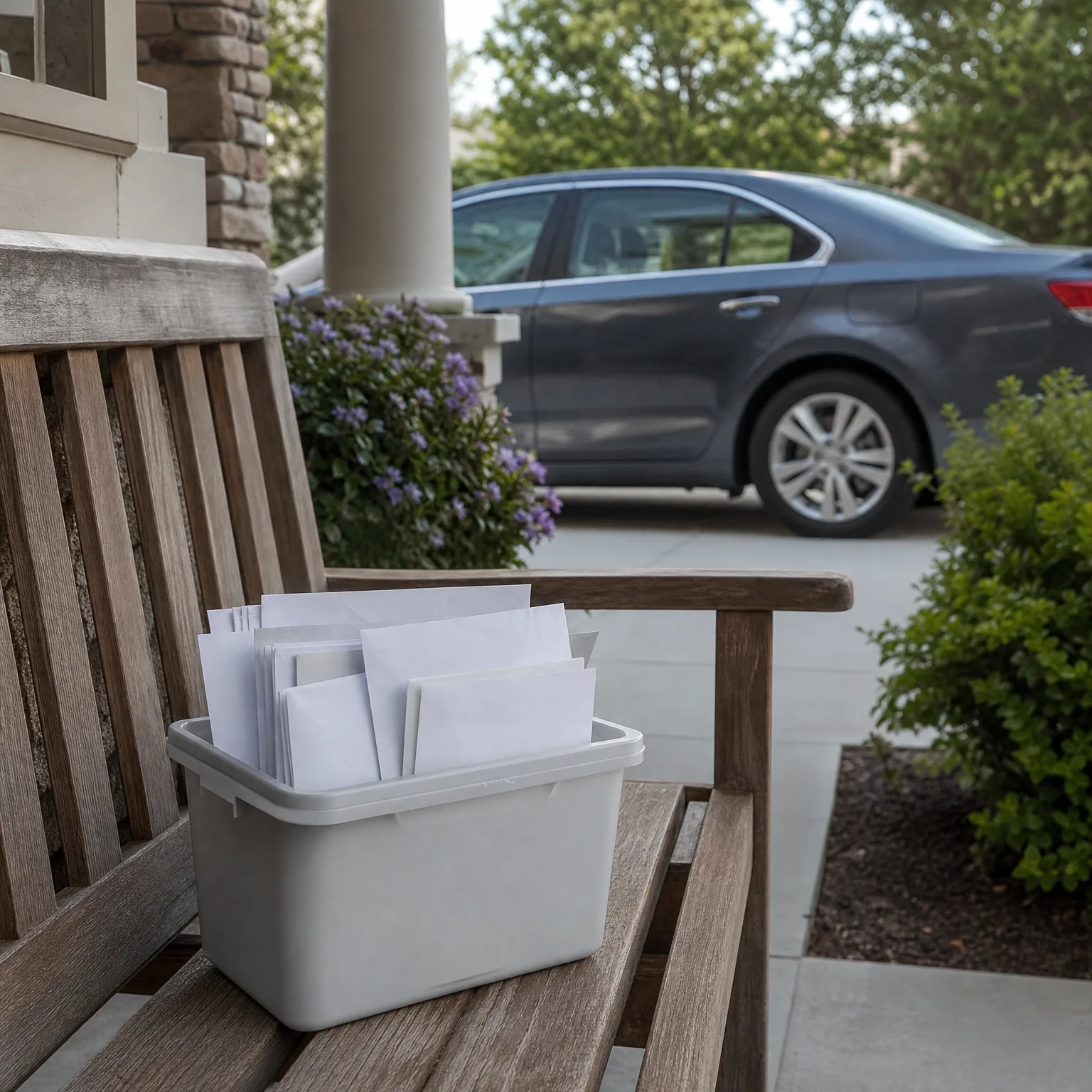
Many insurers offer a lower rate for low mileage, but only if you tell them. If your driving has dropped off since retirement, your policy may still be priced as though you're commuting five days a week. That's a cost that sits there until someone asks the insurer to look at it again.
The flip side is maintenance. A car driven less doesn't need less upkeep. Tires age and crack even when they're not worn down. Batteries weaken faster with short, infrequent trips than with daily highway driving. Fluids break down on a calendar, not just a mileage count. A car that looks lightly used can still need the same inspections and replacements as one driven hard.
Worth checking each year: whether your insurer has a mileage band you've dropped into, and whether your mechanic is still basing service recommendations on how the car is actually being driven now.
If you've started driving less, a lower mileage estimate is one of the few things that can lower a premium without changing the coverage at all.
The car itself may be costing more than it needs to
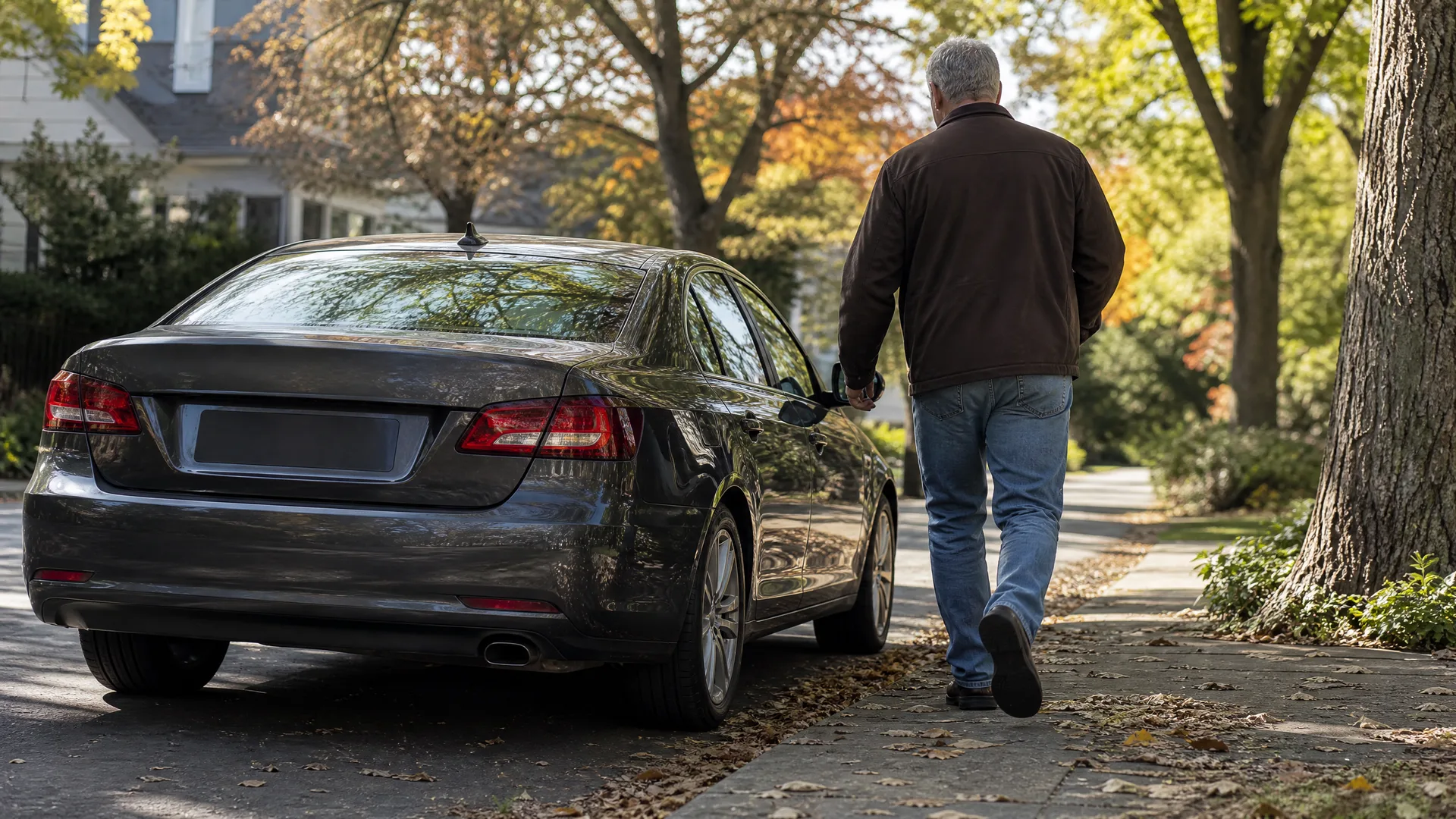
A car bought years ago may now be costing more to insure, maintain, or simply own than a newer or different model would. Repair costs climb as parts become harder to find. Safety features that are standard on newer cars, like automatic emergency braking or blind spot warnings, aren't something an older car can be retrofitted with, and some insurers price that in.
There's also the cost of what isn't failing yet. An aging car can pass inspection and still be a bigger risk than it looks, because wear that doesn't trigger a warning light is still wear. Brake lines, suspension components, and electrical systems all degrade in ways that don't always announce themselves before they fail.
None of this means the car needs to be replaced. It means the comparison is worth doing: what the current car costs to keep running and insure, against what a comparable but newer car would cost instead, including financing if that applies. Sometimes the older car is still the better deal. Sometimes it isn't, and nobody ran the numbers to find out.
Questions people ask about this
Do seniors pay more for car insurance as they get older?
It depends on the insurer and the state, since rating rules for older drivers vary. Some insurers use age as one factor among many, including driving record and vehicle type, so the only way to know your own situation is to ask your insurer directly how age affects your specific rate.
Is it worth keeping a car with a car payment after retirement?
That depends on the loan terms and what the car is actually worth to you now versus what you owed when you bought it. A fixed income changes how a car payment fits into a monthly budget, so it's worth comparing what's left on the loan against what the car would sell for and what a paid-off replacement would cost.
Should seniors drop collision coverage on an older car?
This depends on what the car is worth and what you could afford to replace it with out of pocket. Collision coverage pays out based on the car's value, so if that value has dropped well below what the coverage costs each year, it's worth asking your insurer or agent to walk through the math for your specific car.
How often should an older driver get their car inspected?
Beyond whatever your state requires, it's worth asking a mechanic you trust how often a car your age needs a fuller check, not just the minimum to pass inspection. Age-related wear on brakes, suspension, and steering doesn't always show up in a standard inspection.
Does taking a defensive driving course actually lower costs for seniors?
It can, but only if the completion certificate is sent to the insurer, since the course itself doesn't automatically update anything. Not every insurer offers a discount for it, so it's worth asking your insurer or agent before you sign up for a course, not after.
If you want to know whether your current coverage still fits how you actually drive now, the fastest way to find out is to compare it against what else is available.
Pull your most recent renewal notice and your current mileage estimate before you do anything else. Call your insurer or agent and ask directly whether your rate reflects how much you drive now, not how much you drove when the policy started. At the same time, ask your mechanic for an honest estimate of what your car will need in upkeep over the next year or two, including anything that isn't urgent yet but is coming. Put those two numbers next to what a comparable newer car would cost to insure and maintain. That comparison, done once a year, is the budgeting step most people skip.