How to Reduce Car Insurance Renewal Premium
The renewal price is rarely the best price available to you, and getting a lower one usually means asking for discounts you haven't claimed or comparing your policy against other insurers.
Start with what's changed since you last shopped
A renewal premium goes up when the insurer reassesses your risk, your car, or the cost of claims generally. It rarely comes back down on its own. If you want it lower, you usually have to do something: ask your insurer about discounts you qualify for now, or get quotes from other insurers and see what they'd charge for the same coverage.
What actually moves the number depends on why it went up. Sometimes it's something about you, like a change in where you live or how you use the car. Sometimes it's nothing about you at all, just the insurer raising rates across the board. Either way, the only way to know if you're paying a fair price is to compare it against what someone else would charge you.
Your driving record and the discounts tied to age
Many insurers offer a discount for completing an approved defensive driving or mature driver course, and some states require insurers to offer it. The discount isn't automatic. You have to finish the course and send the insurer the certificate, and if you don't, nothing changes on your policy even though you did the work.
Your driving record matters too, and it works in both directions. A clean record over the past several years is one of the strongest things you can point to when you ask for a lower rate or shop elsewhere. If anything is on your record, ask your insurer when it's set to fall off, since that date can be worth waiting for before you renew.
Some insurers also reassess risk differently as drivers get older, and a few flag a certain age for review or added scrutiny. Whether that applies to you is specific to the insurer, so it's worth asking directly whether your age affected this renewal and what would change that.
Whether your coverage still matches your car
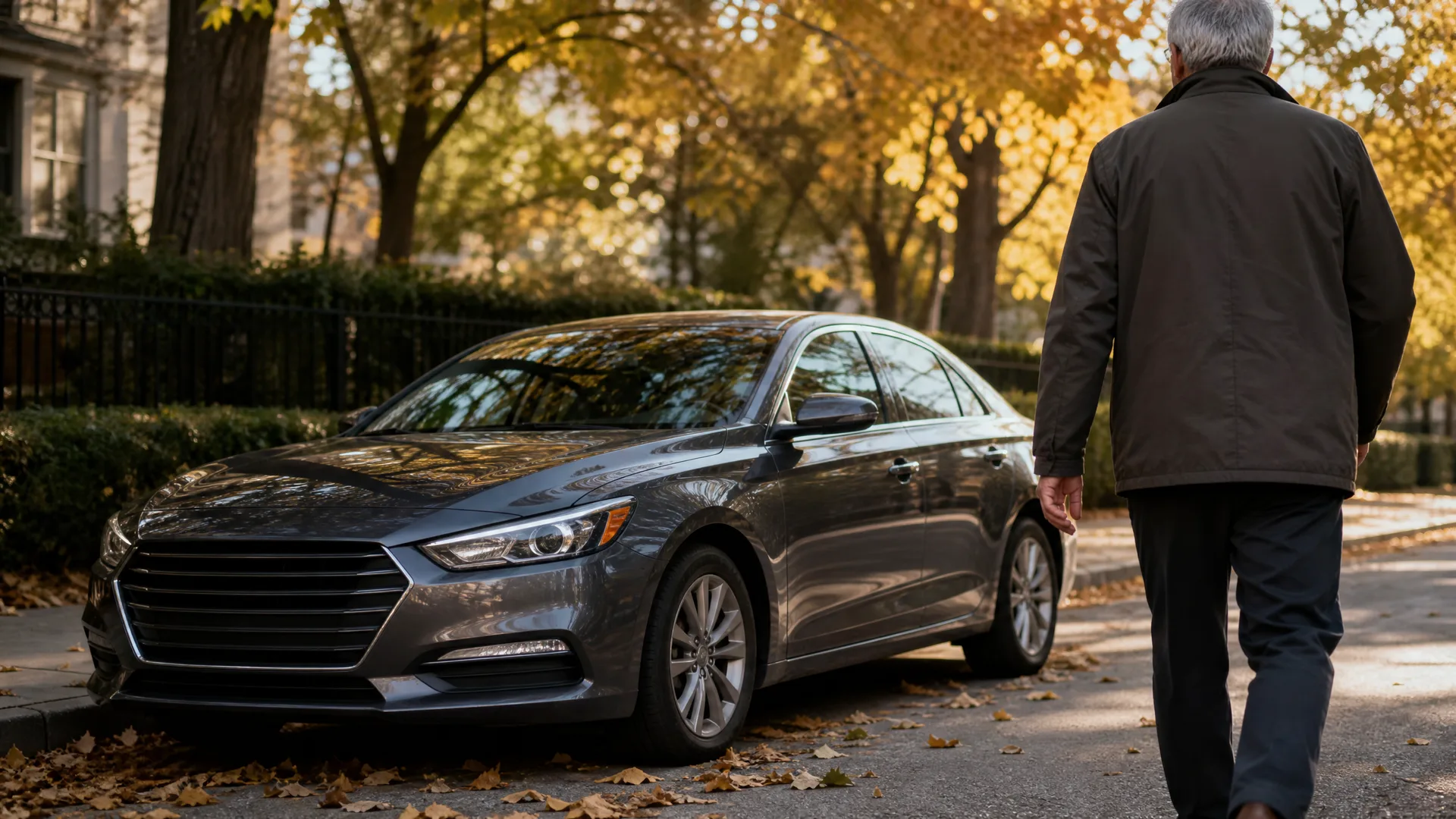
A renewal premium is also a reflection of what you're insuring. If your car has lost value, or you drive less than you used to, the coverage you bought years ago may no longer make sense. Comprehensive and collision coverage cost more to carry on a car that isn't worth much anymore, and dropping or adjusting that coverage is one of the more direct ways to bring the premium down.
It's also worth checking your deductible. A higher deductible lowers your premium but means more out of pocket if you file a claim, so this is a real tradeoff, not a free discount.
Finally, ask your insurer to walk through every discount tied to your situation: low mileage, bundling with another policy, a car with safety features, paying in full instead of monthly. None of these apply automatically. Each one has to be requested and sometimes documented before it shows up on your bill.
Questions people ask about this
Why did my car insurance renewal go up with no accidents or tickets?
It's usually not about your record at all. Insurers regularly reprice based on claims costs across their whole pool of drivers, repair and medical costs generally, or where you live, and those changes can raise your premium even with a clean driving history. Ask your insurer directly what changed on your policy, since they can tell you whether it was something specific to you or a broader rate adjustment.
Will shopping for new car insurance hurt my credit?
Getting quotes doesn't work the same way as applying for a loan. Insurers typically pull a soft inquiry or use a credit-based insurance score that doesn't affect your credit score, but it's worth asking any insurer you're quoting with how they check your credit before you provide your information.
Can I switch car insurance companies before my policy renews?
Yes, in most cases you can switch at any point, not just at renewal. If you cancel before the end of your current term, ask your insurer whether you're owed a refund for the unused portion and whether there's any cancellation fee, since both of those vary by insurer.
Does my car insurance go down once I retire?
Not automatically. Insurers don't know your commute or work status has changed unless you tell them, so if you're driving less because you retired, call your insurer and ask them to update your estimated annual mileage, since that's often what the discount is based on, not retirement itself.
How often should I compare car insurance rates?
Checking around renewal time each year is reasonable, since that's when your premium is most likely to change. It's also worth comparing any time something in your situation shifts, like moving, paying off your car, or finishing a driving course, since those are the moments a different insurer may price you better than your current one.
See what other insurers would charge for the coverage you have now.
Pull out your current renewal notice and declarations page before you do anything else, since you'll need the coverage limits and deductibles listed there to compare quotes accurately. Call your current insurer and ask two things plainly: why the premium changed, and what discounts you're not currently receiving. If you've completed a driving course recently, confirm they have your certificate on file. Then get quotes from a few other insurers for the same coverage limits, not just whatever they default to, so the comparison is fair. If another insurer offers a meaningfully lower rate for the same coverage, you can switch at any time, you don't have to wait for your renewal date to arrive.