How to Lower Car Insurance on a Fixed Income
The lowest rate comes from stacking the discounts you qualify for now with a policy sized to what you actually drive.
Yes, and most of the room to save is in discounts you haven't claimed yet
Drivers on a fixed income usually have more ways to lower a car insurance bill than they realize, because age itself unlocks discounts that younger drivers can't get. A mature driver course, a low annual mileage, a long claims-free history, all of these are worth asking about by name.
The other half of the answer is trimming the policy itself. Coverage that made sense when you had a car payment or a long commute may not make sense now. What you can safely cut depends on your car, your state's minimum requirements, and whether you're still financing or leasing.
Your driving habits now, not your habits ten years ago
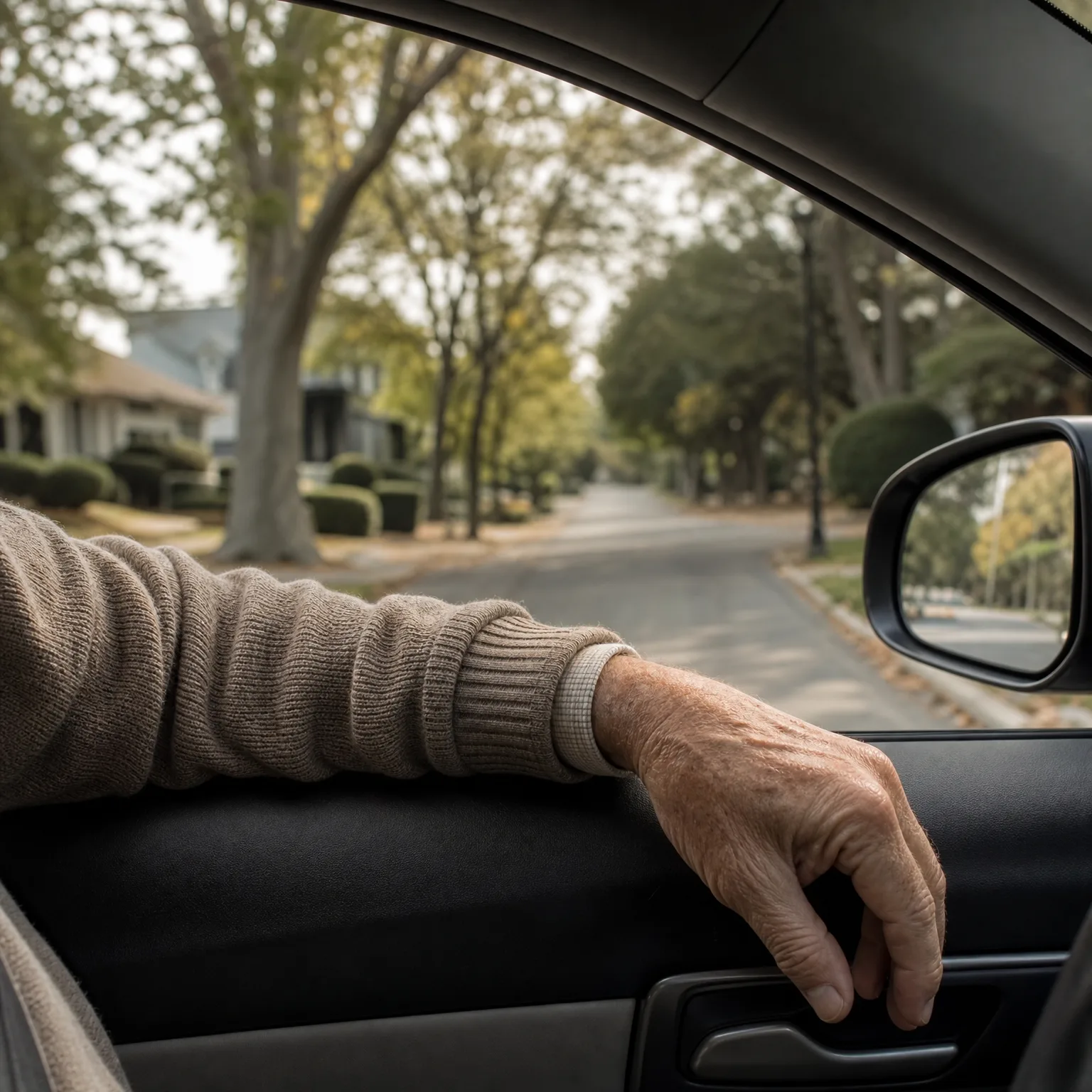
Insurers price a policy based on how much and how you drive today. If you're retired or driving less than you used to, tell your insurer. Many offer a lower rate for low annual mileage, and some offer usage-based programs that track actual driving and price accordingly.
This works against you if you assume the insurer already knows. They don't adjust your rate automatically just because you're older or retired. You have to report the change and sometimes provide an odometer reading or enroll in a monitoring program.
It also means the type of driving matters. Someone who only drives locally in daylight is a different risk than someone who still commutes a long distance, and the discount reflects that difference.
If your mileage has dropped, ask your insurer directly whether that's reflected in your current premium or whether you need to request the change.

What you can prove, not just what's true
A completed mature driver course only lowers your premium if you send the insurer the certificate. The same goes for a clean driving record, a paid-off car, or a home security system if you bundle policies. None of these count until you document them.
This is the step most people skip. They assume turning a certain age or finishing a course is enough on its own. The insurer needs the paperwork in hand before the discount applies, and it usually doesn't apply retroactively.
The same logic applies to your car itself. Older, paid-off vehicles often don't need the same comprehensive and collision coverage that made sense when the car was financed. Dropping coverage you no longer need lowers your premium without touching your protection where it matters.
Ask your insurer for a full list of discounts available to you, not just the ones they mention by default. Some have to be requested.
Questions people ask about this
Does car insurance go down after a certain age?
Not automatically. Some insurers offer age-based discounts, but you typically have to ask or enroll rather than wait for it to appear on a renewal. Check with your insurer about what age-related discounts they offer and what you need to do to claim one.
Can I drop collision coverage on an older car to save money?
You can, if your car is paid off and its value is low enough that the payout wouldn't cover much after a claim. Whether it makes sense depends on what the car is worth and what you could afford to replace it with. Ask your insurer for your car's current valuation before deciding.
Will taking a defensive driving course actually lower my premium?
It can, but only if your insurer offers that discount and you send them proof of completion. Not every insurer recognizes every course, so confirm which ones qualify before you pay for one.
Should I switch insurers if my renewal price went up?
It depends on why the price went up and what other insurers would charge for the same coverage on your car and driving record. A renewal increase isn't always tied to anything you did, so it's worth comparing before assuming you're stuck with it.
Does bundling home and auto insurance help on a fixed income?
Often, but the savings depend on the insurer and what you're bundling. Ask for a bundled quote alongside separate quotes so you can see the actual difference rather than assuming it's cheaper.
See what a policy sized to how you actually drive now would cost.
Pull your current policy and renewal notice and list every coverage line on it. Call your insurer and ask which age-related, low-mileage, or course discounts you qualify for, and what proof they need from you. If you've finished a driving course recently, send the certificate this week rather than assuming it was applied. Then compare your renewal price against quotes from a couple of other insurers for the same coverage, so you know whether staying put is still your best option.