How to Budget for Car Insurance in Retirement
Your premium in retirement depends less on your age than on your driving record, your car, and how often you shop your policy against others.
Treat it as a flexible cost, not a fixed one
Car insurance in retirement is easier to budget for if you plan for it to change rather than assume it will settle into one number. Your premium can move up or down based on things you have some control over, like your driving record and the car you keep, and things you don't, like how your insurer prices your age group.
The most useful habit is to check your rate against other insurers on a regular schedule, not just when a renewal notice surprises you. Retirement often means fewer miles driven and sometimes a paid-off car, and both of those are worth asking your insurer about directly, since they can lower what you pay.
Your driving habits probably changed, and your policy should reflect that
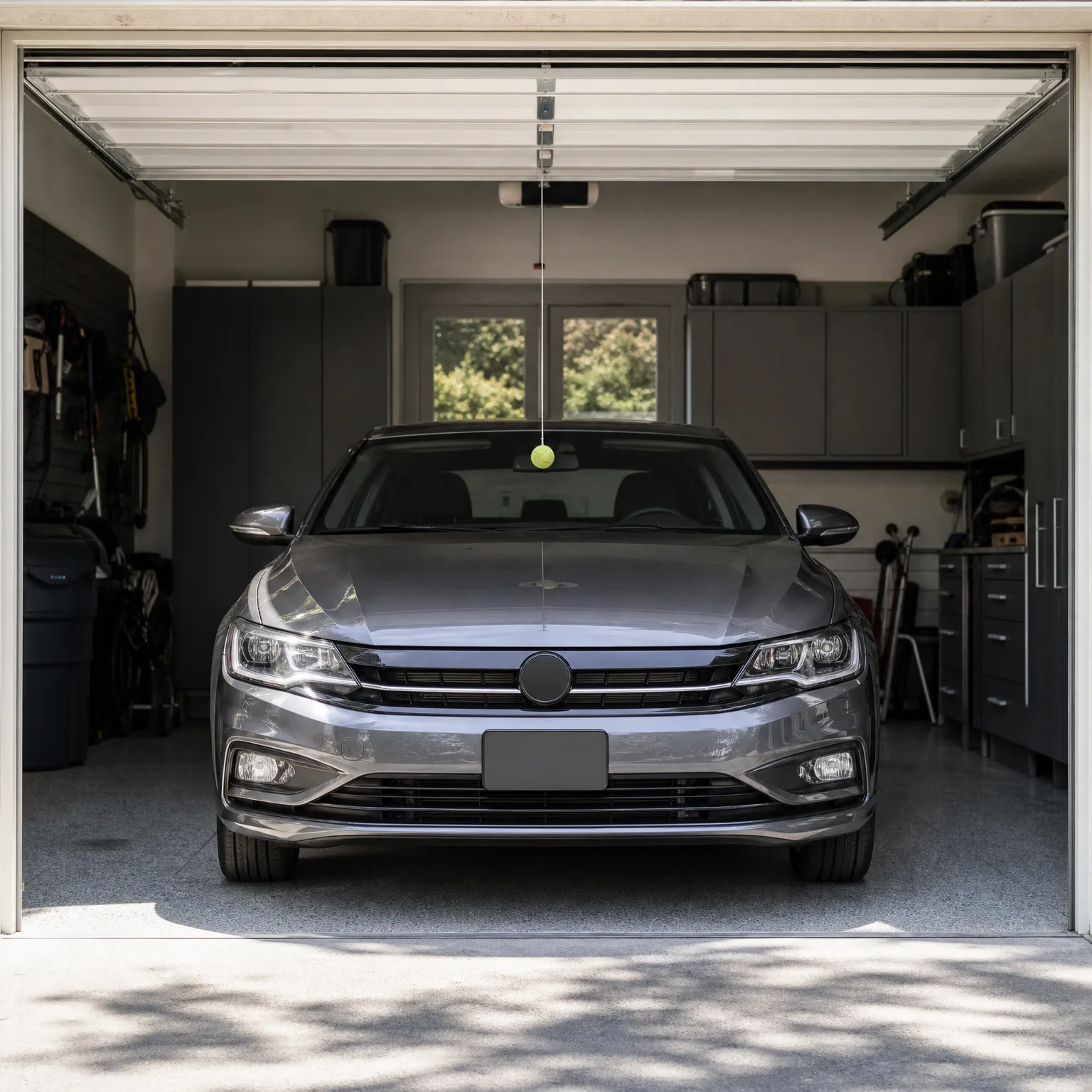
If you're driving less than you did while working, say no daily commute anymore, that's worth telling your insurer. Many base part of your pricing on estimated annual mileage, and a lower number can mean a lower premium. This isn't automatic. You have to update it.
The same goes for how you use the car. If it now sits in the garage most days instead of being your primary vehicle, ask whether that changes your rate or whether a different coverage level makes more sense.
This is also a good time to look at what you're paying for. Coverage that made sense when you had a long commute or a newer car might not fit how you drive now. Ask your insurer to walk through your current coverage line by line.
None of this requires switching insurers to benefit. It just requires telling the one you have what's actually changed.

Where you live and how you're licensed still drives the price
States set their own rules for how insurers can price older drivers, including whether a completed defensive driving course or a vision test can lower a premium. Some states require insurers to offer a discount for course completion. Others leave it up to the insurer. You have to ask your state's insurance department or your agent which applies to you.
Your driving record still matters more than your age by itself. A clean record over many years is something you can ask your insurer to price fairly, and it's worth comparing whether another insurer would price that same record lower.
If your license comes up for renewal with new requirements, like a vision test or an in-person visit, build that into your planning too. A lapsed or restricted license can affect your insurance options, so keep the two on the same timeline in your own mind.
Questions people ask about this
Does car insurance go up or down after you retire?
It depends on what changes about your driving, not on retirement itself. If you drive less or drop a car from your household, your premium can go down. If your insurer treats your age bracket differently, it can go up. The only way to know is to ask your insurer directly what changed on your last renewal and why.
Should I drop coverage I don't need anymore in retirement?
That depends on your car, your savings, and what your state requires at minimum. Before dropping anything, ask your insurer what each part of your coverage actually protects you against, and ask whether your state requires you to keep it. Don't cancel coverage based on a guess about what you'll need.
Is it worth switching insurers after you retire?
It's worth checking, even if you've been with the same insurer for years. Loyalty doesn't always get rewarded with the lowest rate. Compare what you're currently paying against a few other quotes using your actual driving habits now, not the habits you had while working.
Will a defensive driving course actually lower my premium?
Only if your insurer offers that discount and you send them the certificate after finishing the course. Some states require insurers to offer this discount, others don't. Ask your insurer before you take the course whether it will count, and what they need from you afterward.
How often should I review my car insurance once I'm retired?
Review it whenever something about your driving or your car changes, and otherwise at least once a year around renewal. Mileage, a move to a new state, or a change in who drives the car are all reasons to ask your insurer whether your premium should change too.
See what other insurers would charge for the way you drive now.
Pull out your most recent renewal notice and your current policy details. Call your insurer and ask them to walk through each coverage line and explain what it costs and what it covers. Tell them if your mileage, car use, or household has changed since you last updated your policy. Ask specifically whether your state requires a discount for a defensive driving course or a vision test, and what they need from you to apply it. Then compare what they quote you against a couple of other insurers before your next renewal date arrives, not after.