How to Cut Down on Living Expenses
The fastest savings usually come from a few fixed bills, not from cutting coffee or small daily purchases.
Start with what repeats every month
Living expenses drop the most when you change a bill you pay automatically, not when you watch small purchases. Insurance, utilities, subscriptions, and debt payments go out whether you notice them or not, so they're the first place to look.
For most retirees, the biggest single opportunity is car insurance, because the price can vary a great deal between insurers for the same coverage. Shopping it at renewal costs nothing and takes an afternoon. The rest of this page covers what else moves the needle and what usually doesn't.

Your fixed bills matter more than your daily habits
A bill that renews automatically, like insurance, a phone plan, or a streaming service, keeps charging the same rate until someone changes it. Insurers in particular count on this. Many raise rates gradually at renewal, assuming the customer won't shop around.
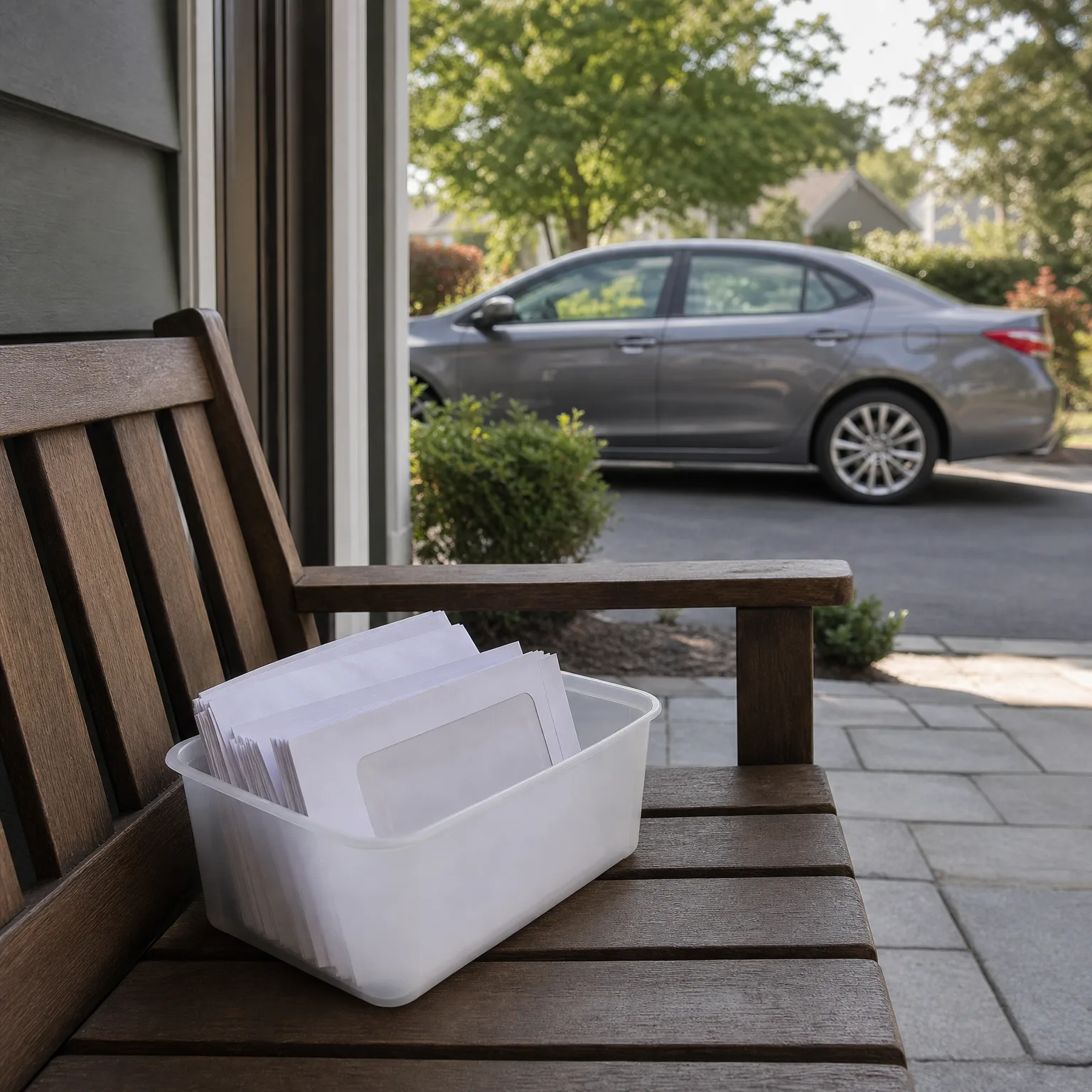
Go through your bank or credit card statement for the last three months and list every recurring charge. For each one, ask whether you're still using it and whether you've checked a competing price in the last year. Car insurance, home or renters insurance, and any subscription service are the most common places people find they're paying more than they need to.
Cancelling or switching takes effort once, but the saving repeats every month after that. This is why it outweighs smaller daily changes, even ones that feel significant at the time.
If you're on a fixed income, ask your insurer or service provider directly whether they offer a lower tier or a loyalty rate. Some will adjust a bill if you ask, but won't offer it unless you do.
Where people cut and don't notice a difference
Some costs can be reduced without changing how you live day to day. Insurance deductibles, coverage limits, and discounts are the clearest example. If you're driving less than you used to, your insurer may have a lower-mileage rate you don't currently get, but you have to ask for it.
Paying annually instead of monthly, where the biller allows it, often avoids a financing charge built into the monthly price. Check your insurance, utility, and any membership bills for this option.
Home costs often have the same hidden flexibility. A homeowners or renters policy bundled with your auto policy is sometimes cheaper than the two held separately, but not always, so it's worth asking an agent to quote both ways.
The costs that are harder to cut without a lifestyle change are groceries, medical copays, and anything tied to your health. Those are worth planning around rather than trying to shrink the same way you would a subscription.
Questions people ask about this
Should I raise my car insurance deductible to save money?
Raising your deductible usually lowers your premium, because you're agreeing to pay more out of pocket if you file a claim. It only makes sense if you have enough set aside to cover that higher amount. Ask your insurer for the premium at a few different deductible levels so you can compare the saving against the risk.
Is it worth switching car insurance companies after retirement?
It can be, because your driving pattern and mileage often change after you stop commuting, and your current insurer may not have adjusted your rate to reflect that. Getting a quote from a few insurers lets you see whether your current price still reflects how you actually drive. There's no cost to check.
Does bundling home and auto insurance always save money?
Not always, it depends on the insurer and your specific coverage needs. Some insurers price a bundle well below the two policies separately, and others don't. Ask for a quote both ways, bundled and separate, before assuming one is cheaper.
How often should I compare car insurance rates?
Checking at every renewal is a reasonable habit, since that's when most insurers reprice your policy. Rates can shift even if nothing about your car, address, or driving record has changed. If your premium went up at renewal without an explanation, that's a good moment to get a comparison quote.
Can I lower my car insurance without changing coverage?
Sometimes, through discounts you may already qualify for but aren't receiving, such as a low-mileage discount, a defensive driving course discount, or a multi-policy discount. These depend on the insurer and the state, so ask your agent directly which ones apply to you and whether you're currently getting them.
See what a comparison quote looks like for your car before you decide what else to cut.

Pull your last three bank or credit card statements and write down every bill that repeats monthly or yearly. Next to each one, note the last time you checked a competing price. For your car insurance, have your current policy declarations page ready, since it lists your coverage limits and deductible, and get a quote from at least two other insurers using the same coverage so the comparison is fair. Ask your current insurer directly about any mileage, loyalty, or course discounts before you renew. Do the same check for home or renters insurance if you haven't shopped it recently. This one pass usually turns up more saving than weeks of smaller cuts.