Cheap Car Insurance for Seniors in Oregon
The cheapest option is almost never your current insurer, since rates for older drivers vary widely and shopping around is what actually lowers the bill.
Yes, if you shop around and ask the right questions
Car insurance for seniors in Oregon can be cheap, but it depends on comparing insurers rather than staying with one out of habit. Insurers price older drivers differently from each other. One company might raise your rate at a certain age while another barely adjusts it, so the only way to know who treats you best is to check more than one.
Two things usually bring the cost down the most. A completed defensive driving or mature driver course, if your insurer offers a discount for it. And a clean recent record, since Oregon insurers weigh moving violations and claims from the last few years more heavily than age itself.
Your driving record still matters more than your birthday
Insurers in Oregon don't price your policy on age alone. They look at what you've actually done behind the wheel in the last several years. A senior with a clean record for that stretch often pays less than a younger driver with a recent ticket or claim, regardless of what the insurer's general age table says.
If you haven't had a violation or claim in a while, say so when you compare quotes, because some insurers ask and some only check your pulled record. It's worth confirming which years each insurer actually reviews, since a minor incident that's about to age off your record could still be counted by one insurer and not another.
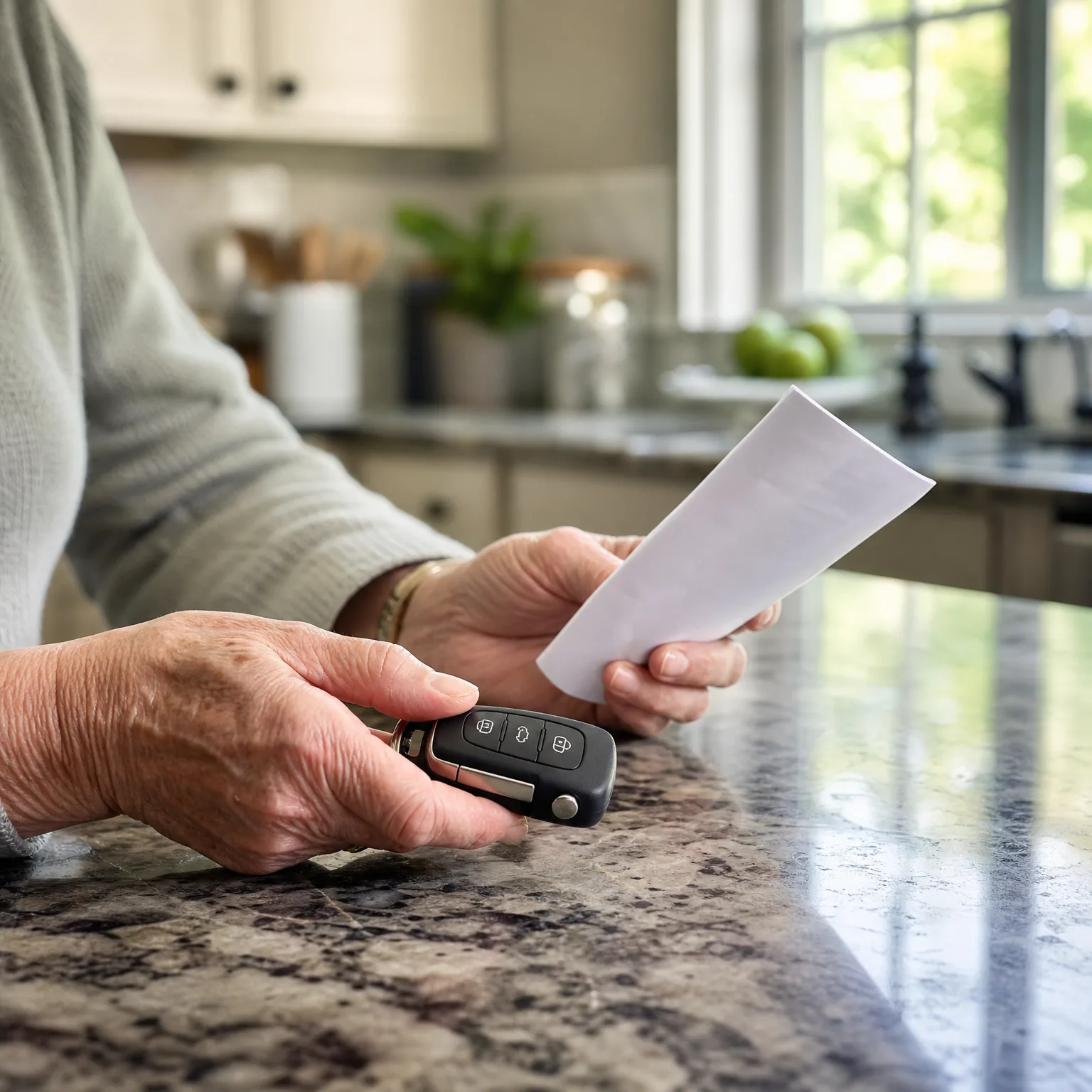
If your record isn't spotless, a completed defensive driving course can sometimes offset that in the insurer's eyes, but only if you send them the certificate yourself. Finishing the course doesn't change anything until your insurer has proof of it on file.
How much any of this moves your premium is set by each insurer's own rules, not by the state, so the only way to know what you'd actually save is to ask.
How you use your car changes what you're charged for
Insurers also price based on how much and how the car is driven, not just who's driving it. A senior who's retired and driving less than they used to may qualify for a lower mileage tier, but only if the insurer knows about it. Your premium is usually based on the mileage estimate from your last renewal unless you update it.
The car itself matters too. An older, fully paid-off vehicle often costs less to insure for liability and comprehensive coverage than a newer one, especially if you've dropped collision coverage because the car's value no longer justifies the cost. Ask your insurer what your car would cost to insure with and without collision, so you can see whether it's still worth carrying.
If you've added a parent or spouse as a named driver, or if someone else is listed on your policy, check whether their record is affecting your premium independently of yours. Oregon insurers vary in how they combine drivers on a shared policy.
Questions people ask about this
does car insurance go up when you turn 70?
It depends on the insurer, not on a rule that applies everywhere. Some insurers increase rates gradually starting at a certain age, others don't adjust for age at all once you're past the steepest part of the curve. Ask your current insurer directly whether your age bracket affects your premium, and compare that answer against at least one other insurer.
is there a senior discount for car insurance in Oregon?
Some insurers offer one, but it's not required by the state and not every company calls it the same thing. It's often tied to completing a defensive driving or mature driver course rather than age alone. Ask your insurer by name whether they have a mature driver discount and what proof they need to apply it.
what happens to my car insurance if I stop driving as much?
Your premium can go down if your insurer knows your mileage has dropped, but it won't adjust automatically. Most insurers price your policy on the mileage estimate from your last renewal. If you're driving less now, contact your insurer and ask them to update that estimate.
should I drop collision coverage on an older car?
That depends on what your car is worth and what collision coverage costs you each year. If the car's value is low enough that a claim payout wouldn't cover much more than the premium you'd pay over several years, it may not be worth keeping. Ask your insurer for your car's current value and your collision premium side by side before deciding.
can I be dropped by my insurer for being too old?
Insurers can decide not to renew a policy for reasons related to risk, but age by itself isn't typically the stated reason, and Oregon has rules about how and when an insurer can non-renew a policy. If you get a non-renewal notice, ask the insurer in writing for the specific reason, and check with the Oregon Division of Financial Regulation if the explanation doesn't add up.
See what other insurers would charge you before you renew with the one you have.
Pull your most recent renewal notice and your driving record for the last few years, since both affect what you'll be quoted. Call your current insurer and ask directly whether your age affects your rate and whether they offer a mature driver discount. If you've completed a defensive driving course, send them the certificate now rather than assuming it was applied automatically. Then get quotes from at least two other insurers using the same coverage limits so the comparison is fair. Ask each one the same questions about age, mileage, and discounts so you're comparing like for like. If one insurer's answer doesn't make sense to you, ask them to explain it in writing.