Cheap Car Insurance for Seniors in North Carolina
Cheap coverage depends less on your age and more on which insurer you ask, since each one weighs your record and your car differently.
Yes, if you compare insurers rather than stick with one
There's no single cheap option built for seniors in North Carolina. What makes a policy cheap is how a specific insurer prices a specific driver, and that varies a lot from one company to the next.
Some insurers price older drivers favorably because they tend to drive fewer miles and file fewer claims. Others weigh your driving record or the car you drive more heavily than your age. The only way to know who treats your situation best is to get quotes from more than one and compare them side by side.

Your driving record matters more than your birthday
Insurers look at your recent history first. A clean record for several years counts for more than being a senior, and a recent accident or ticket can erase whatever advantage your age might otherwise give you.
If your record has a mark on it, ask your agent when it's expected to come off. Rates often improve once a ticket or claim ages out of the lookback period insurers use.
If your record is clean, say so when you request quotes. Some insurers ask directly, others pull your record themselves, and you want to be sure it's being counted in your favor.
A defensive driving or mature driver course can also help. North Carolina allows insurers to offer a reduction for completing one, but you usually have to send the insurer your certificate yourself. Finishing the course isn't enough on its own.
The car you drive changes the price as much as your age does
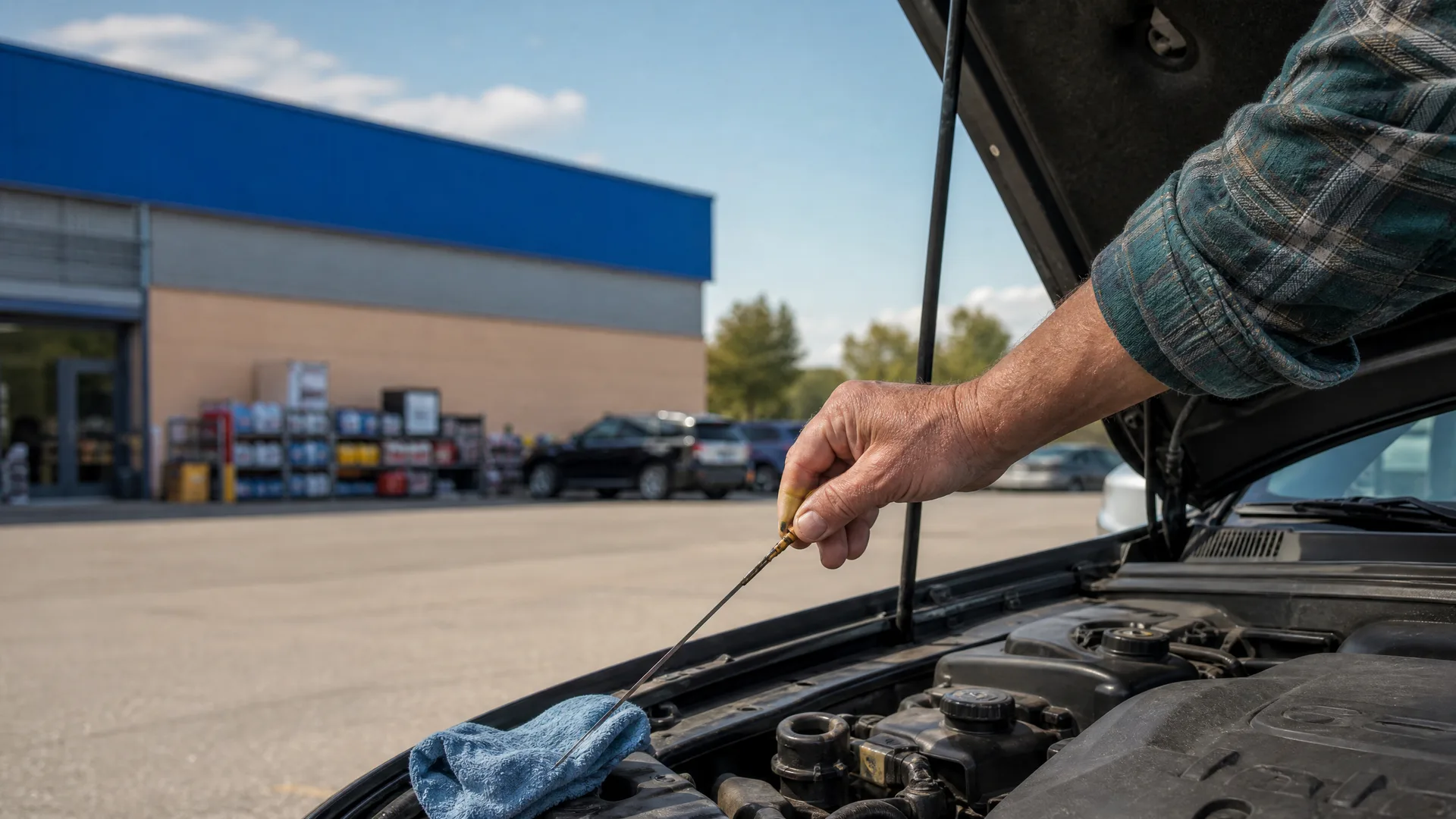
An older car that's paid off can cost much less to insure than a newer one, especially if you drop collision and comprehensive coverage once the car's value is low enough that the payout wouldn't be worth the premium.
If you're still carrying full coverage on a car worth very little, ask your agent what the car is worth and what you'd actually collect in a claim. That number tells you whether the extra coverage is worth paying for.
The type of car matters too. Repair costs, safety ratings, and how often that model is involved in claims all affect the price, separately from anything about you as a driver.
Questions people ask about this
Does car insurance go up or down after age 65?
It depends on the insurer and your own driving history, not on turning 65 itself. Some companies see experienced drivers as lower risk and price accordingly. Others pay closer attention to vision or reaction time as drivers get older. Ask each insurer you're comparing how they handle senior drivers specifically.
Can I get a senior discount on car insurance in North Carolina?
Some insurers offer one, but it isn't required by the state and isn't universal. Ask directly when you request a quote, since it won't always be listed as a separate line item. Completing an approved driving course is a more reliable way to get a reduction, and North Carolina does allow insurers to offer that one.
Will my car insurance be canceled if I fail a vision test for license renewal?
A vision test is about your license, not your insurance policy directly. Your insurer doesn't see the test result unless your license is actually restricted or revoked. If that happens, tell your insurer, since driving without a valid license can affect your coverage.
Should I drop collision coverage on an older car?
It depends on what the car is worth and what you'd receive in a claim. If the car's value is low, the payout after your deductible may be small compared to what you're paying for the coverage each year. Ask your agent for the car's current value and compare it to your premium for collision and comprehensive combined.
Does where I live in North Carolina affect my car insurance rate?
Yes, location is one of the factors insurers use, separate from age. Urban areas with more traffic and claims tend to cost more than rural ones. If you've moved recently or are considering it, ask how your new address would change your rate before you decide.
See what a few insurers would actually charge you before you renew with the one you have.
Pull out your current renewal notice and your driving record so you know what you're working with. Call your agent or insurer and ask whether you qualify for a mature driver course discount, and ask what completing the course would require. Get quotes from at least two or three other insurers using the same coverage levels you have now, so the comparison is fair. Ask each one directly about senior-specific pricing and about dropping collision or comprehensive if your car is older. Once you have the numbers in front of you, decide whether switching or adjusting your current policy makes sense.