Car Insurance on a Fixed Income in North Carolina
You can bring the cost down, but it takes asking your insurer directly about the discounts and coverage changes that fit a retired driver.
Yes, there's usually room to lower it
North Carolina doesn't have a special rate for retirees, but several things that come with retirement tend to lower what you pay. Driving less, finishing a defensive driving course, and carrying fewer miles of commute all matter to an insurer, and none of them show up on your bill automatically.
What you actually save depends on your insurer and how your policy is set up now. The only way to know what applies to you is to ask your agent directly which discounts you qualify for and whether your coverage still matches how you drive today.

How much you drive now
If you've retired, you're probably driving fewer miles than when you worked. That matters because mileage is one of the things insurers use to set your rate, and a drop in commuting miles is a real change they can act on.
Some insurers offer a lower-mileage discount, but you have to tell them your new mileage. They don't estimate it down on their own. Check your renewal notice for the mileage it lists and compare it to what you actually drive now.
If you've also stopped using the car for work, ask whether that changes how your policy classifies your driving. A policy written for a commuter and a policy written for someone who drives locally for errands aren't priced the same.
What your policy still covers
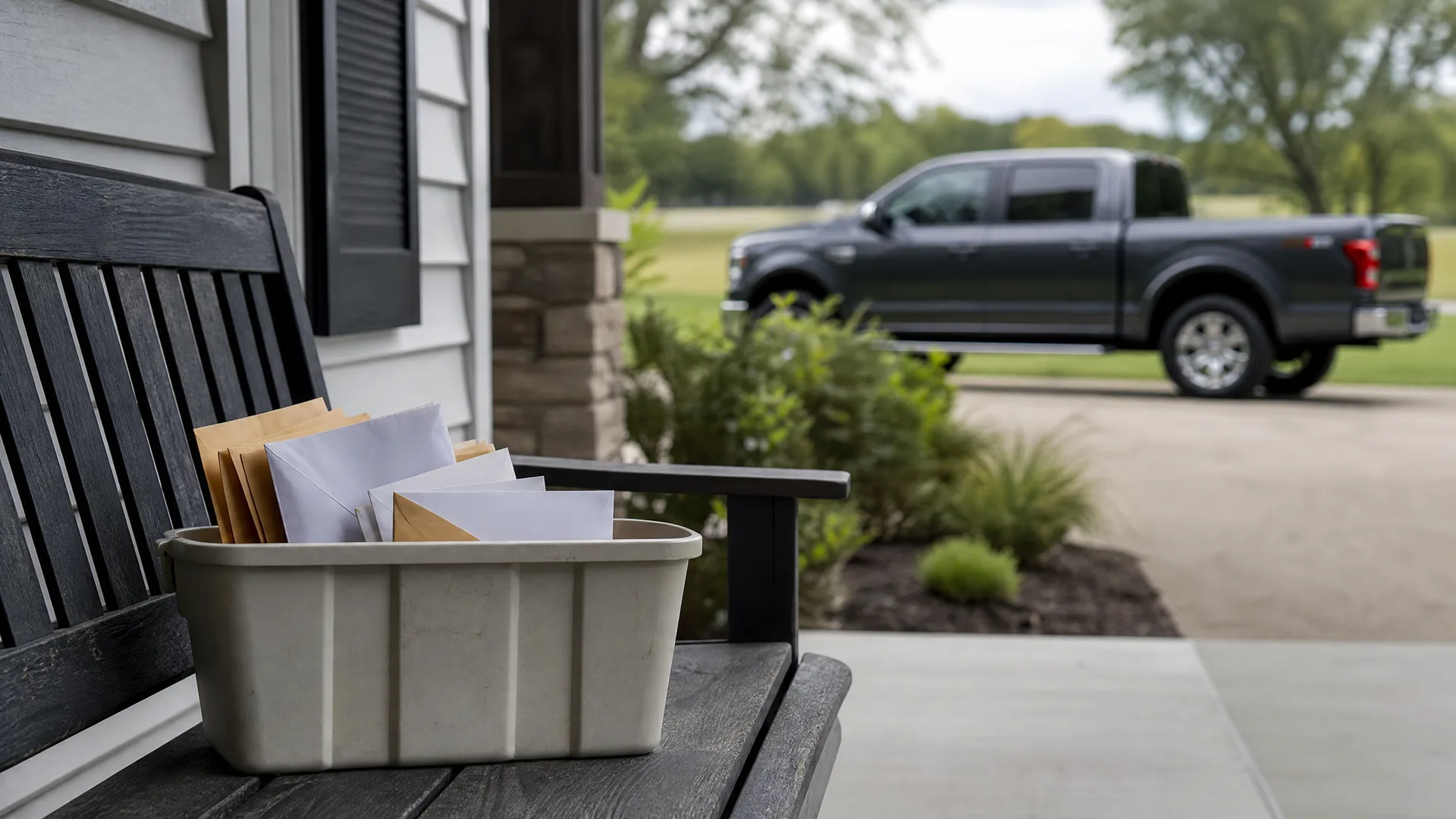
A policy built years ago may still carry coverage that made sense then and doesn't now. If you no longer have a car loan, you may not need the same comprehensive and collision limits a lender once required.
That's a decision to make carefully. Dropping those coverages lowers your premium, but it also means you'd pay out of pocket if your car were damaged or totaled. Weigh that against what the car is worth and what you could afford to replace.
It's also worth asking your insurer whether a defensive driving course brings a discount in North Carolina. Some insurers offer one, but you have to request it and send proof once you finish. The discount isn't automatic just because you took the class.
Questions people ask about this
Does North Carolina have a senior discount for car insurance?
There's no statewide senior discount set by law. Any age-related discount comes from the insurer, not the state, so ask your agent directly whether one applies to you.
Will my car insurance go up just because I'm older?
Not automatically. Insurers look at your driving record, your car, and how you use it more than your age alone. A clean record usually matters more than the number of candles on the cake.
Should I drop collision coverage if my car is paid off?
That depends on what the car is worth and what you could cover yourself if it were damaged. If the car has little resale value, collision coverage may cost more than it would pay out.
Can I lower my premium by reducing my coverage limits?
Lowering limits usually lowers your premium, but it also lowers what you'd be paid after a claim. Ask your insurer to show you the price difference at a few limit levels before deciding.
Does a defensive driving course actually lower my rate?
It can, but only if your insurer offers that discount and you send them the certificate once you finish. Ask before you take the course so you know it will count.
See what a policy built around how you drive now would actually cost.
Pull up your current policy and your last renewal notice before you call anyone. Write down your actual yearly mileage and whether you still commute. Call your agent and ask three things: whether a lower-mileage or retiree discount applies, whether a defensive driving course would lower your rate, and whether your collision and comprehensive limits still make sense for the car you drive. Then compare that quote against one or two others, since the same facts about you can price out differently at another insurer.