Car Insurance on a Fixed Income in New Jersey
You can bring the cost down, but it takes asking for specific discounts and rethinking coverage you may not need anymore.
Yes, there's real room to lower it
New Jersey doesn't offer a fixed-income discount as such, but several things that come with being retired do lower a premium, and most insurers won't apply them unless you ask.
A mature driver course, lower mileage because you're no longer commuting, and in some cases a second car that's barely driven all affect the price. What it comes down to is whether your current policy still reflects how you actually live now, or whether it's priced for the driver you were ten years ago.

How much you drive now
When you stop commuting, your mileage usually drops, sometimes by a lot. Insurers price a policy partly on how many miles a car covers in a year, and most people never update that number after they retire.
Call your insurer and ask what mileage band your policy assumes. If your real driving is lower, ask them to adjust it. Some insurers in New Jersey also offer a lower-mileage or usage-based option that tracks actual miles instead of an estimate.
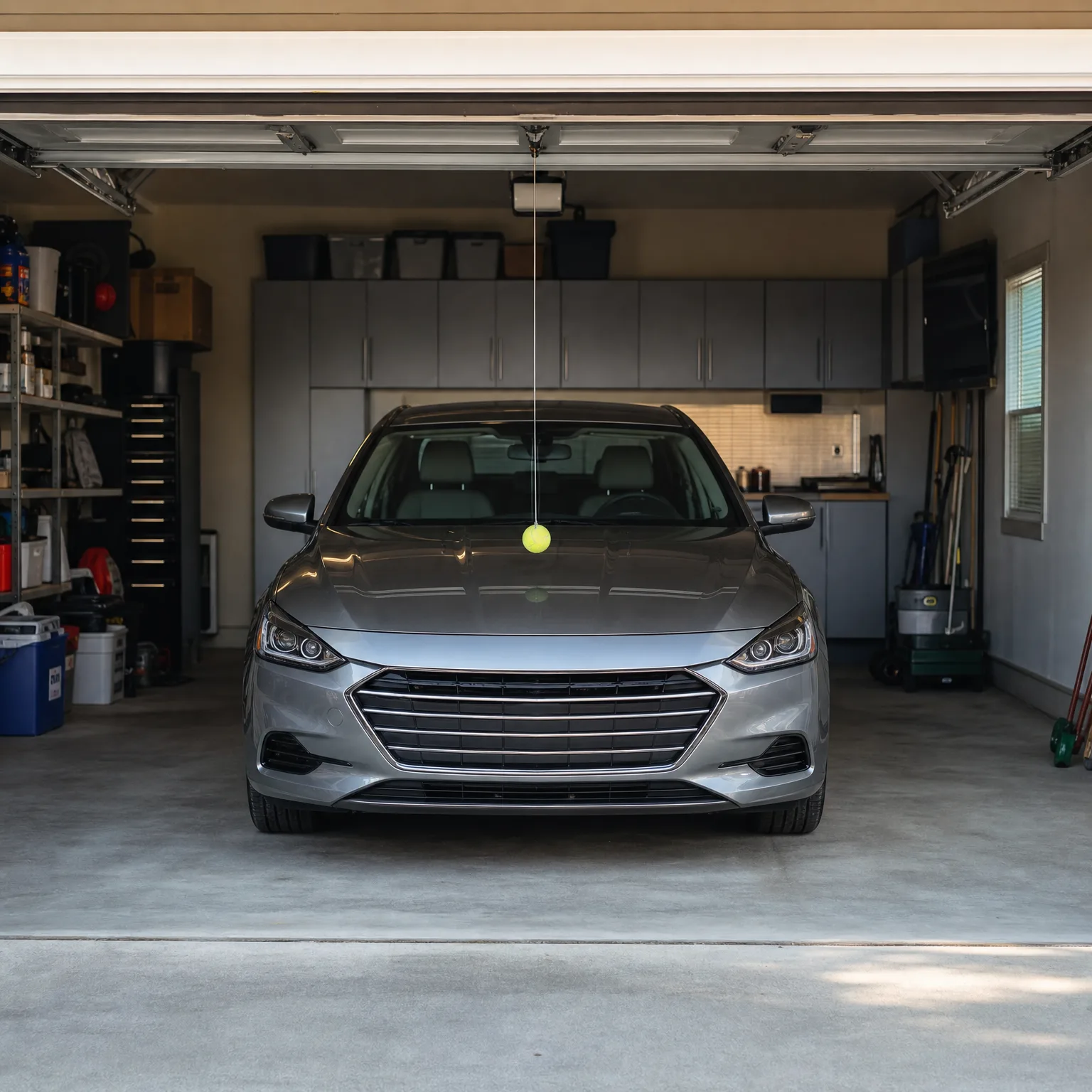
If you or your spouse still has a second car that mostly sits in the driveway, ask whether it qualifies for a reduced-use rate. The rules for that vary by insurer, so ask directly rather than assuming it applies.
None of this changes your coverage. It just means you stop paying for miles you no longer drive.
Whether your coverage still fits your car
A car's value drops every year, and at some point the cost of comprehensive and collision coverage can outweigh what you'd actually get back if the car were totaled.
Ask your insurer for your car's current market value and compare it to what you pay for that coverage each year. If the car is older and mostly paid off, dropping comprehensive or collision, or raising the deductible, can lower the premium without changing how you're protected on liability.
This is a personal call, not a rule that applies to everyone. If the car is still worth repairing after an accident, keep the coverage. If it isn't, there's no reason to keep paying for it.
A mature driver course can also lower your rate, but only if you send the completion certificate to your insurer yourself. New Jersey requires insurers to offer this discount, but they won't apply it automatically.
Questions people ask about this
Does New Jersey require a discount for retired drivers?
New Jersey doesn't have a discount based on retirement itself. What the state does require is that insurers offer a discount for completing an approved mature driver course, which is available to drivers once they reach the age the course applies to. Ask your insurer which courses they accept.
Will my rate go up once I retire even if I drive less?
It shouldn't, and if it does, it's worth asking why. Retiring usually lowers the miles you drive, which should lower or at least hold your rate steady. If your premium goes up anyway, ask your insurer what changed, since it may be unrelated to your driving at all.
Can I drop collision coverage on an older car?
You can, and many drivers with an older, paid-off car do. Whether it makes sense depends on the car's value against what you're paying for that coverage. Ask your insurer for the car's current value so you're comparing real numbers, not guesses.
Does New Jersey offer a low-mileage insurance option?
Some insurers in New Jersey offer usage-based or low-mileage policies that price coverage closer to how much you actually drive. Not every insurer offers this, so ask yours directly whether they have one and how mileage is tracked.
What happens to my insurance if I give up my car but my spouse still drives?
That depends on how your policy is set up and who's listed on it. If you're removed as a driver but keep other coverage, or if the household keeps one car instead of two, your insurer needs to know either way. Ask them how removing a driver or a vehicle changes the policy, since it isn't always a simple subtraction.
See what a policy built around how you drive now actually costs.
Pull your most recent renewal notice and check the mileage estimate it's based on. If it doesn't match how much you actually drive, call your insurer and ask them to correct it. Ask at the same time whether you qualify for a mature driver course discount and what course they accept. If your car is older, ask for its current value so you can decide whether collision and comprehensive still make sense. Have your driving record and the car's year and mileage ready before you call, since most of these questions get answered faster with that in hand.