Car Insurance on a Fixed Income in Arizona
You can lower what you pay without dropping the coverage that protects your savings, but it takes asking your insurer the right questions.
Yes, there's usually room to lower your bill
Arizona drivers on a fixed income have more ways to cut their premium than most people realize, because age and driving history both work in their favor with most insurers. A clean record built up over decades is worth asking about directly, since not every company applies the same discount for it automatically.
What you can save depends on your insurer, your car, and how you use it now. Someone who drives less in retirement than they did while working has a real case for lower coverage limits on comprehensive or collision, or for dropping it if the car's value has dropped too. The answer isn't the same for everyone, but the path to it is: call your insurer and ask what changed about your situation that they haven't priced in yet.

How much you still drive
Insurers price a policy partly on expected mileage, and retirement often changes that mileage a lot. If you're not commuting anymore, say so. Some insurers have a lower-mileage rate or a usage-based program that tracks actual miles and prices accordingly.
This matters most for collision and comprehensive coverage, since those are priced against how often the car is on the road and how likely it is to be in an accident. If you're driving a fraction of what you used to, ask your insurer whether your mileage estimate on file is current.
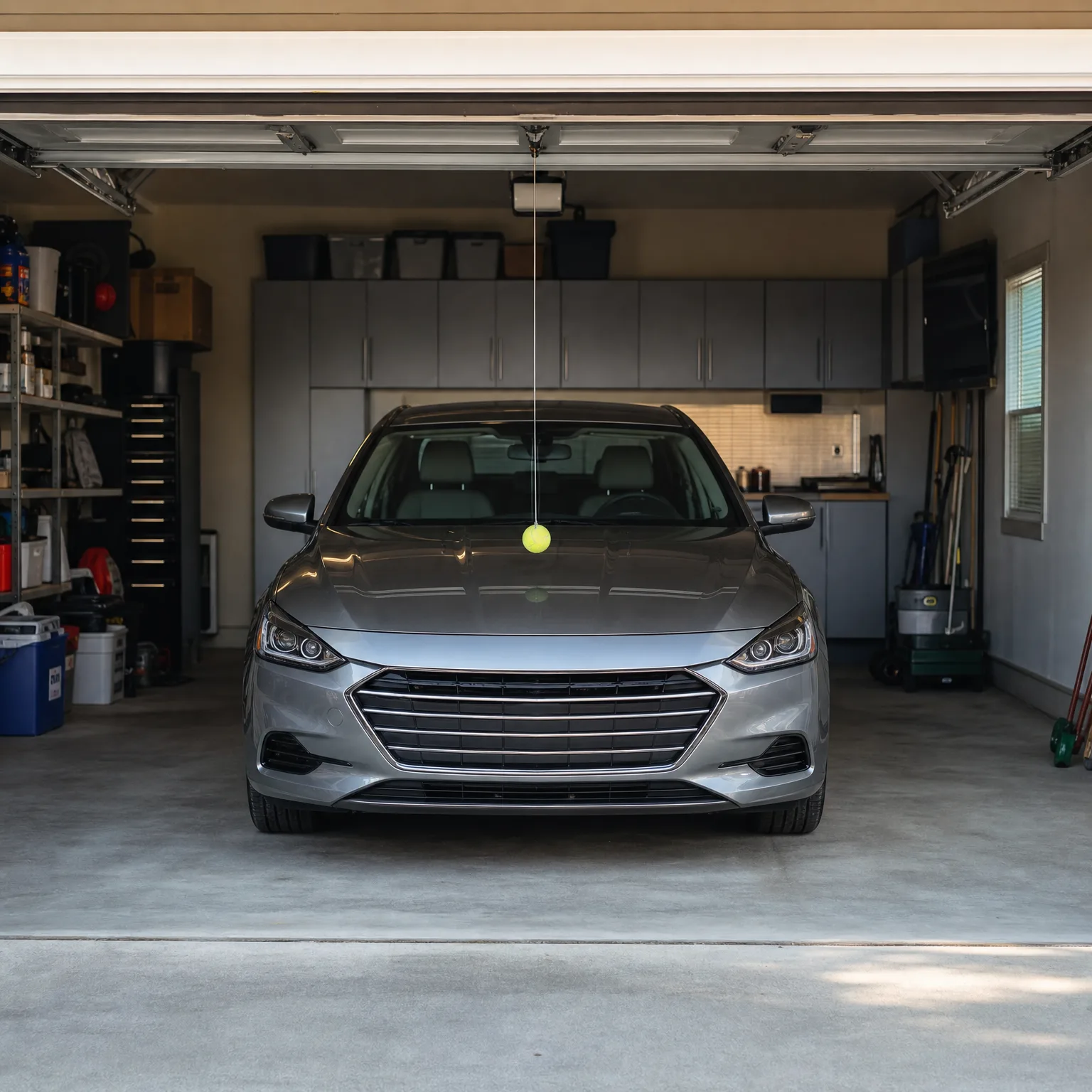
It also affects whether a second car is worth keeping insured at all. A car that sits in the garage most days still costs something to cover, and some households on a fixed income find they're paying full price for coverage they barely use.
What counts as low mileage and what discount applies to it varies by company, so ask your own insurer for their number, not a guess from anyone else.

Whether you've taken a mature driver course
Arizona allows insurers to offer a discount for completing an approved mature driver course, but the insurer has to apply it, and that doesn't happen automatically. You take the course, you get a certificate, and then you have to send that certificate to your insurer yourself.
Not every insurer offers this discount, and the ones that do may set their own rules for how often you need to retake the course to keep it. Ask your insurer directly whether they offer it, which courses they accept, and how long the discount lasts before you need to renew it.
If you've already taken a course for a different reason, a DMV requirement or just out of habit, check whether you ever sent in the certificate. It's common to take the course and then never collect the discount because that second step gets missed.
Questions people ask about this
Can I drop collision coverage on an older paid-off car?
You can, and many drivers on a fixed income do once a car's value drops low enough that the payout wouldn't cover much. Check your car's current value against what you're paying for collision and comprehensive combined, and ask your insurer what the payout would actually be if the car were totaled.
Will my rate go up just because of my age?
Age alone isn't the deciding factor insurers use, but some insurers do adjust rates differently for older drivers depending on their claims data. If your rate went up at renewal, ask your insurer what specifically changed, since it may be your rate tier, your car's value, or something else entirely, not your birthday.
Does Arizona require a vision test to renew my license at a certain age?
Arizona does have rules that change how you renew a license as you get older, including vision testing requirements, but the exact ages and intervals are set by the Arizona Department of Transportation. Check directly with MVD for the current rule rather than relying on what applied in past years.
Can I switch insurers without a gap in coverage?
Yes, if you time it right. Line up your new policy's start date with the end date of your current one, and don't cancel the old policy until the new one is confirmed active, since a lapse in coverage can itself raise what you pay next time.
Is it worth bundling home and auto insurance on a fixed income?
It can lower your total cost, but only check this against what each policy would cost separately, since bundling discounts vary by insurer and sometimes the separate policies are still cheaper. Ask for both quotes side by side before deciding.
See what a few Arizona insurers would actually charge you now, with your current driving and your record as they stand.
Pull your most recent renewal notice and your driving record, and call your current insurer to ask what discounts you qualify for that aren't already applied, including any mature driver course discount and any low-mileage adjustment. Ask what your car's actual cash value is and whether dropping collision or comprehensive makes sense at that value. If you've taken a mature driver course in the past few years, check whether you ever sent in the certificate. Then compare what your current insurer offers against quotes from a couple of others before your renewal date, not after, since switching is easier while your current policy is still active.