Can I Afford to Keep a Car on Social Security
Most of the time it comes down to what the car costs beyond the payment, not the payment itself.
It depends on what you're counting, not just the premium
A lot of people run this question on insurance alone and miss the bigger costs. Insurance is usually one of the smaller pieces. Fuel, maintenance, repairs, and registration together often outweigh it, especially on an older car that needs more work to stay running.
The honest way to answer it is to add up everything you spend on the car over a full year, including the months nothing goes wrong, and compare that to what's left after your fixed expenses. If that number is thin, the car is the thing to look at closely, not just the insurance bill.
What the car itself costs you
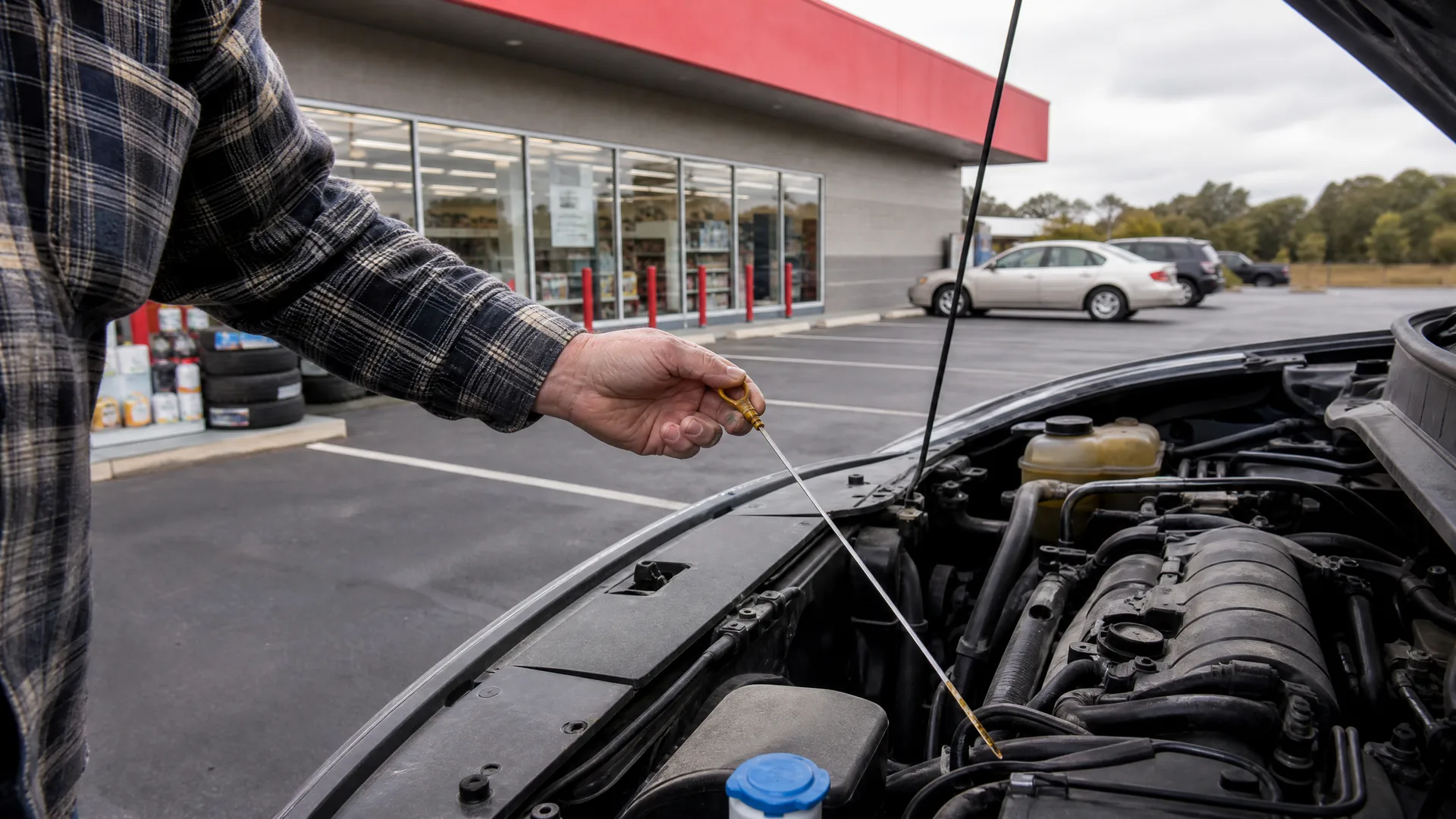
The car you drive matters more than your age does. An older car with no loan payment can still cost more to keep running than a newer one, once you count repairs. Parts wear out, and a car past a certain age tends to need brake work, belts, or a battery more often than people expect.
Insurance follows the same pattern. A car worth less may not need full coverage at all, and dropping collision and comprehensive on a low-value car can lower your premium by a real amount. Call your insurer and ask what the car is worth and what it would cost to insure with liability only.
Gas is the other piece people underestimate. If the car sits most days and only comes out for errands and appointments, your fuel cost is probably lower than you think. If you're still driving distances regularly, run the math on what a tank costs you in a month.
Registration and any state inspection or emissions fee are fixed costs you can look up directly. They don't change with how much you drive, so they're worth knowing exactly rather than guessing.
What discounts can actually move the number
Insurers in most states offer a lower rate to drivers who complete an approved defensive driving course, and the discount can be meaningful if your insurer applies it. It isn't automatic. You have to send the completion certificate to your insurer yourself, and some insurers only apply it after you ask.
Low mileage is another one worth asking about directly. If you're driving less than you used to, your insurer may have a lower-mileage rate that you don't get unless you tell them your actual annual mileage.
Bundling your auto policy with a homeowners or renters policy, where you have one, often brings the rate down further. It's worth asking your current insurer what the bundled rate would be, since the discount varies by company.
None of these show up on their own. Your insurer isn't going to call and tell you about a discount you qualify for. The only way to know what applies to you is to ask, and to ask again at renewal since eligibility can change year to year.
Questions people ask about this
Is it cheaper to drop a car and rely on rides instead?
It depends on how often you'd need to go somewhere and what rides cost in your area. Add up what a month of rideshare or taxi trips would run for your actual errands and appointments, then compare that to your full cost of keeping the car, including insurance, gas, maintenance, and registration. For some people the car is still cheaper. For others, especially if they drive rarely, it isn't.
Does my insurance go up or down as I get older on a fixed income?
It depends on your insurer and your driving record, not on income. Insurers price by risk, and risk factors include your driving history and the car you drive, not how you pay for things. If your rate went up at renewal, ask your insurer directly what changed, since it may be unrelated to your age.
Should I switch to liability only to save money?
It depends on what your car is worth. If the car's value is low enough that a payout for a total loss would be small, paying for collision and comprehensive coverage may cost more over time than the coverage would ever pay out. Ask your insurer for the car's current value and what you'd save by dropping to liability only, then decide.
Can I get a senior discount on car insurance just for my age?
Some insurers offer a discount tied to age alone, but it isn't universal and isn't large where it exists. The bigger savings usually come from a driving course completion, low mileage, or bundling policies. Ask your insurer directly which discounts they offer and whether age is one of them.
What happens to my insurance if I stop driving but keep the car?
You still need to insure a car that's registered, even if it sits most of the time, but some insurers offer a reduced rate for very low mileage or stored vehicles. Ask your insurer what's required if the car is rarely driven and whether a parked-car or reduced-use policy applies in your state.
See what a policy built around how little or how much you actually drive would cost.
Pull your last twelve months of car expenses together, including gas, repairs, registration, and your insurance bill, and add them up as one number. Call your insurer and ask three things: what the car is currently worth, what liability-only coverage would cost, and what discounts you qualify for right now. If you've taken a defensive driving course, confirm they have your certificate on file. Then compare your total yearly cost against what's left after your fixed monthly expenses, and decide from the real number rather than the monthly payment alone.