Is It Cheaper to Insure an Older Car
An older car usually costs less to insure, mainly because there's less value left to protect.
Usually, yes, but it depends on what coverage you're carrying
An older car is generally cheaper to insure than a new one. Insurers price comprehensive and collision coverage against what your car is worth, and an older car is worth less, so a claim costs the insurer less to pay out.
The savings show up mainly if you're still carrying full coverage. If you've already dropped comprehensive and collision, as many people do once a car's value drops low enough, the age of the car stops mattering much. At that point your rate is driven by liability coverage, and liability pricing has more to do with you than with the car.
Whether you still carry comprehensive and collision
This is the coverage tied to your car's value, so it's where an older car actually saves you money. Check your policy or your last renewal notice to see if you're carrying both.
Some lenders and leases require comprehensive and collision for as long as you're financing the car. Once it's paid off, you get to decide whether to keep that coverage.
If your car is old enough that it wouldn't cost much to replace, comprehensive and collision may cost more over a year than the car is worth if it were totaled. That's worth working out with your agent, not guessing at.
If you do drop that coverage, your premium should drop with it, often by more than the car's age alone would have saved you.
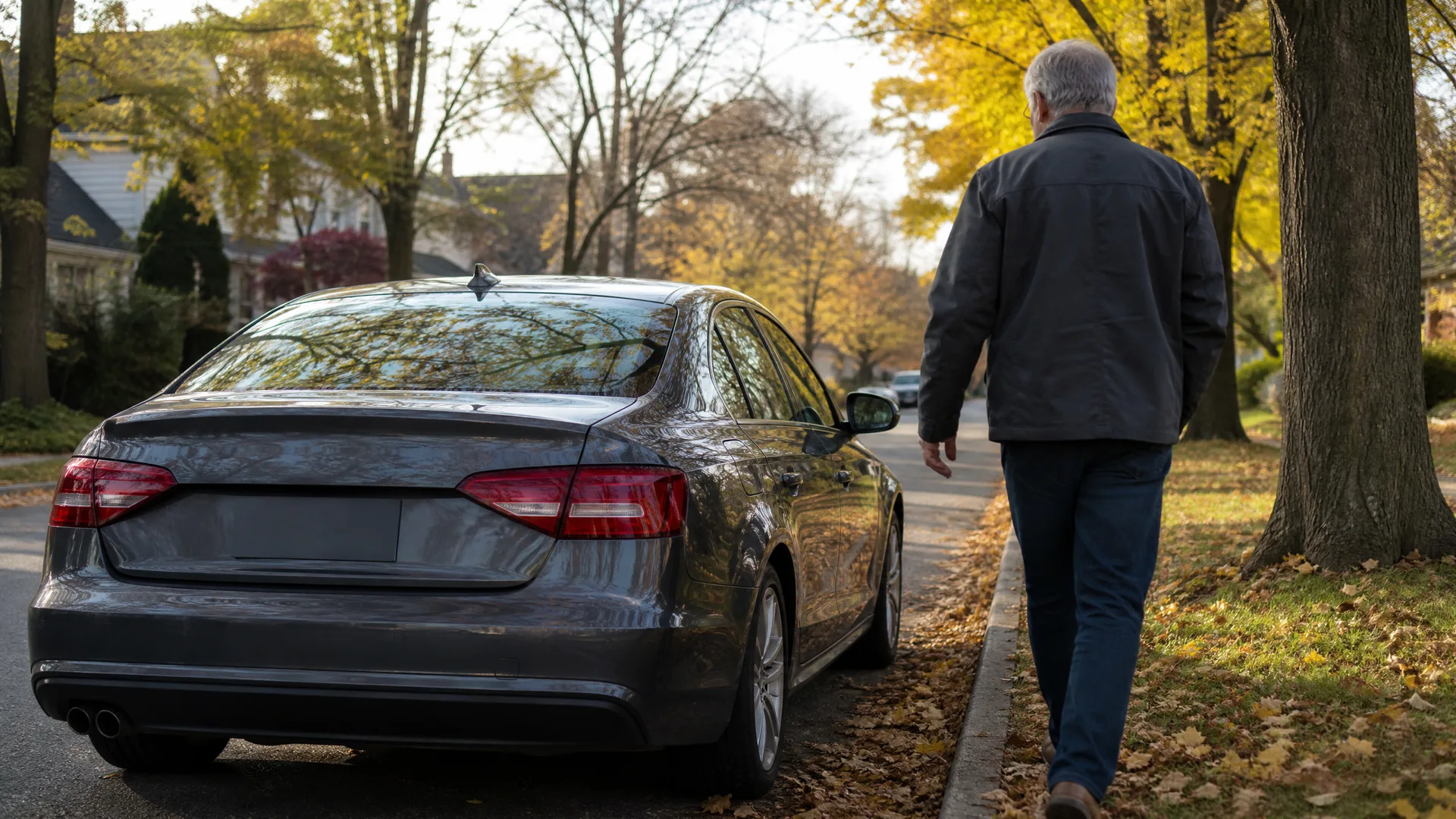
Your driving record and how your insurer rates age
Even on an older car, your record still sets most of your rate. A clean record keeps you in a lower pricing tier no matter what you drive.
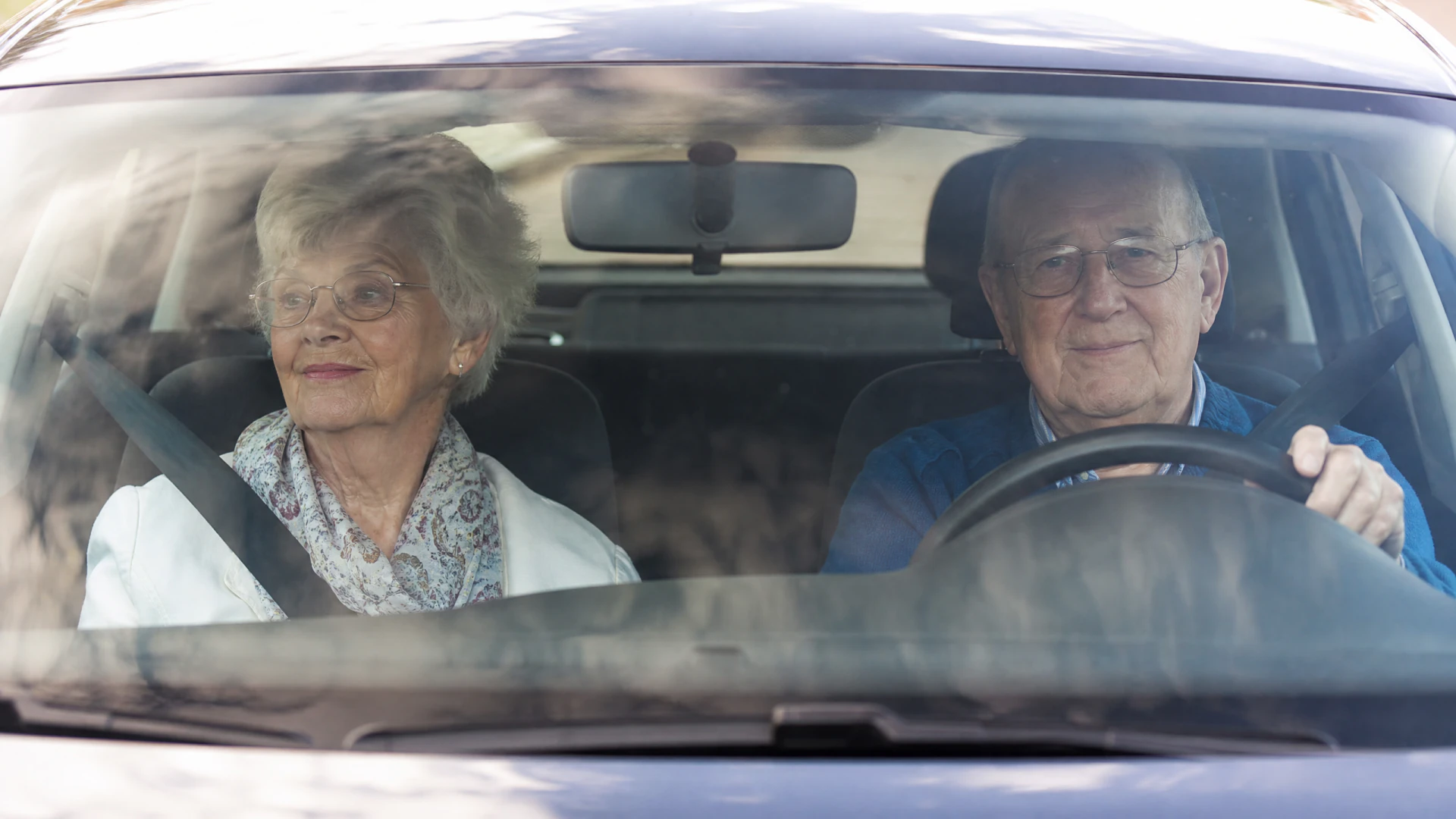
Some insurers also price differently for older drivers, separate from the car. A few offer a lower rate once you've completed an approved driver safety course. Ask your insurer whether they recognize one, and if so, send them the certificate yourself once you finish it.
State rules on licensing, like whether a vision test or renewal exam applies at a certain age, don't set your insurance rate directly. But insurers sometimes ask about recent test results or restrictions on your license, so it's worth knowing what your state requires and keeping your license current.
An older car with a clean record and a course certificate on file is usually the cheapest combination available to a driver your age.
Questions people ask about this
Does dropping collision coverage save a lot of money?
It depends on the car and the insurer, but it's often the single biggest change you can make to an older car's premium. Ask your insurer for a quote with and without it so you can compare the actual numbers for your car.
If your car is financed, check your loan terms first, since many lenders require it.
Is it cheaper to insure a car I own outright than one I'm financing?
Usually, yes, mainly because you're free to drop coverage a lender would have required. Financed cars typically need comprehensive and collision for the life of the loan.
Once the loan is paid off, ask your insurer to review your policy and see what you can safely remove.
Do older cars cost less to insure because they're safer or because they're worth less?
It's almost entirely about value, not safety. Comprehensive and collision claims are capped at what the car is worth, so an older car costs the insurer less to pay out.
Liability coverage, which pays for damage to others, isn't affected by your car's value at all.
Will my rate go up again if I replace an older car with a newer one?
Likely yes, especially if you add comprehensive and collision back for the new car. The new car's value becomes the basis for those premiums again.
Ask your insurer for a quote before you buy, so you know what to expect.
Should I get a new quote before my renewal if my car just got older?
It's worth asking, since some insurers reassess a car's value automatically and others don't. A quick call or online check can tell you whether your current insurer adjusts for this or whether you'd do better shopping around.
See what insuring your car costs with other companies before your renewal comes due.
Pull out your current policy and check whether you're still carrying comprehensive and collision coverage. Look up what your car is worth now, using a trade-in or private-sale estimate, and compare that to what you'd pay in premiums for that coverage over a year. Call your insurer and ask directly whether dropping that coverage makes sense for a car this age, and whether they offer any discount for a driver safety course. If you finished a course recently, send them the certificate yourself rather than assuming it was applied automatically. Then get a quote from at least one other insurer so you know whether your current company's pricing is still competitive for an older car.