How to Save on Gas as a Senior
The biggest savings come from how and when you drive, not from any one trick at the pump.
Drive less and drive smarter
You save the most on gas by combining trips, driving at steadier speeds, and keeping your car in good repair. None of these require buying anything new.
Fuel economy drops when a car sits in stop-and-go traffic or runs on underinflated tires or a dirty air filter. A senior who no longer commutes has more freedom to pick the time of day and the route, which makes a real difference over a month of driving.
How often and how far you drive
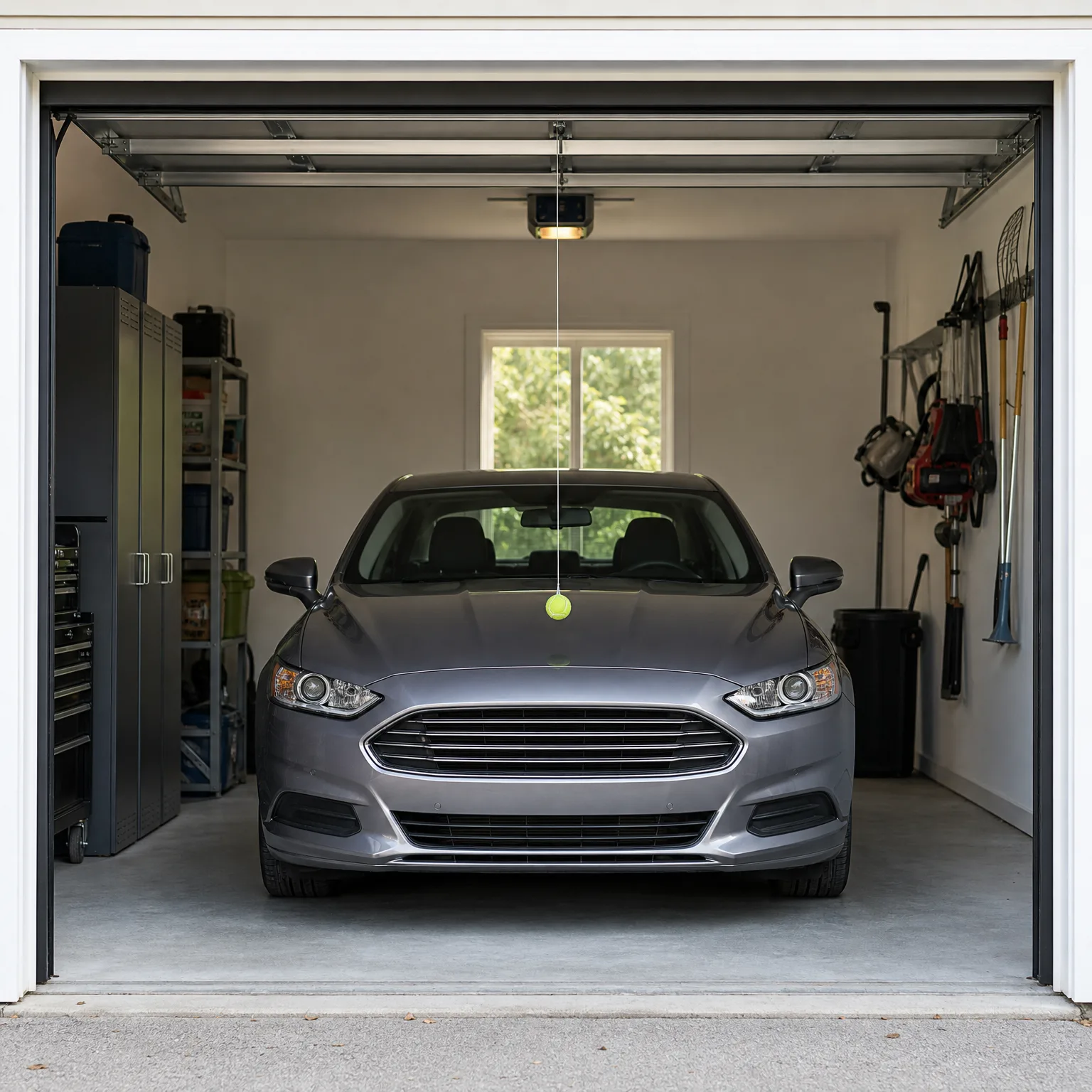
Someone who retired and cut their weekly mileage will already see lower fuel costs without changing anything else. If you're still driving a regular commute or long errands routine, look at whether trips can be combined.
Running five short errands on five separate days costs more in gas than running them all in one loop, because a cold engine uses more fuel in the first few minutes than one that's already warm.
If you've started driving less in retirement, tell your insurer. Many offer a lower rate for low annual mileage, and that's worth asking about even though it won't show up at the gas pump itself.
Planning routes to avoid left turns across traffic, construction, or steep grades also helps, since idling and hard acceleration burn more fuel than steady highway speed.
The car itself
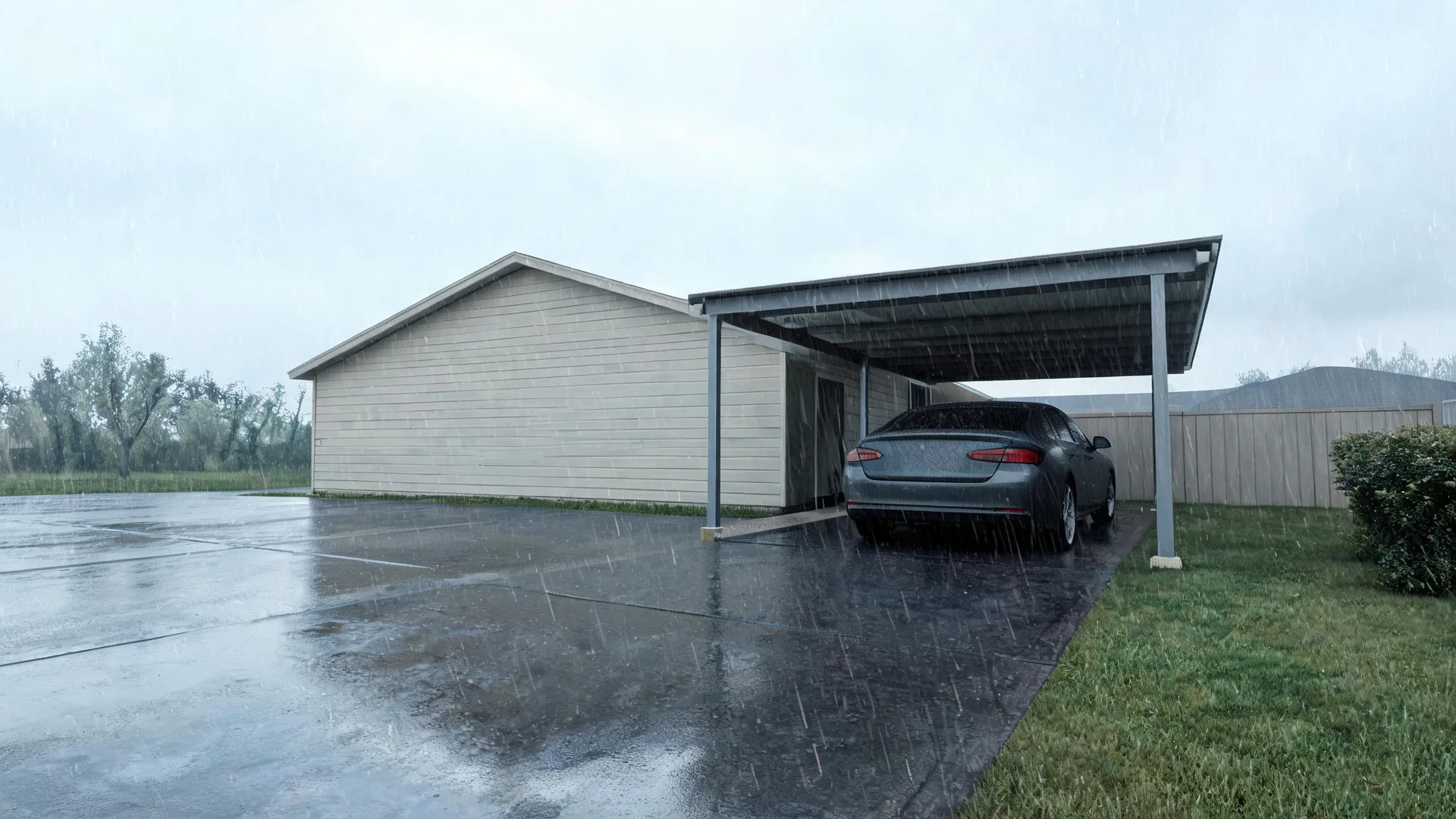
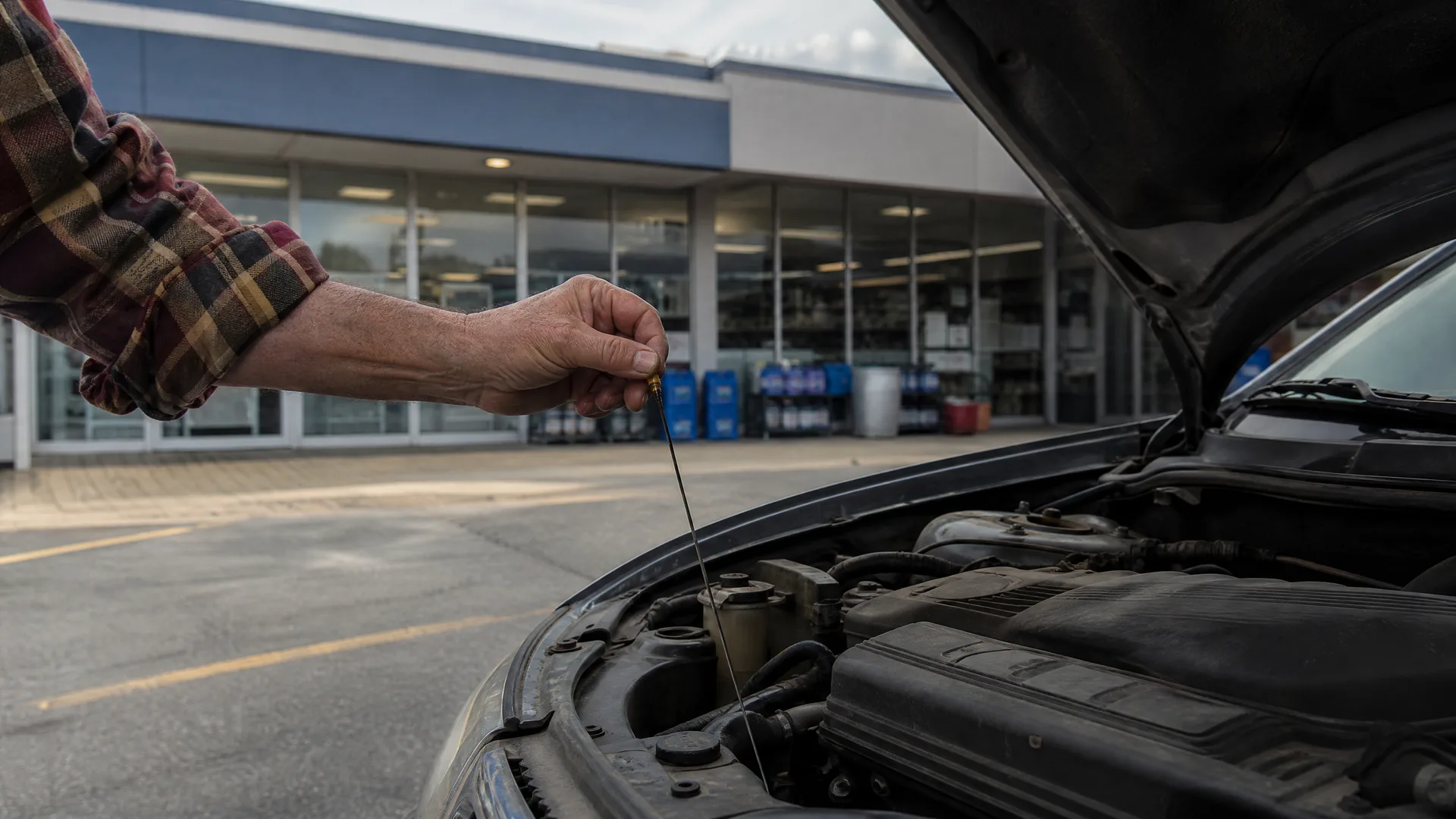
An older car with worn tires, a clogged air filter, or a check engine light left unaddressed will burn more gas than the same car in good repair. A tune-up pays for itself at the pump over time.
If you're considering a different car, a smaller or hybrid model will use less fuel per mile than a larger SUV or truck, though the right choice also depends on what you need to carry and how you drive.
Tire pressure matters more than most people think. Tires that run low reduce fuel economy and wear out faster. Checking them monthly costs nothing and takes a few minutes.
Some grocery and warehouse stores offer fuel discounts tied to a loyalty card or membership. If you already shop somewhere that offers this, it's worth asking whether you're enrolled.
Questions people ask about this
Do gas stations give senior discounts?
Some do, but it isn't standard the way it is at restaurants or movie theaters. A few regional chains or local stations may offer one, so the only way to know is to ask at stations you use regularly or check their website.
Does slower driving actually save gas?
Yes, within reason. Fuel economy typically peaks at moderate highway speeds and drops off as speed increases beyond that, because wind resistance rises sharply. Driving the speed limit rather than well above it is usually the more efficient choice.
Is it worth switching to a hybrid car as a senior?
It depends on how much you drive and how long you plan to keep the car. Hybrids cost more upfront but use less gas, so the savings build up faster for someone who drives often. For someone driving very little, the upfront cost may take longer to recover.
Does keeping the AC off save gas?
At low speeds it can help a little, since the AC compressor draws power from the engine. At highway speeds, open windows create drag that can offset any savings, so the difference is small either way.
Should I switch insurers if I'm driving less in retirement?
It's worth checking, since many insurers price policies partly on expected annual mileage. If your driving has dropped significantly, ask your current insurer whether that's reflected in your rate, and compare what other insurers would offer for the same mileage.
If driving less has changed what you need from your car insurance too, it's worth seeing what else is out there.
Start by checking your tire pressure and getting any overdue maintenance done, since both affect fuel economy right away. Look at your weekly errands and see which ones can be combined into fewer trips. Ask any grocery or warehouse store you use regularly whether they offer a fuel discount program. If your annual mileage has dropped since retiring, call your insurer and ask whether that lowers your rate. Keep a rough log of your gas spending for a month so you can tell whether these changes are making a real difference.