How Seniors Can Lower Car Insurance in Vermont
The biggest savings come from the mature driver discount, comparing insurers at renewal, and making sure your policy still fits how you actually drive.
Yes, and a few specific steps make the difference
A Vermont driver in their senior years has more ways to lower a car insurance bill than most other drivers, but the savings don't happen automatically. The insurer has to be told about the course certificate, the lower mileage, the car that's paid off. None of that applies itself at renewal.
The two biggest levers are a completed mature driver course, which many Vermont insurers will discount for, and shopping the policy against other insurers rather than letting it renew untouched. What each insurer offers and how much it's worth depends on the company, so the only way to know what you'd actually save is to ask directly or compare quotes.
Your driving record and course completion matter most
Insurers set rates for older drivers based on the same thing they use for everyone: the record. A clean record over recent years carries more weight than age by itself. If there's been a ticket or a claim, that will likely matter more to the quote than a birthday.
A mature driver course, sometimes called a defensive driving course for older drivers, is one of the few things a senior can do that an insurer will often recognize with a discount. The course itself doesn't lower anything. The certificate has to be sent to the insurer and applied to the policy, and some companies require it be renewed every few years to keep the discount active.
Worth checking is whether Vermont requires any vision or road test at renewal for drivers past a certain age. That's a state rule, and it changes periodically, so the DMV is the place to confirm current requirements rather than assuming last year's rule still applies.
If a recent letter from the DMV mentioned a test or a document needed to renew a license, that should get handled first. A lapsed license complicates insurance in ways a clean record doesn't.
How much the car gets driven changes the price too
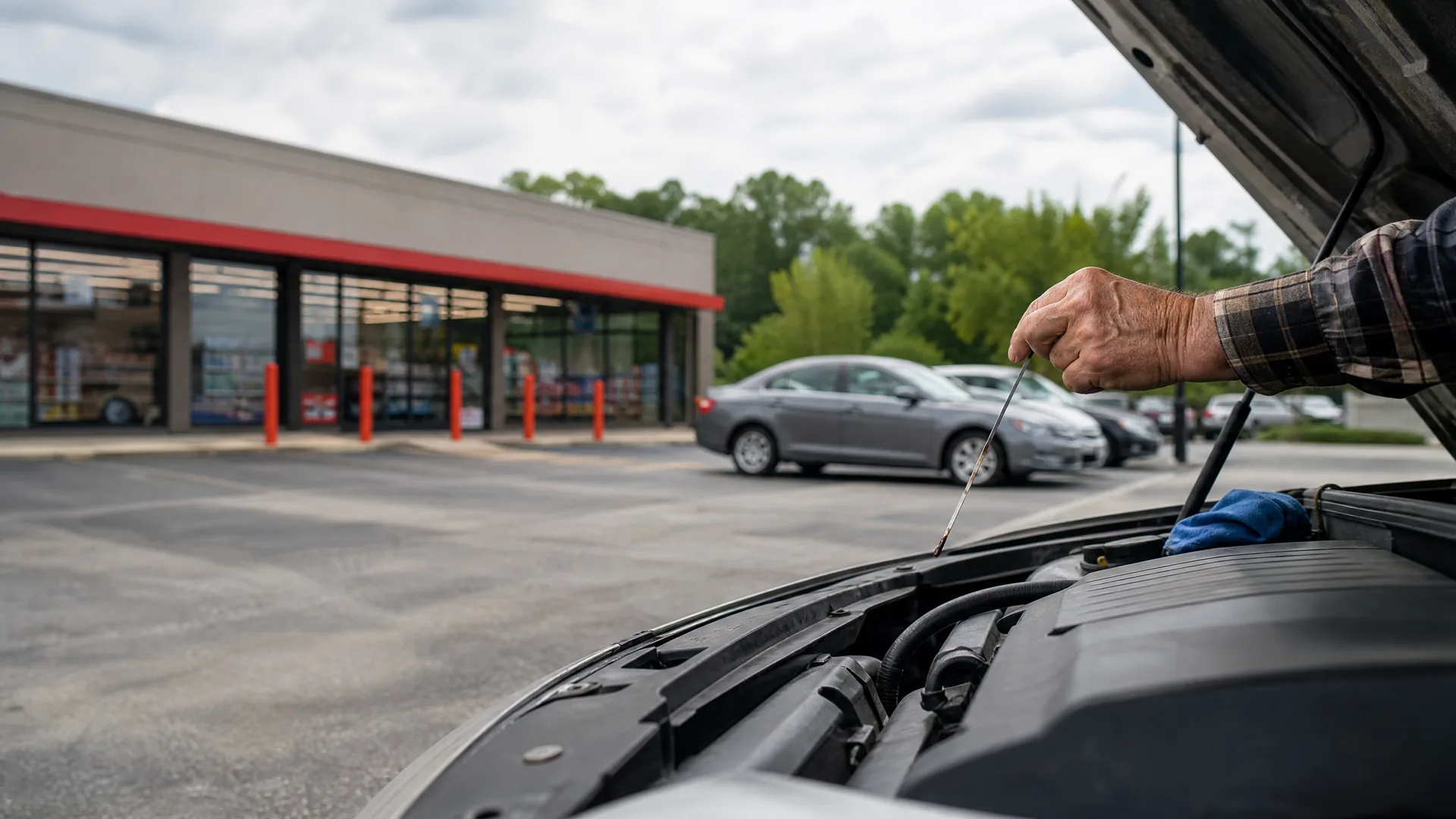
Many senior drivers put fewer miles on their car each year than they used to, whether that's from retirement, fewer errands, or driving less at night. Insurers have mileage brackets, and dropping into a lower one can lower the premium, but only if the insurer knows about it. The number on file is often an old estimate from years back.
It's worth asking the insurer directly what mileage is currently on the policy and whether it reflects how the car is driven now. Some insurers also offer a separate low mileage or occasional driver discount that isn't automatic.
Bundling the auto policy with a home or renters policy is another place insurers differ a lot. One company might offer a meaningful discount for having both policies with them. Another might not. That's a question worth asking when comparing quotes rather than assuming the current insurer already applies the best version of it.
The car itself matters too. An older, paid-off car often needs less coverage than a newer one with a loan on it. Dropping collision or comprehensive on a car worth little can lower the bill, though that's a decision to make with the car's actual value in mind, not just its age.
Questions people ask about this
Does Vermont require a vision test for older drivers to renew a license?
This is set by the Vermont DMV, not by insurers, and the rule can change. The DMV's renewal notice or website will say what's currently required for the reader's age group, and that's the place to confirm it rather than going by what a friend or an old notice said.
Will my car insurance go up automatically once I turn a certain age?
Not automatically in the way a ticket raises it. Insurers price age as one factor among many, and some actually lower rates for older drivers with clean records, since age data shows more experienced drivers often have fewer claims. The size of any change depends entirely on the insurer's own rules, which is why comparing companies matters more at this stage than at almost any other time.
Can I stay with my current insurer and still get senior discounts?
Usually yes, but the insurer won't apply a discount it doesn't know applies. A phone call or a note on the online account asking whether a mature driver course discount, low mileage discount, or bundling discount is being applied is the only way to know for sure what's currently on the policy.
What happens to my insurance if I stop driving or give up my license?
The policy doesn't end on its own. If a car is no longer being driven at all, the insurer needs to be told, since leaving a policy active on an unused car means paying for coverage that isn't needed. Options like reducing coverage to comprehensive only, for a car that's stored but not driven, are worth asking about directly.
Is it worth taking a defensive driving course more than once?
That depends on the insurer's rules, since some require the course be retaken periodically to keep the discount, while others apply it once and leave it on the policy. The only way to know is to ask the current insurer how long their course discount lasts and whether it needs renewing.
See what other insurers would charge for the same coverage before this policy renews.
Pull the most recent renewal notice and find the mileage estimate and any discounts currently listed on it. Call the insurer and ask directly whether a mature driver course certificate, if one's been completed, has been applied, and whether bundling or low mileage discounts are available. If the course hasn't been taken yet, Vermont's DMV or AARP can confirm which courses insurers in the state typically recognize. Once that information is in hand, compare the renewal price against quotes from a few other insurers, since what one company discounts heavily, another may barely offer at all.