How Seniors Can Lower Car Insurance in Kansas
The clearest way to lower your rate is to shop it against other insurers, since Kansas lets each one weigh your age and driving record differently.
Shop your policy, and ask about the mature driver discount
Kansas does not set one senior discount that every company offers. Each insurer decides on its own how much weight to give your age, your driving record, and the mature driver course if you take one. That means the same driver can get very different quotes from different companies, so the fastest way to lower your rate is to get quotes from several insurers and compare them side by side.
A mature driver course is the other piece worth asking about. Many Kansas insurers lower your rate once you complete one, but they lower it because you sent them proof, not because you sat in the class. If your current insurer offers this discount, ask what the course needs to cover and how to submit the certificate.
Your driving record still carries the most weight
Age alone doesn't raise or lower your rate. What matters is the record attached to your license. A long history with no tickets or claims works in your favor no matter how old you are, and insurers price it that way.
If you've had a recent ticket or an at-fault claim, that will affect your rate more than your birthday does. Ask your insurer how long a violation stays on your record for pricing purposes, since that varies by company and by the type of violation.
If your record is clean, make sure every insurer you ask for a quote knows it. Some pull your motor vehicle record directly, others ask you to report it, and a quote based on incomplete information isn't one you can compare fairly.
If you've had a recent change in your health or vision that affects your driving, some insurers ask about that directly. Answer honestly. A policy built on inaccurate information can be a problem later if you ever need to file a claim.
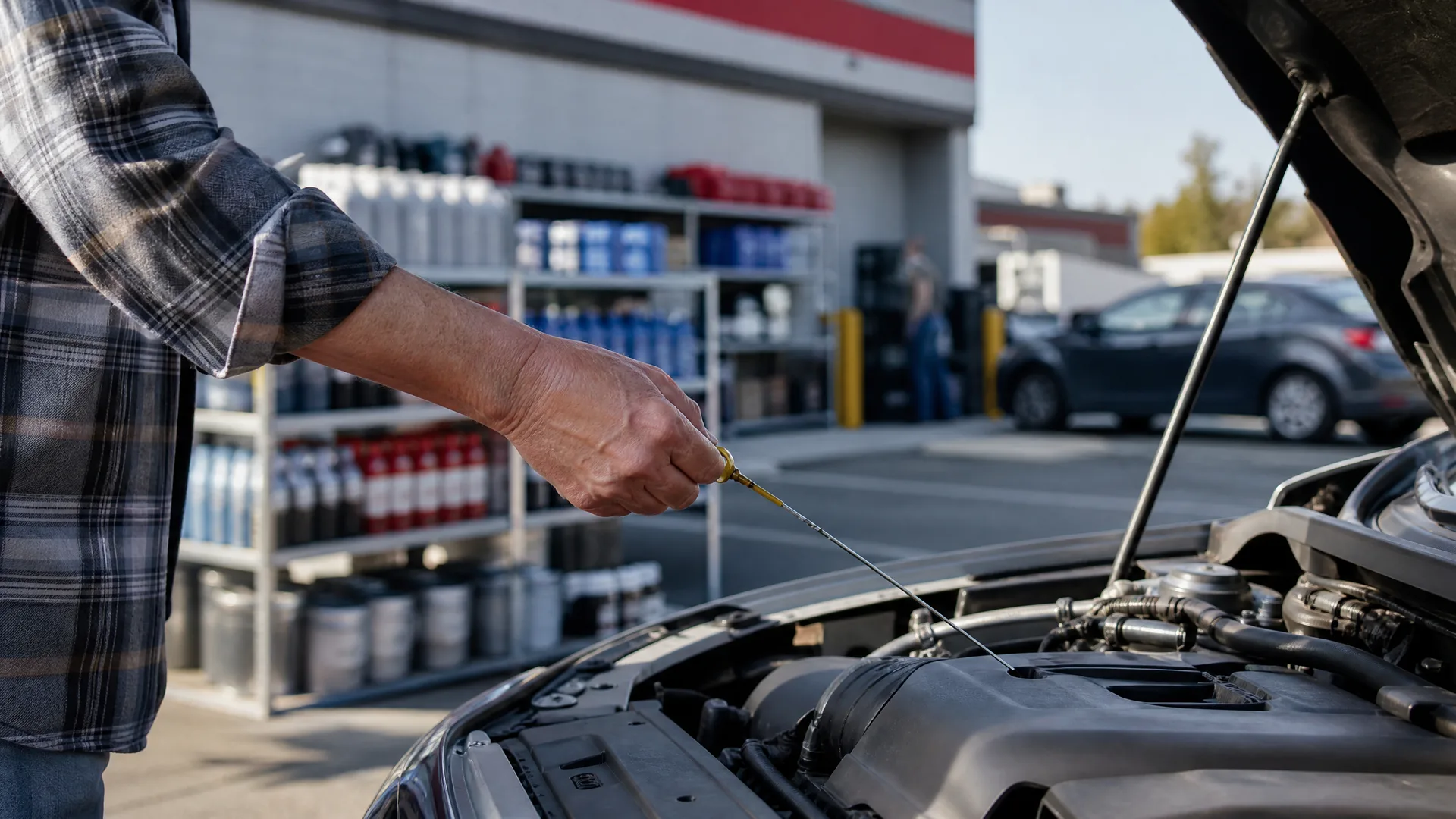
The car you drive changes what you pay
An older car that's paid off often costs less to insure than a newer one, partly because you may only need liability coverage instead of full coverage. Ask your insurer what coverage your lender or lease actually requires, if any, and what you'd save by dropping collision or comprehensive on a car that's fully owned.
Safety features matter too. Cars with modern collision avoidance systems or automatic emergency braking sometimes qualify for a separate discount, on top of anything tied to your age or driving record. Ask whether your current car qualifies.
If you're driving less than you used to, perhaps because you've retired or cut back on long trips, ask your insurer about a low mileage discount. Some companies offer this and some don't, and it's worth asking rather than assuming it doesn't apply to you.
Questions people ask about this
Does Kansas require a vision test to renew a driver's license at a certain age?
Kansas sets its own renewal rules for vision testing and how often you need to renew in person, and those rules can depend on your age. Check with the Kansas Division of Vehicles for the current renewal schedule and vision requirements that apply to you.
Will my car insurance go up automatically once I turn a certain age?
Not automatically. Insurers look at your full record, not just your birthday, and many senior drivers see no change in their rate at all. If your premium rises at renewal, ask your insurer directly what changed in their pricing rather than assuming it's tied to your age.
What does a mature driver course for insurance discounts actually involve?
It's typically a short classroom or online course covering safe driving practices for older adults. Ask your insurer which courses they accept before you sign up, since not every course qualifies for every company's discount.
Can I keep my current insurer and still get a lower rate as I get older?
Sometimes, if you ask. Insurers don't always apply new discounts to existing policies without a request, so call your current insurer and ask what discounts you may now qualify for, including any for course completion or reduced mileage.
Should I drop collision coverage once my car is paid off?
That depends on the car's value and what you could afford to replace it with out of pocket. Ask your insurer what collision coverage costs you each year compared to what the car is worth, and decide from there.
See what other insurers would charge you before you decide to renew with the one you have.
Pull your current policy and your driving record so you know exactly what you're working with. Call your insurer and ask directly what discounts apply to you now, including anything tied to a driving course or lower mileage. Ask what proof they need and how to submit it. Then get quotes from a few other insurers using the same coverage limits so the comparison is fair. If one of them offers a meaningfully lower rate, ask your current insurer if they'll match it before you switch.