How Seniors Can Lower Car Insurance in Connecticut
The biggest savings come from discounts you have to ask for and from shopping your policy against other insurers, not from your age alone.
Yes, but you have to go looking for it
Connecticut doesn't lower your rate automatically because you turned a certain age. Insurers in the state offer discounts for things like a defensive driving course, low mileage, or bundling your home and auto policies, but most of them only apply if you ask or submit paperwork. Your insurer isn't going to volunteer every discount you qualify for.
The other part of lowering your rate is comparing what you're paying against what other insurers in Connecticut would charge you for the same coverage. Rates vary a lot between companies for the same driver, and that gap tends to grow once you're older and your current insurer has had years to raise your renewal quietly.
Your driving record matters more than your age
A clean record over the past several years is worth more to your premium than the fact that you're a senior. Insurers price risk off what you've actually done behind the wheel, not off a birthday. If you haven't had a ticket or a claim in a long stretch, that's the thing to lead with when you compare quotes, not your age.
If your record has a claim or a violation on it, ask your current insurer when it's set to drop off, since many violations stop counting against you after a set number of years. That date can matter more to your rate than almost anything else you could do.
Some insurers also treat a completed defensive driving course as a record improvement, separate from any discount for taking it. Check with your insurer whether the course needs to be from a state-approved provider, since Connecticut sets rules on which courses count.
What you drive and how much you drive it
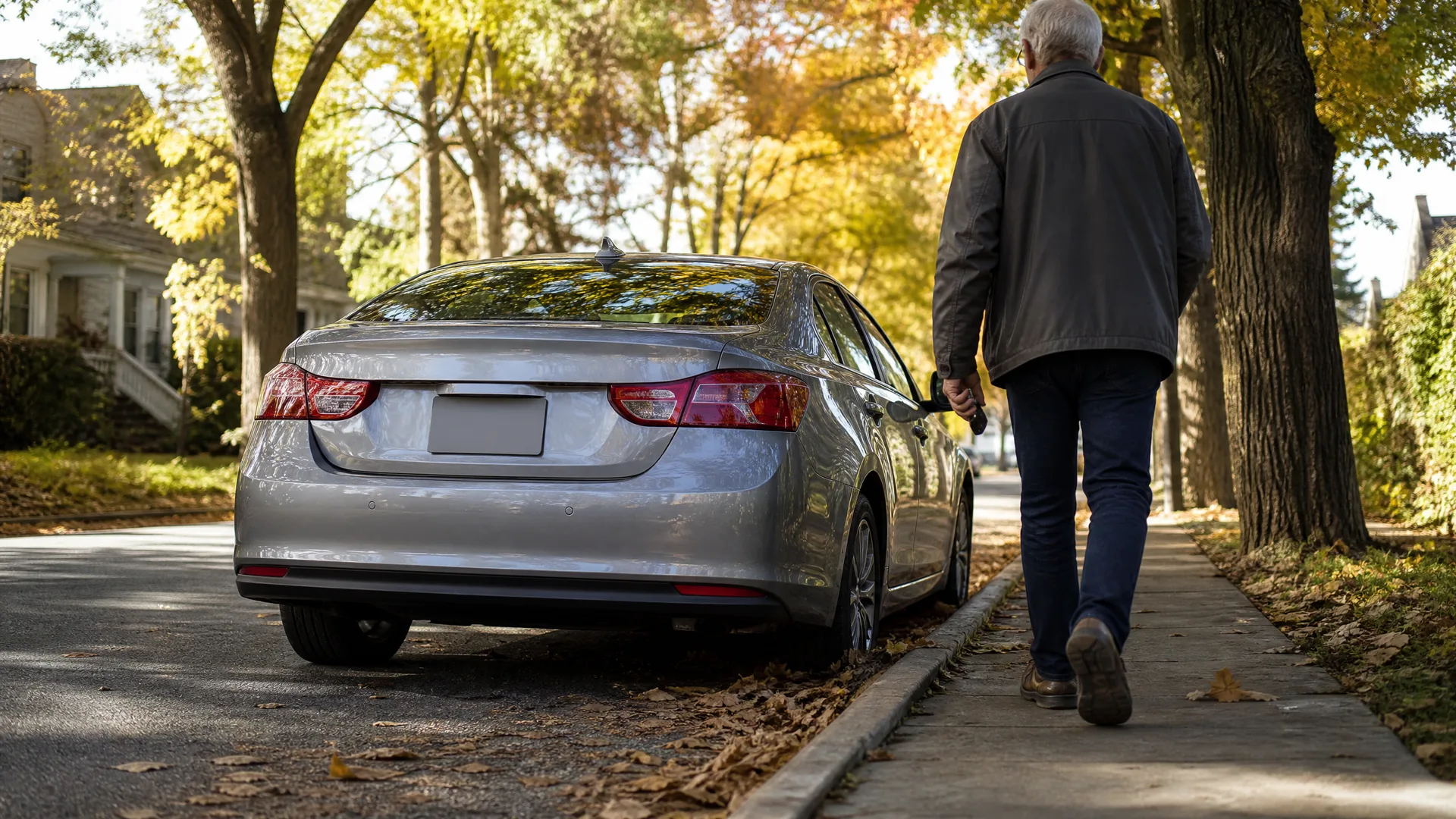
Car insurance for seniors often shifts because the car itself changes. If you're driving less than you used to, retired and no longer commuting, tell your insurer. Many offer a lower-mileage rate, but it's based on your actual annual mileage, which they usually won't ask about unless you bring it up.
The car you're insuring matters too. An older, paid-off car may only need liability coverage, not full coverage, and dropping collision and comprehensive on a car worth little can cut your premium by a meaningful amount. Ask your insurer what your car is valued at before you decide, since that number should drive the decision, not just the car's age.
If you've added safety features, like automatic braking or backup cameras, through a replacement vehicle, mention those too. Some insurers discount for them and some don't, so it's worth asking directly rather than assuming.
Questions people ask about this
does AARP give a discount on car insurance in Connecticut?
Some insurers offer a discount for AARP membership, but it depends on the insurer, not a statewide rule. Ask any insurer you're comparing whether they recognize AARP membership and what it takes off.
will my car insurance go up if I'm a senior in Connecticut?
Not automatically. Rates can rise with age in some cases, particularly for insurers that factor in slower reaction times or vision changes, but it isn't universal and some insurers barely adjust for age at all. This is part of why comparing insurers matters more as you get older.
do I need a vision test to renew my license in Connecticut?
Connecticut's DMV sets its own rules on vision and renewal testing for older drivers, and those rules can change. Check directly with the Connecticut DMV for the current renewal requirements tied to your age.
can I stay on my spouse's car insurance policy as a senior?
In most cases yes, as long as you're both listed drivers and the insurer allows it, but some insurers price a joint policy differently once one driver is significantly older or has a different record. Ask your insurer how they'd price it before assuming it's automatically cheaper than separate policies.
what happens to my car insurance if I stop driving but keep the car?
You can usually switch to a non-driver or storage policy that only covers the car while it's parked, which costs less than active coverage. Ask your insurer what they offer for a car that isn't being driven regularly.
See what other insurers in Connecticut would charge you before your next renewal.

Pull your current renewal notice and your driving record so you know what you're working with. Call your insurer and ask directly which discounts you qualify for, including any defensive driving course discount and any low-mileage rate, since they won't apply these unless you ask. Ask what your car is currently valued at, so you can decide if dropping collision or comprehensive makes sense. Then compare that renewal price against quotes from a few other insurers for the same coverage, since Connecticut has enough insurers that prices for the same driver can differ substantially. Do this before the renewal date on your notice, not after, since changing insurers is easiest when your current policy hasn't already renewed.