Do Seniors Pay Less for Car Insurance Than Younger Drivers
Some seniors pay less, some pay more, and age by itself isn't what decides it.
Age alone doesn't guarantee a lower rate
Turning 65 doesn't automatically lower your premium. Insurers look at your driving record, the car you drive, where you live, and how much you drive, and age is just one input among several.
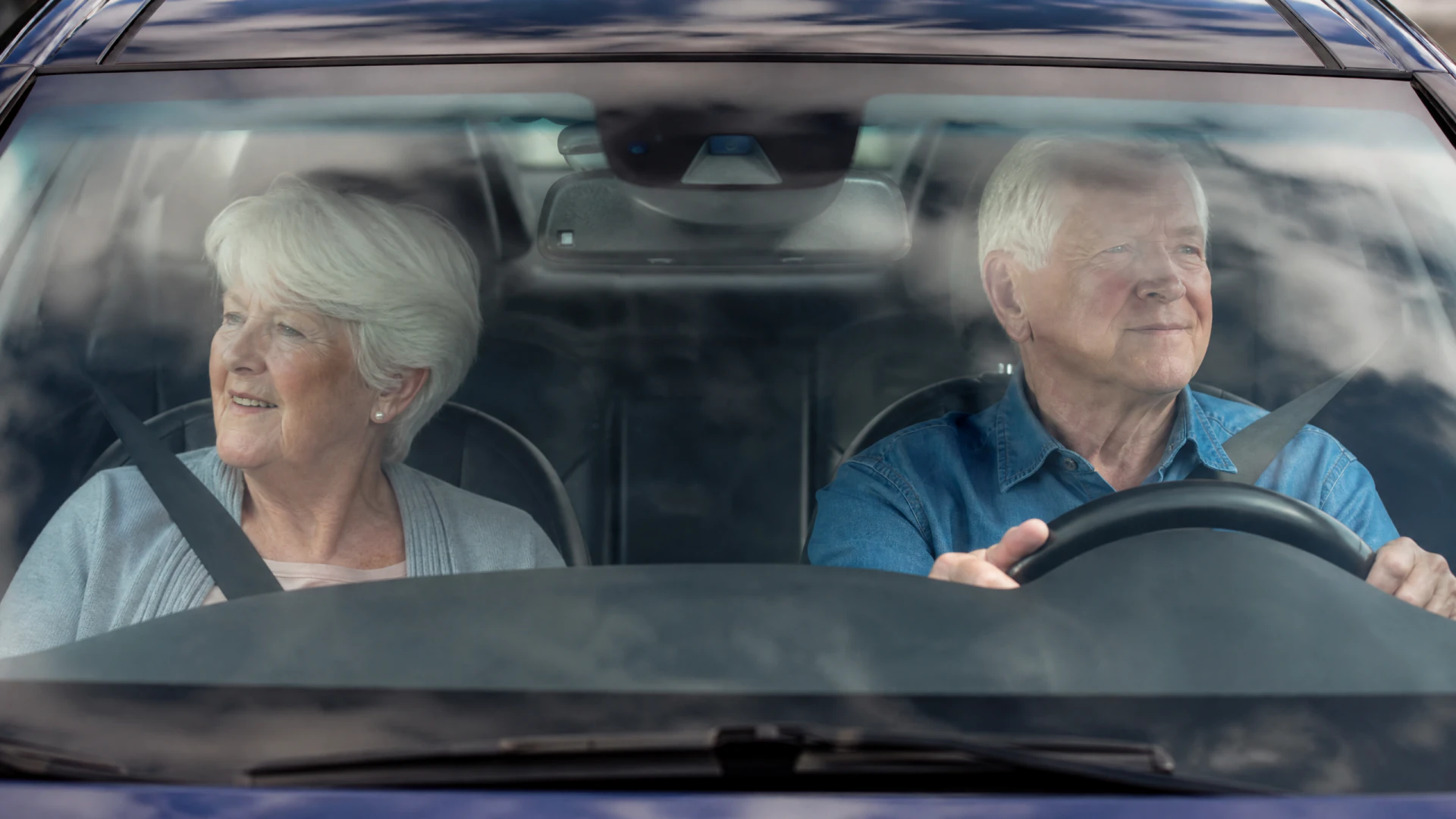
For many drivers, rates do drop through their sixties because a long clean record and less time on the road add up in their favor. But past a certain point some insurers start raising rates again, because age-related changes in reaction time and vision become a factor in their pricing. Whether that happens to you depends on the insurer and the state you're in.
Your driving record still matters more than your age
A clean record built over decades is worth more to an insurer than the fact that you're a senior. If you haven't had a ticket or a claim in years, that history is doing most of the work in keeping your rate down, not your birthday.
One accident or moving violation can undo that advantage regardless of age. Insurers price recent history heavily, so a ticket from last year can outweigh forty years of clean driving before it.
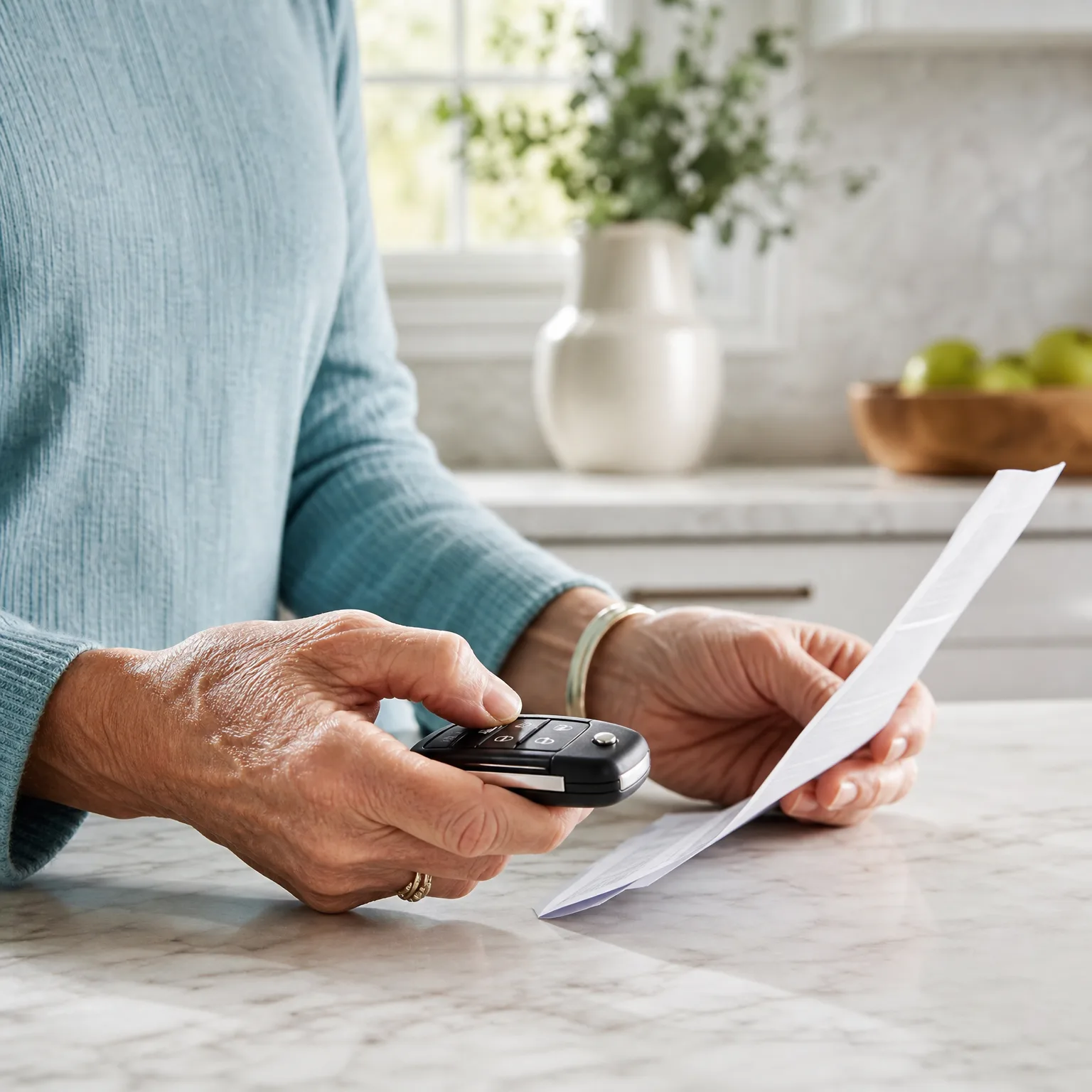
If your rate went up at renewal, ask your insurer what changed. It may be a claim, a ticket, a change in your car's value, or a shift in rates across your state, and age is rarely the only reason given.
If you've taken a defensive driving or mature driver course, ask your insurer whether it qualifies for a discount in your state. Some states require insurers to offer this discount to older drivers, others don't, and you usually have to send in the certificate yourself.

Your state and your insurer set their own rules
There's no national rule about how insurers price senior drivers. Some states require a discount for completing an approved driving course. Others leave the whole decision to the insurer.
Insurers also differ in how they weigh age against other factors. One company might raise rates gradually after a certain age, while another holds steady as long as your record stays clean. This is why two drivers of the same age, in the same state, can get very different quotes.
If a renewal notice came in higher than expected, it's worth asking the insurer directly what changed and whether age was part of it. It's also worth getting quotes from a few other insurers, since the same profile can be priced very differently from one company to the next.
Questions people ask about this
Does car insurance go up again after a certain age?
For some insurers, yes, rates can rise again later in life after years of decline. This isn't universal and depends on the insurer's own pricing rules, so ask directly whether your company adjusts rates by age bracket.
Will my insurer tell me if my age caused a rate increase?
They should be able to explain what changed at renewal if you ask. Insurers aren't always specific about how much weight age carries versus other factors, so ask plainly what drove the change.
Do I need a new eye exam or driving test to keep my license as a senior?
This depends entirely on your state. Some states require vision tests or in-person renewals starting at a certain age, others don't, so check with your state's DMV for its current rules.
Can I get a senior discount even if I haven't taken a driving course?
Usually the discount is tied to completing an approved course, not simply to your age. Ask your insurer which courses they accept and whether the discount applies automatically or only after you submit the certificate.
Should I switch insurers if my rate went up as a senior?
It's worth comparing, since insurers price older drivers differently from each other. Getting a few quotes will show you whether your current rate reflects the market or whether another insurer would price your record more favorably.
See what other insurers would charge someone with your driving record before you accept a higher renewal.
Pull your renewal notice and your current policy and look at what actually changed from last year. Call your insurer and ask them to explain the increase in plain terms, including whether age was a factor. If you've completed a driving course recently, send in the certificate if you haven't already, since many insurers won't apply the discount without it. Ask your state's DMV about any upcoming renewal requirements, like a vision test, so nothing catches you off guard. Then get a few quotes from other insurers using the same details, so you can see whether your current rate is still competitive.