Car Insurance on a Fixed Income in Washington
You can bring the cost down, but it takes asking your insurer for specific discounts and checking your coverage against the car you actually own.
Yes, there's usually room to lower it
Most drivers on a fixed income in Washington can reduce what they pay without dropping coverage they need. The savings come from a handful of places: discounts tied to age or a safe driving course, adjusting coverage on an older car, and sometimes switching insurers altogether.
What it depends on is whether you've asked. Insurers don't automatically apply every discount you qualify for. Some require you to request them, submit paperwork, or take a course first. The reader who saves the most is usually the one who calls and asks what's available, rather than waiting for a renewal notice to tell them.
Your car's age and value change what coverage makes sense
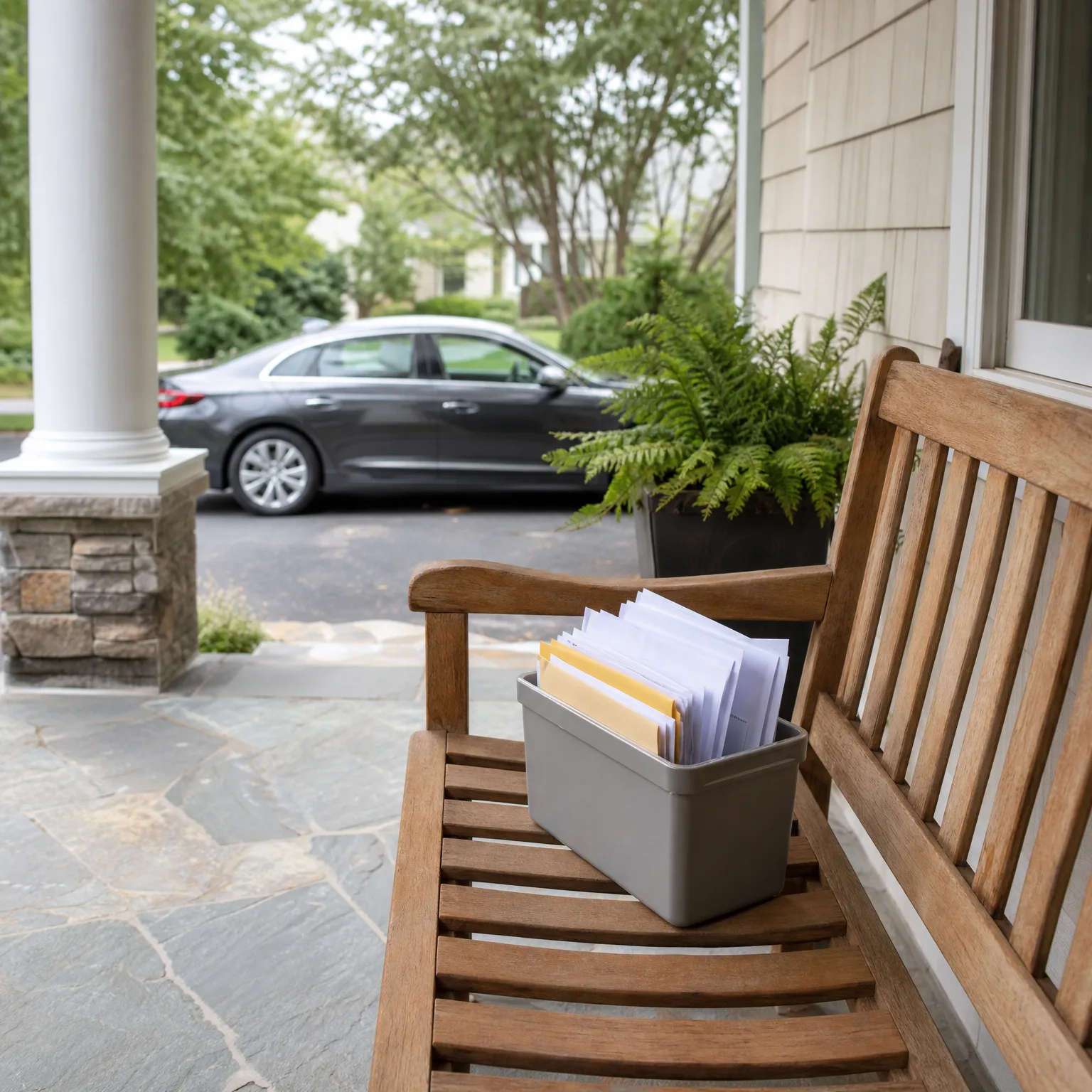
If your car is older or worth less than it used to be, carrying full coverage may cost more than it's worth. Comprehensive and collision only pay out up to the car's current value, so if that value has dropped a lot, the premium for that protection can outweigh what you'd ever recover in a claim.
Check your car's current value against what you're paying for comprehensive and collision specifically. Your insurer can tell you that breakdown if you ask for it.
Dropping those coverages only makes sense if you could afford to replace the car yourself if it were totaled. If you're still financing or leasing, your lender likely requires you to keep full coverage, so this option may not apply yet.
This is worth revisiting every year or two, since a car's value keeps dropping even when your policy doesn't change on its own.
Washington lets insurers price differently, so your insurer matters more than you'd think
Washington doesn't set one statewide formula for how insurers price a policy. Each insurer weighs age, driving record, location, and discounts differently, which means two companies can quote very different amounts for the same driver.
This is why shopping around tends to help more for older drivers than for younger ones. A company that specializes in or simply prices more favorably for mature drivers may offer meaningfully less than your current insurer, even with identical coverage.
Ask each insurer directly whether they offer a mature driver discount, a low-mileage discount, or a discount for completing a defensive driving course. These aren't always advertised up front.
If you've been with the same insurer for years, it's worth checking that loyalty hasn't cost you. Rates for existing customers sometimes rise faster than the rates offered to new customers for the same coverage.
Questions people ask about this
Does Washington require a vision test to renew a driver's license at a certain age?
Washington's renewal requirements are set by the state and can include vision screening depending on your age and renewal method. Check directly with the Washington Department of Licensing for the current requirement tied to your age, since this is separate from anything your insurer asks for.
Will my car insurance go up if I stop driving as much?
It shouldn't go up for driving less, and it may go down if you qualify for a low-mileage discount. Tell your insurer if your annual mileage has dropped significantly, since some policies are priced in part on expected mileage and this is worth updating rather than assuming they already know.
Can I remove collision coverage and keep comprehensive on an older car?
Yes, these are usually separate coverages and you can often drop one while keeping the other. Ask your insurer specifically what each one costs on your policy so you can decide if the cost of either still makes sense for your car's value.
Does a defensive driving course discount last forever once I complete it?
No, it usually needs to be renewed after a set period, and the period is set by your insurer rather than the state. Ask your insurer when your discount expires and whether you need to retake the course or simply resubmit a certificate.
Should I drop a driver from my policy if they no longer drive my car regularly?
This depends on your insurer's rules about who must be listed on a policy. Ask your insurer whether removing a household member who no longer drives your car would lower your premium, and what proof they need to make that change.
See what other insurers would charge for the same coverage before you renew.
Pull out your current policy and find the line items for comprehensive and collision coverage. Call your insurer and ask three things: what your car's current value is in their system, whether you qualify for a mature driver or defensive driving course discount, and whether your mileage has been updated recently. Write down what they say. Then get quotes from two or three other insurers with the exact same coverage limits so you're comparing the same thing. If a competing quote is lower, you can bring that to your current insurer before deciding whether to switch.