Car Insurance on a Fixed Income in Utah
Your rate comes down to your driving record, your coverage choices, and whether you've asked your insurer about every discount you qualify for.
Yes, but it takes asking and checking, not waiting
Car insurance can fit a fixed income, but it usually takes some work on your end. Insurers don't automatically give you the lowest rate available to you. They give you the rate tied to the policy you have, and that policy may still include coverage you set up years ago and never revisited.
For a driver your age in Utah, the biggest costs to look at are how much coverage you're carrying beyond what the state requires, whether you still have a car payment that requires full coverage, and whether your insurer offers a mature driver or defensive driving discount you haven't claimed. None of this is automatic. You have to ask.
Your driving record decides more than your age does
Insurers price risk, and a long clean record is worth more than most people realize. If you haven't had a ticket or an at-fault accident in years, say so when you call your insurer, because some companies have a claims-free or accident-free discount that doesn't show up unless someone applies it to your account.
A defensive driving or mature driver course can also lower your rate with some insurers, but only if you send them the certificate after you finish. The course itself doesn't change anything. The paperwork does.
If your vision or reaction time has changed, that's worth being honest with yourself about, separate from the insurance question. But a clean record on paper is what the insurer sees, and it's worth asking directly what discount that record qualifies you for.
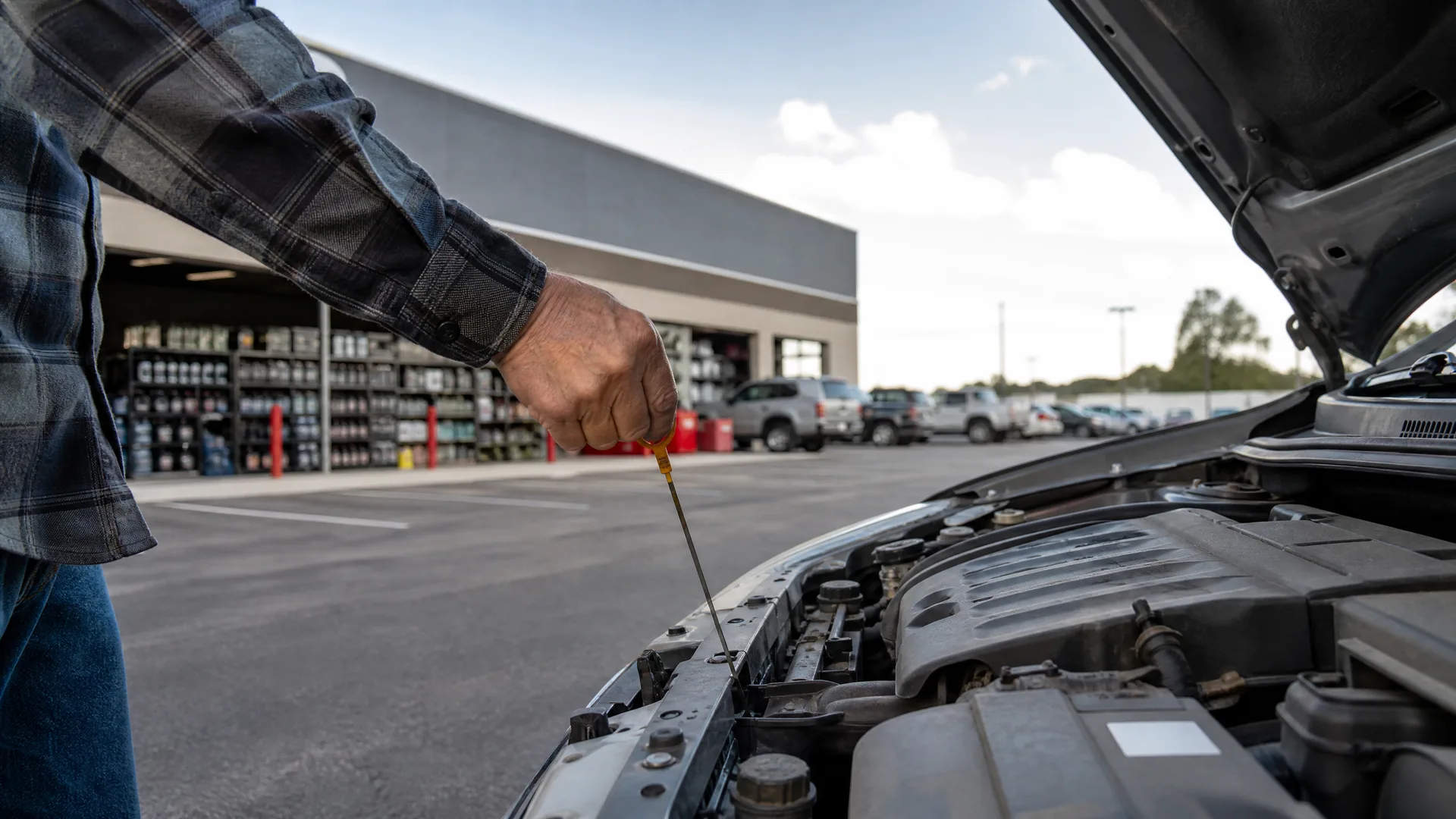
How much you drive and what you drive changes the math
If you're retired and driving less than you used to, tell your insurer. Some companies price policies partly on estimated annual mileage, and a lower number can mean a lower premium. This isn't automatic either. They go by what you report unless you update it.
The car itself matters too. An older paid-off car usually doesn't need comprehensive and collision coverage, since those pay out based on the car's value, not what you paid for the policy. If your car is worth little, carrying that coverage may cost more over a year than the car is worth replacing.
Bundling your auto policy with a renters or homeowners policy, if you have one, is worth asking about specifically. Some insurers discount both policies when you hold them together, but it has to be requested or set up, it doesn't happen on its own.
Questions people ask about this
Does Utah require less coverage for older drivers?
No, Utah's minimum coverage requirements are the same for every licensed driver regardless of age. What changes is how much coverage beyond the minimum makes sense for your situation, which depends on your car's value and what you can afford to pay out of pocket if something happens.
Will my Utah car insurance go up just because I'm older?
Not automatically, but some insurers do factor age into pricing at certain points. If your rate increased at your last renewal and nothing else changed, ask your insurer directly what drove the increase so you know whether it's tied to age or something else like your coverage limits.
Can I drop full coverage if my car is paid off?
You can, as long as you don't have a loan or lease requiring it. Whether you should depends on your car's value. If it would cost little to replace, the premium for comprehensive and collision may not be worth it, but check your car's current value before deciding.
Does Utah offer a senior discount on car insurance?
Utah doesn't set statewide senior discounts, those come from individual insurers, not the state. Ask your insurer directly what age-based or mature driver discounts they offer, since this varies by company and isn't something you'll be told about automatically.
Should I switch insurers if my rate went up at renewal?
It depends on what you find when you compare, but a renewal increase is a reasonable reason to check. Before switching, ask your current insurer if they can match or explain the increase, since loyalty discounts or claims history sometimes make staying worthwhile.
See what other insurers would charge for the same coverage before you renew.
Pull out your current policy and renewal notice this week and read through what coverage you're actually paying for. Call your insurer and ask three things directly: what mileage they have on file for you, whether you qualify for a mature driver or defensive driving discount, and whether bundling with another policy would lower the cost. If you've taken a defensive driving course recently, confirm they have the certificate on file, not just that you finished the course. Then compare that renewal price against quotes from other insurers for the same coverage, so you know whether staying or switching actually saves you something.