Car Insurance on a Fixed Income in Colorado
You can lower what you pay, but it takes shopping your policy and asking for specific discounts, not waiting for your insurer to offer them.
Yes, there's room to bring the cost down
Car insurance in Colorado isn't fixed once you buy it. Your rate is built from your driving record, your car, how much you drive, and which company you're with, and all of those can shift in your favor as you get older. A driver with a clean record and a paid-off car usually has more ways to cut the bill than they think.
What it depends on is whether you ask. Insurers don't automatically apply every discount you qualify for. Mature driver discounts, low-mileage discounts, and bundling your home or renters policy with your auto policy all have to be requested or confirmed, and the rules for each vary by insurer.
How much you drive changes the math
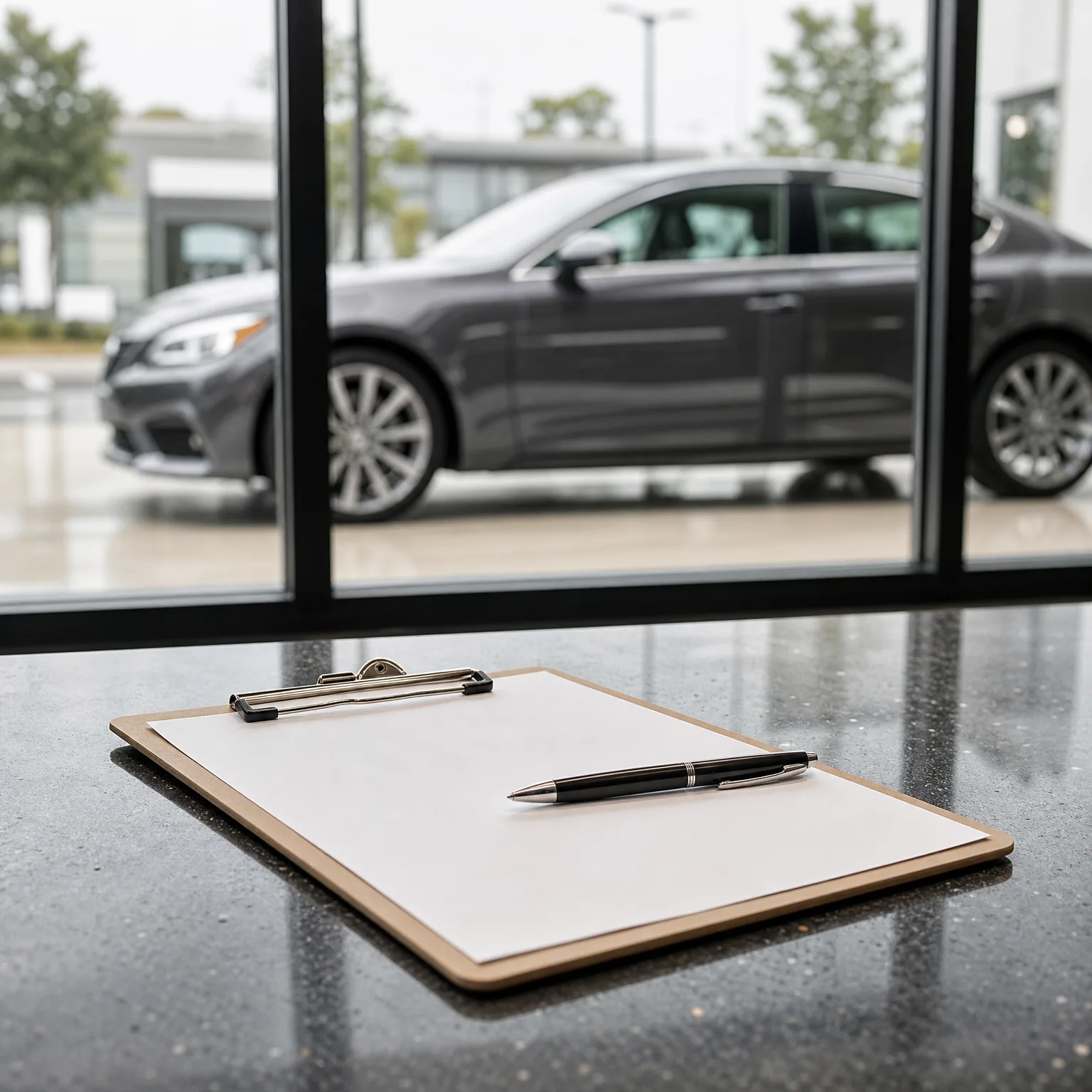
If you're retired or driving less than you used to, that matters more than almost anything else on your policy. Insurers price risk partly on exposure, meaning how many miles you're on the road. Someone driving to a part-time job five days a week is a different risk than someone driving to church and the grocery store.
Ask your insurer if they offer a low-mileage discount and how they verify it. Some want an odometer reading at renewal. Some use a tracking device you plug in or an app, which not everyone wants, but it can mean a real reduction if your yearly mileage is low.
If you've recently stopped commuting, tell your insurer. They won't lower your rate for it unless you report it. The same goes if you've added a second car that mostly sits in the garage. Ask whether it qualifies for a reduced rate as a secondary vehicle.
Dropping coverage you don't need matters too, but only after you've checked what you'd be giving up. If your car is paid off, you may not need the same level of comprehensive and collision coverage you carried when you had a loan. That's a conversation to have with your agent, not a guess to make on your own.
A completed driving course can lower your rate, but only if you send in the proof
Colorado allows insurers to offer a discount to older drivers who complete an approved defensive driving or mature driver course. Not every insurer offers this, and the ones that do set their own rules about which courses qualify and how long the discount lasts.
The course itself doesn't change your rate. Your insurer has to receive the certificate and apply it to your policy. Call and ask what they require before you sign up for a course, so you don't pay for one that doesn't count.
This discount usually has to be renewed. Ask your insurer how often you need to retake the course to keep the lower rate, since it isn't usually a one-time credit that lasts for the rest of your policy.
If you're comparing insurers, ask each one directly whether they offer this discount and how large it is. It's one of the clearest places where shopping around pays off, because not every company treats it the same way.
Questions people ask about this
Does my car insurance go down automatically when I turn a certain age?
No, nothing happens automatically. Any age-related discount has to be applied by your insurer, and some only offer it if you ask or provide proof like a course certificate. Call your insurer and ask directly what discounts apply at your age.
Will my insurance go up just because I'm older?
It depends on the insurer and your driving record, not your age alone. Some companies do raise rates for drivers past a certain age, often tied to claims data for that age group, while others don't. This is a reason to compare insurers rather than assume your current company's rate reflects the best price available to you.
Can I drop collision coverage to save money?
You can if your car is paid off and you're willing to cover repair or replacement costs yourself. Before you do, check what your car is worth and what you'd lose if it was totaled. Your agent can tell you what dropping it would save on your specific policy.
Does bundling home and auto insurance actually save money in Colorado?
Often, but the amount varies by insurer and by what you're bundling. Ask for a quote with and without the bundle so you can see the real difference for your situation, rather than assuming it's worthwhile.
How often should I shop around for car insurance after retirement?
Check at every renewal, since your mileage, car value, and household situation may have changed enough to affect your rate. Insurers reprice risk regularly, and a company that was competitive a few years ago may not be now. Comparing quotes at renewal is the most reliable way to catch this.
See what other insurers would charge for the same coverage before your next renewal.
Pull out your current policy and your most recent renewal notice so you can see exactly what you're paying for. Call your insurer and ask which discounts you currently qualify for, including any for mileage, mature drivers, or bundling, and whether you're receiving all of them. If you're considering a driving course, confirm with your insurer beforehand which courses they accept and how to submit the certificate. Then get a few quotes from other insurers using the same coverage levels so the comparison is fair. If one is meaningfully lower, call your current insurer and ask if they can match it before you switch.