Car Insurance on a Fixed Income in California
You can bring your premium down, but it takes comparing insurers and asking for discounts most companies don't volunteer.
Yes, there's usually room to lower what you pay
California has more ways to cut a premium for an older driver than most states, because state law requires insurers to offer a mature driver discount once you complete an approved course. Beyond that, the amount you pay still depends on your insurer, your driving record, and the car you drive, so the same steps that help any driver help you here too.
The reason it's worth the effort is that insurers price the same driver differently. One company's formula might weigh your age and ZIP code heavily, another might weigh your driving record more, and the gap between quotes for the same coverage can be real. On a fixed income, that gap matters more than it would otherwise.
Your driving record and the mature driver course
California requires insurers to give a discount to drivers who complete a state-approved mature driver improvement course, usually taken online or in a classroom. The discount doesn't apply automatically. You have to send your insurer the completion certificate after you finish, and you may need to retake the course periodically to keep the discount active.
Many drivers take the course and never send in the paperwork, so if you've taken one in the past, check whether your current insurer has it on file. If you haven't taken one, ask your insurer which courses they accept before you pay for one, since not all providers are approved in every state.
Your driving record otherwise works the way it does for any driver. A clean record keeps your rate lower, and a recent ticket or claim will push it up regardless of age.
How much coverage you're carrying and what you drive
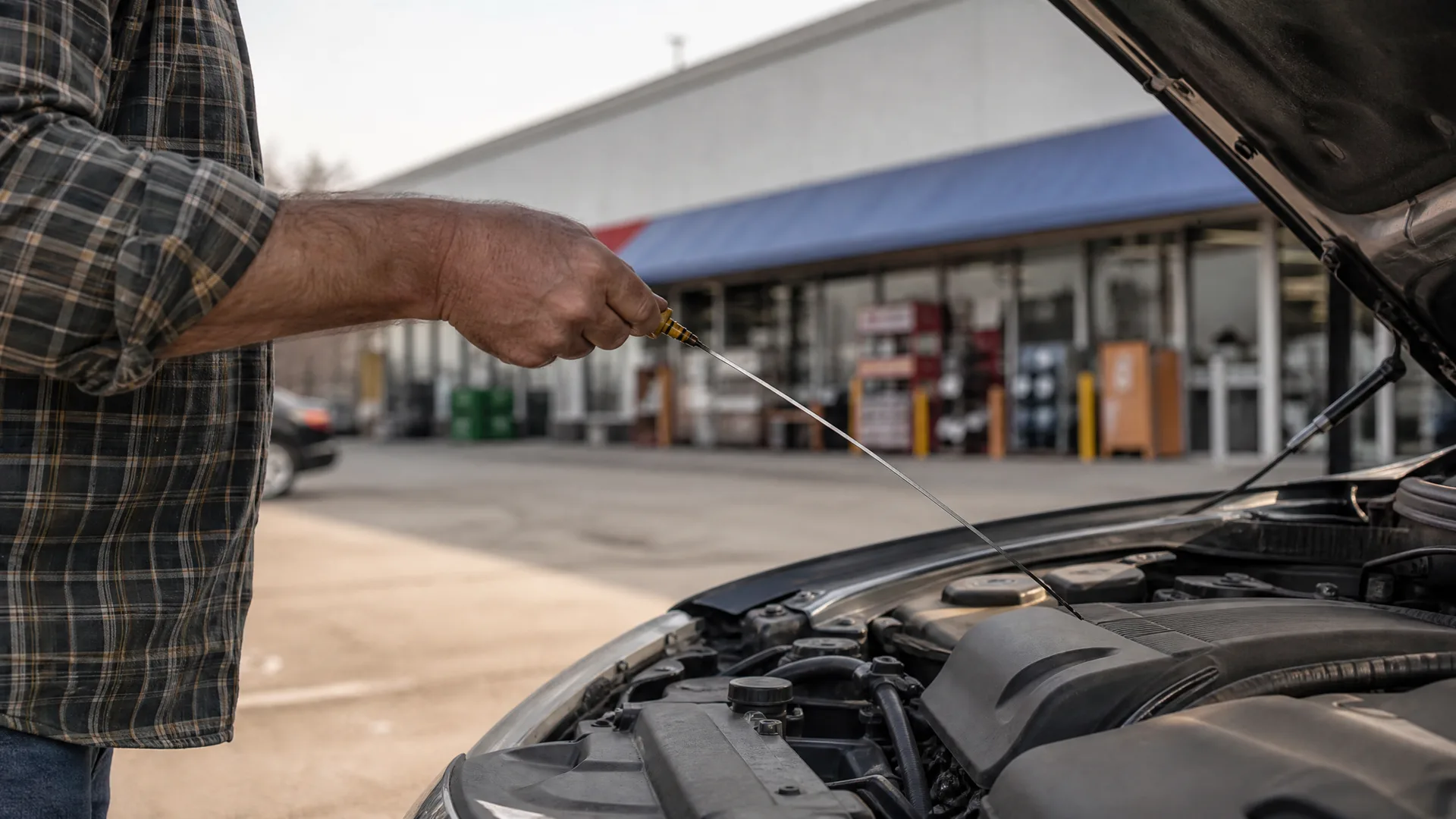
The coverage limits and deductibles you chose years ago may no longer fit your situation. If your car is older and worth less, carrying comprehensive and collision coverage may cost more each year than the car would be worth if it were totaled. It's worth asking your insurer what your car's current value is and deciding whether that coverage still makes sense.
Raising your deductible is another way to lower the premium, as long as you could comfortably cover that amount if you needed to file a claim. This is a real tradeoff, not a free discount, so weigh it against what you could pay out of pocket.
How much you drive matters too. If you're retired and driving less than you used to, ask your insurer about a low-mileage discount or a usage-based program that prices your policy closer to your actual driving.
Questions people ask about this
Does California limit how much insurers can raise rates for older drivers?
California regulates how insurers can use age in setting rates, but it doesn't ban raising rates with age. Insurers in California must file their rating factors with the state Department of Insurance, so if you think your age is being weighted unfairly, you can ask your insurer how it factors into your specific rate and compare that against other companies.
Can I keep my insurance if I stop driving but still own a car?
Yes, a stored or rarely driven car can usually be insured under a reduced policy that covers comprehensive but drops liability, often called storage or non-operational coverage. Check with your insurer about what's required, since some states and insurers have specific rules for how long a car can go uninsured before registration is affected.
Will my rate go up if I only drive a few times a month?
Not necessarily, and it may go down if your insurer offers a low-mileage or usage-based discount. These programs track actual miles driven or use a device or app to monitor driving habits, so ask your insurer whether they offer one and what it would take to qualify.
Is it worth switching insurers after years with the same company?
It can be, since loyalty doesn't always translate into the lowest rate and long-time customers sometimes pay more than new ones for the same coverage. The only way to know is to get quotes from other insurers and compare them against what you're currently paying for the same coverage levels.
Do I need a vision test to renew my driver's license in California?
California requires a vision test at certain license renewals, and the specific rules depend on your age and renewal method. Check directly with the California DMV for the current requirement tied to your age and renewal cycle, since this is set by the state and can change.
See what other insurers would charge for the coverage you have now.
Pull out your current policy and note your coverage limits, your deductible, and your car's mileage. Call your insurer and ask directly whether you're getting every discount you qualify for, including the mature driver course discount and any low-mileage program. If you took a driver safety course in the past, confirm the certificate is actually on file with them. Then get a few quotes from other insurers for the same coverage to see where you stand. If your car is older, ask what it would take to drop comprehensive or collision and whether that makes sense given its value. Do this before your next renewal notice arrives, not after you've already paid it.