Car Insurance on a Fixed Income in Alaska
You can lower your car insurance bill in Alaska, but it takes asking your insurer the right questions, not waiting for them to offer the savings.
Yes, but the savings come from asking, not from your age alone
Getting older doesn't automatically lower your car insurance rate in Alaska. Insurers don't cut your premium just because you turned a certain age or retired. What actually lowers the bill is a combination of things you have to bring to them: a clean driving record, fewer miles driven, a mature driver course certificate, and sometimes bundling your home and auto policies.
Alaska has its own mix of factors too. Rural areas often see different rates than Anchorage or Fairbanks, and long winters mean insurers weigh things like studded tires and road conditions. None of that is automatic either. You have to call your insurer, tell them what's changed about how you drive, and ask what applies to you.
How much you drive now matters more than it used to
If you're retired, you're probably not commuting anymore, and that changes your risk profile in a way insurers can actually price. Fewer miles on the road means fewer chances for a claim, and some insurers offer a lower rate once they know your annual mileage has dropped.
But they won't know unless you tell them. Your policy likely still reflects an estimate from years ago, maybe from when you were driving to work every day. Call your insurer and ask if they offer a low-mileage discount, and ask what proof they need, whether that's an odometer reading, a photo, or just your word on the form.
In a state as spread out as Alaska, this can cut both ways. If you still drive long distances for groceries, medical appointments, or to see family, your mileage might not be as low as you'd think. Be honest about it. An insurer who finds out later that your estimate was off can adjust your rate or complicate a claim.
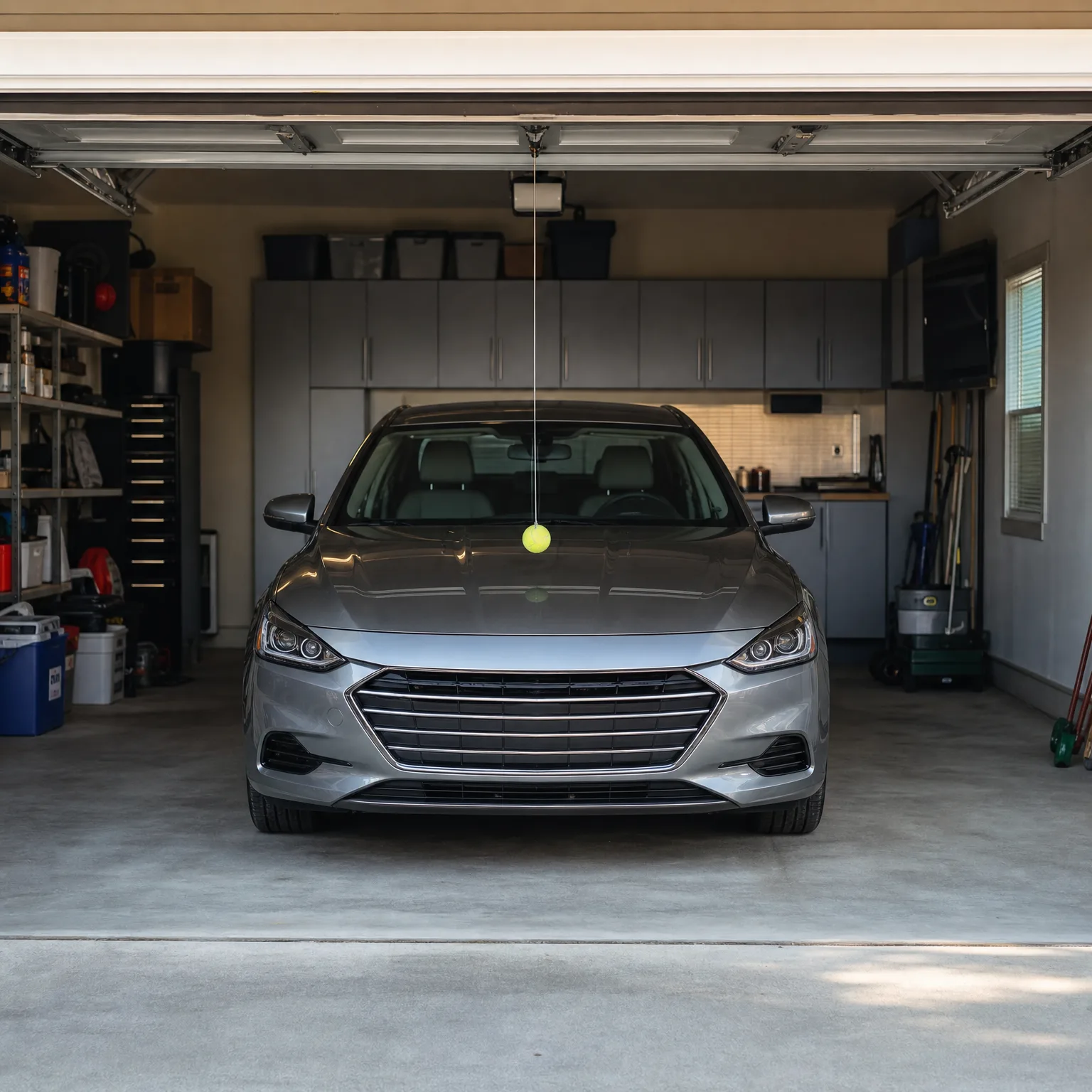
If you've also stopped driving in winter conditions, or you garage the car for months at a time, mention that too. Some insurers have a seasonal or storage consideration that affects the premium.
A mature driver course can lower your rate, but only if you send in the certificate
Many insurers in Alaska give a discount to drivers who complete an approved mature driver or defensive driving course. The course itself doesn't do anything for your premium. What matters is that you finish it, get the certificate, and send a copy to your insurer.
This step gets missed more than people expect. Someone takes the course, assumes the discount shows up automatically, and it never does because the insurer was never told. Ask your insurer which courses they accept before you sign up for one, since not all of them count.
Ask how long the discount lasts too. Some insurers apply it for a set period and then ask you to retake the course to keep the discount going. If you don't know that in advance, you can lose the savings without realizing why your rate went back up.
If you're helping a parent with this, the certificate and the follow-up call to the insurer are the two steps most likely to fall through the cracks. Neither one takes long, but both have to happen.
Questions people ask about this
Does Medicare or Social Security affect my car insurance rate?
No, your insurance rate isn't tied to your income or to Medicare or Social Security. Insurers price your policy based on your driving record, your car, your coverage choices, and where you live, not on what kind of income you receive. If a letter or caller suggests otherwise, confirm directly with your insurer or your state's insurance division.
Should I drop collision or comprehensive coverage on an older car?
That depends on what your car is worth and what you could afford to replace if it were totaled. If the car's value is low, the payout from a claim might be small enough that carrying that coverage no longer makes sense. Ask your insurer what your car's current value is and what you're paying for that part of the policy specifically, then decide from there.
Will my rate go up just because of my age?
Not automatically, but insurers can factor age into their pricing the same way they factor in any other data tied to risk. The honest way to find out is to ask your insurer directly how your age affects your specific rate and what, if anything, you can do to offset it, like a driving course or a change in coverage.
How do I find out if my insurer offers a senior or retiree discount?
Ask them directly, since there's no single standard discount that applies everywhere. Some insurers call it a mature driver discount, others tie it to course completion, and some don't offer one at all. The only reliable way to know is to ask your insurer by name what discounts they have and what you need to qualify.
What happens to my car insurance if I stop driving but keep the car?
You'll likely still need some form of coverage to keep the car legally registered and protected, even if it sits unused. Ask your insurer about a reduced or storage policy, since the coverage you need for a parked car is usually different, and less expensive, than full coverage for a car on the road.
See what other insurers in Alaska would charge for the coverage you actually need now.

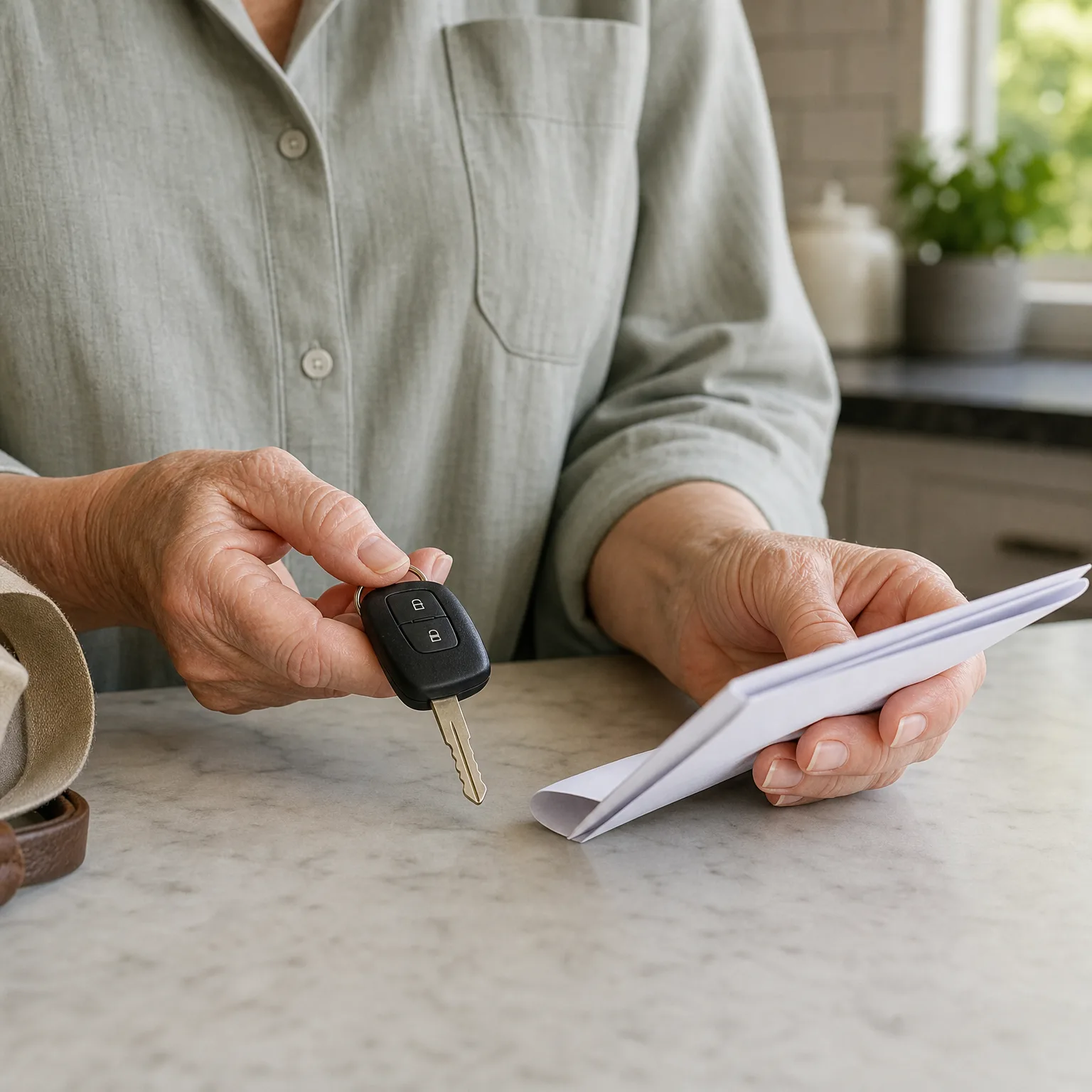
Pull out your current policy and your most recent renewal notice this week. Call your insurer and ask three things: whether they offer a low-mileage discount, which mature driver courses they accept for a discount, and what your car's current value is for collision and comprehensive purposes. Write down the answers. Then compare what you're paying against quotes from other insurers, since the discounts you qualify for may be worth more with a different company than with the one you have now. If a parent or family member is on a fixed income and asking you for help, make these same three calls with them on the line.