Car Insurance for Seniors on Social Security in Vermont
Being on Social Security doesn't set your rate. Your driving record, your car, and how much you drive still decide what you pay.
Your income source isn't a rating factor
Insurers in Vermont don't ask whether your income comes from Social Security, a pension, or a paycheck. They price the policy based on you as a driver and the car you drive, not how you pay the bill.
What does matter at this stage of life is mileage, your driving record, and whether you still carry coverage you no longer need, like a high-cost collision policy on an older car. Those are the places where someone on a fixed income can actually bring the premium down.

How much you drive changes the math
Many drivers cut back once they retire. Fewer commutes, less highway time, more errands close to home. If that describes you, tell your insurer. Several companies offer a lower rate for low annual mileage, but only if you report it. They won't lower it on their own.
Ask your insurer whether they offer a low-mileage discount and what they count as proof. Some want an odometer reading at renewal. Others ask you to estimate your annual mileage up front.
If you've stopped driving in winter, or only drive to appointments and the grocery store, say that plainly when you ask for a quote. The number matters less than giving them an honest, specific figure instead of letting them assume you still drive as much as you used to.
Your driving record still carries the most weight
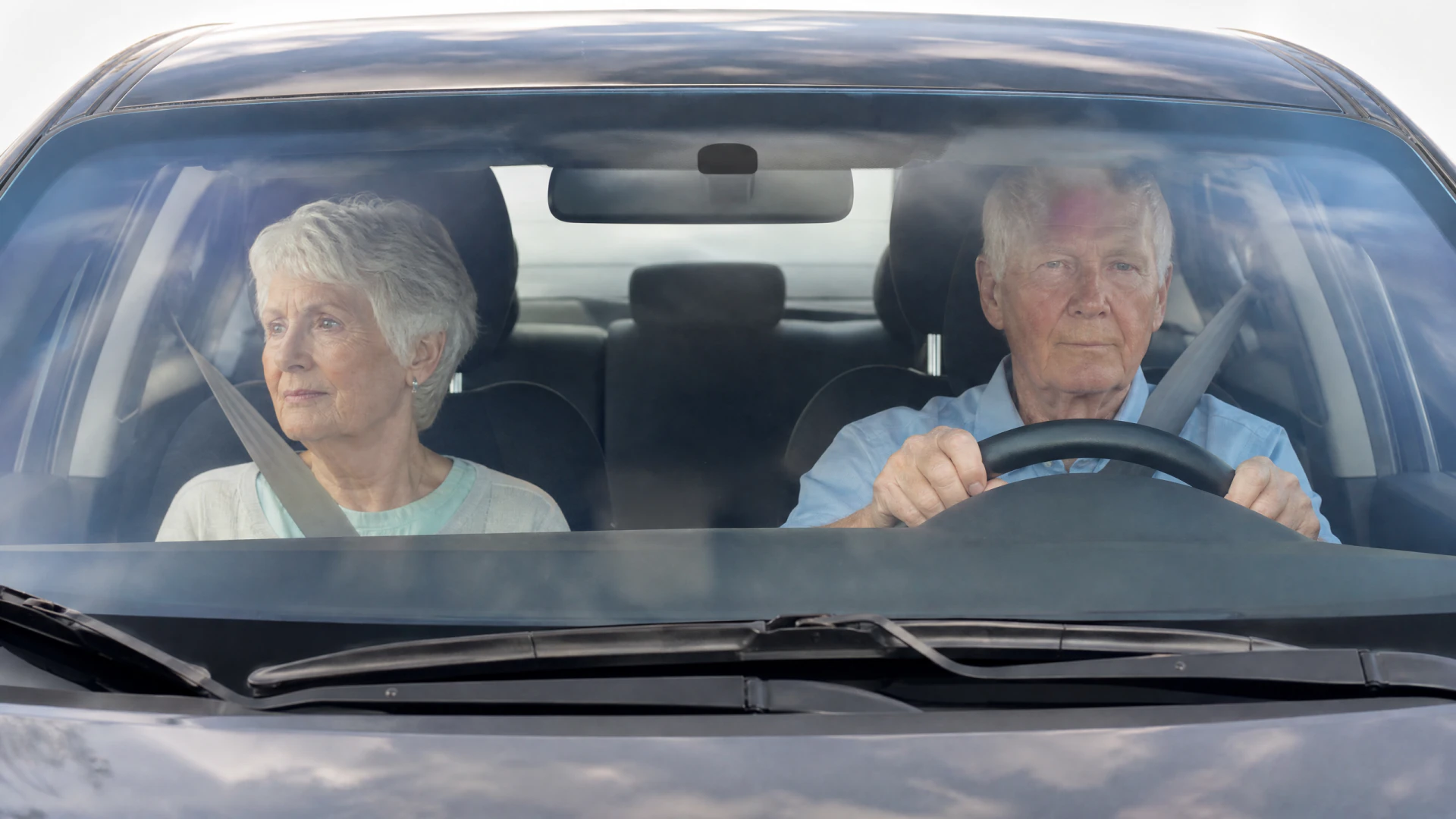
A clean record keeps your rate as low as it can be at any age. A violation or a claim in the last few years will raise it, the same as it would for any driver, and age doesn't offset that.
Vermont requires vision screening at license renewal for older drivers, and some insurers ask about recent tests or any restrictions on your license. If your license has a restriction, like daytime driving only, mention it. It can work in your favor since it signals lower risk for certain kinds of claims.
If you've taken a defensive driving or mature driver course, ask your insurer whether it qualifies for a discount in Vermont. Some do, some don't, and the insurer won't apply it unless you send them the certificate yourself.
Questions people ask about this
Does Medicare or Social Security affect my car insurance premium?
No. Car insurers price auto policies on driving risk, not on how you receive income or what other benefits you have. Your Social Security or Medicare status has no bearing on your auto premium.
Can my car insurance be canceled for being too old to drive safely in Vermont?
An insurer can decline to renew a policy, but age alone isn't a standard reason. If a company raises concerns about your driving, it's usually tied to specific claims, violations, or a license restriction, not age by itself. Ask your insurer directly what would trigger a non-renewal if you're worried about it.
Should I drop collision coverage on an older car?
That depends on what your car is worth and what you could afford to repair or replace out of pocket. If the car's value is low, the collision premium may cost more over time than the payout would be worth. Ask your insurer for your car's estimated value and compare it against what you're paying for that coverage.
Do I need to tell my insurer if my license gets restricted?
Yes. If the DMV places a restriction on your license, such as daytime-only driving or a corrective lens requirement, your insurer needs accurate information about your license status. Not reporting a change your insurer specifically asks about can affect a claim later.
Will my rate go up if I stop working and I'm only driving locally now?
It can go down rather than up, since less driving generally means less risk. But this only happens if you tell your insurer about the change. Call and ask them to update your estimated annual mileage and see whether that shifts your premium.
See what Vermont insurers would charge you based on your actual driving, not assumptions about your age.
Pull your current policy and check what you're paying for collision and comprehensive coverage on each car. Estimate how many miles you actually drive in a year now, compared to a few years ago. Call your insurer and ask three things: whether they offer a low-mileage discount, whether a mature driver course would lower your rate, and whether your current coverage still makes sense for your car's value. If you took a driving course recently, have the completion certificate ready to send them. Then compare what you're told against quotes from a couple of other Vermont insurers before you renew.