Car Insurance for Seniors on Social Security in Oklahoma
Being on Social Security doesn't set your rate. What matters is your driving record, your coverage choices, and which insurer you ask.
Your income isn't part of the rate, your profile is
Social Security income has no bearing on what an insurer charges you. Insurers price a policy using your driving record, your age, the car you drive, where you live in Oklahoma, and the coverage levels you choose. Being retired or on a fixed income doesn't raise or lower any of that.
What it does change is how carefully you probably want to shop. If your budget is fixed, the gap between insurers for the same coverage matters more to you than it does to someone with room to absorb a bad renewal. That gap can be real, because insurers don't all weigh the same factors the same way, and one company's view of your age and record can be noticeably better than another's.
Your driving record still does most of the work
A clean record is the biggest thing keeping your rate down, and it stays that way at any age. Insurers look at recent tickets, accidents, and claims. If yours is clean, you're already getting the best rate that insurer offers someone like you.
Some Oklahoma insurers also give a discount for completing an approved defensive driving or mature driver course. The discount isn't automatic. You take the course, get a certificate, and send it to your insurer yourself. If you took one years ago and never sent it in, call and ask if it's too late to apply it.
If you've had a recent accident or ticket, expect that to weigh more than it would for a younger driver with a long clean history behind it. The record itself matters more than your age does.
How much you drive and what you drive
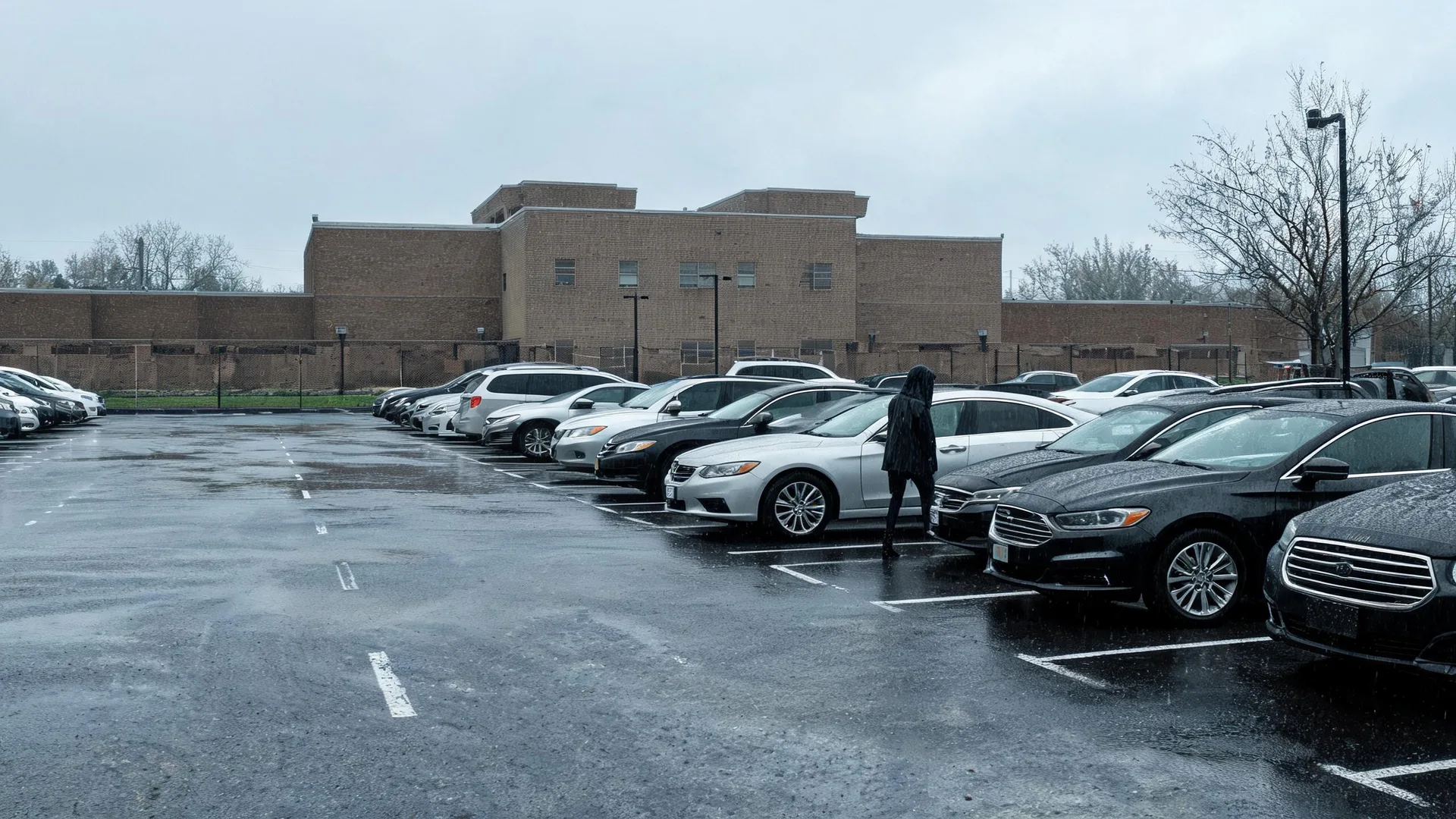
Insurers ask how many miles you drive a year, and retirement often means that number drops. Less time on the road is a real reason for a lower rate, but only if you tell your insurer. If your commute ended and nobody updated your policy, you may be paying for mileage you no longer put on the car.
The car itself matters too. Older, paid-off cars are cheaper to insure, especially if you've dropped collision and comprehensive coverage because the car isn't worth much. That's a decision worth checking with your agent rather than guessing at, since it depends on what the car is actually worth now.
Oklahoma requires a minimum level of liability coverage, and that's the floor everyone pays for regardless of age or income. Above that floor, how much coverage you carry is a choice, and it's one of the few places in this where you have direct control over the cost.
Questions people ask about this
Does Medicare or Social Security affect my car insurance rate in Oklahoma?
No. Car insurers don't ask about Medicare or Social Security, and neither one is part of how a rate is set. They look at your driving record, age, vehicle, and coverage choices.
Is there a senior discount on car insurance in Oklahoma?
Some insurers offer one, often tied to completing a defensive driving course, but it isn't universal or automatic. Ask your insurer directly whether they offer an age-based or course discount and what you need to send them to get it.
Should I drop full coverage once my car is paid off?
That depends on what the car is worth and what you could afford to replace it with out of pocket. If the car's value is low, full coverage may cost more than it would pay out in a claim, but check the car's current value with your agent before deciding.
Will my rate go up just because I'm getting older?
Age by itself isn't a penalty, but insurers do look at age ranges differently, and some apply more caution at the older end of the range. Your driving record and claims history still carry more weight than your birthday does.
Can I get car insurance in Oklahoma if I only have Social Security income?
Yes. Insurers don't check your income or require proof of earnings to sell you a policy. What matters is your driving record and the coverage you choose, not how you're paid.
See what Oklahoma insurers would actually charge someone with your record and your car.
Pull up your current policy and check the mileage estimate on file, since that's an easy thing to get out of date after retiring. Call your insurer and ask directly whether they offer a mature driver or defensive driving course discount, and what they need from you to apply it. If it's been a while since you compared rates, get quotes from a few Oklahoma insurers using the same coverage levels so you're comparing like for like. Have your driver's license number, your car's year and mileage, and your current policy's coverage limits ready before you start.