
Car Insurance for Seniors on Social Security in New York
Being on Social Security doesn't change your rate directly, but New York gives older drivers a few real ways to lower it.
Your income from Social Security isn't the rate factor, your age and record are
No insurer in New York prices a policy based on whether your income comes from Social Security, a pension, or a paycheck. What they price is your age, your driving record, the car you drive, and where you live. Social Security comes into this only because it's a sign you've likely crossed into an age range where insurers see you differently, sometimes favorably for a clean record, sometimes less so once you're well into your seventies or eighties.
What actually brings your premium down is New York's defensive driving course discount, which any licensed driver can earn regardless of income, plus whatever discounts your insurer offers for bundling, low mileage, or a long claims-free history. If money is tight on a fixed income, the course and a close look at your coverage levels are where the real savings are, not your Social Security status itself.

The defensive driving course is the one discount built for this
New York requires insurers to give a discount to drivers who complete a state-approved defensive driving course, and there's no upper age limit that excludes you. The course takes a few hours, often online, and ends with a certificate.
The discount doesn't apply itself. You have to send the certificate to your insurer after you finish. Call them first and ask which course providers they accept, since not every provider counts the same way with every company.
The discount also doesn't last forever. New York requires you to retake the course periodically to keep it active, so mark your calendar when you first get the discount applied rather than waiting for a renewal notice to remind you.
If you're on a fixed income, this is usually the most direct way to lower what you pay without changing your coverage or your car.
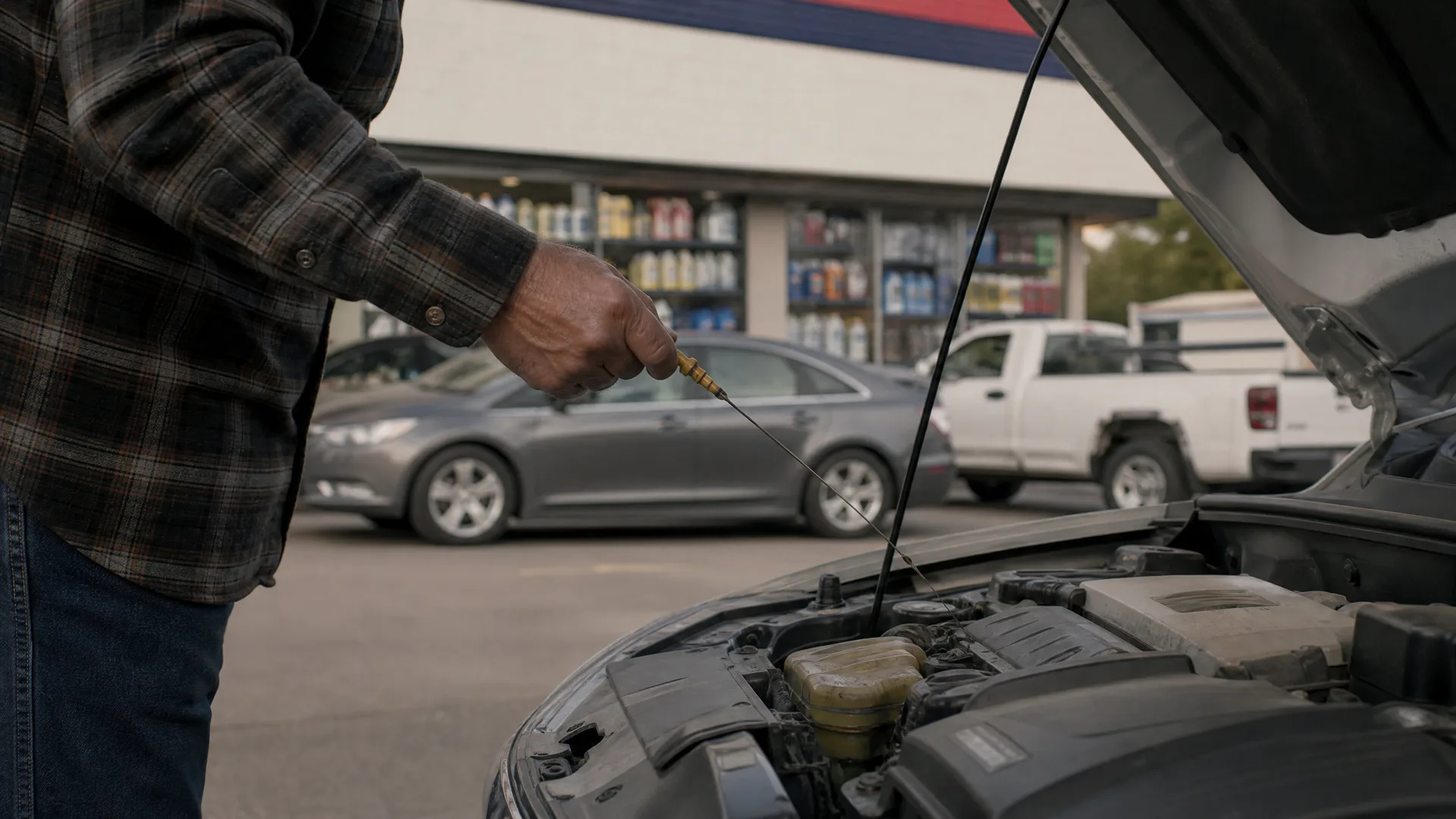
Your driving record and your car still carry the most weight
Insurers in New York look at your record over the past several years before anything else. A clean record with no tickets or claims will usually get you a better rate than any discount alone, age or income aside.
The car matters too. An older, paid-off car that's cheaper to repair or replace often costs less to insure than a newer one, and if you're not driving much anymore, your insurer may offer a lower rate for low annual mileage. Ask directly whether they have a low-mileage discount and what counts as low mileage to them.
If you're considering dropping collision or comprehensive coverage on an older car to save money, check the car's value first. For a car worth very little, that coverage may cost more than it would ever pay out in a claim.
None of this is about your income. It's about the car and the record, and both are things you can actually review and sometimes change.
Questions people ask about this
Does Social Security income count against me when I apply for car insurance in New York?
No, insurers don't ask about or factor in where your income comes from. What they look at is your age, your driving record, your vehicle, and your location. If an agent asks about income at all, it's unusual, and you can ask them directly why they need it.
Can I get car insurance if Social Security is my only income?
Yes, having only Social Security income doesn't affect your eligibility for car insurance. Insurers aren't assessing your ability to pay beyond requiring the premium itself, so coverage isn't tied to your income source.
Will my car insurance go up automatically once I retire?
Retirement itself doesn't trigger a rate change, since insurers don't track your employment status. If your rate changes around that time, it's more likely tied to your age bracket, a lapse in coverage, or a change in how much you drive, so ask your insurer what specifically changed if you see an increase.
Is there a senior discount on car insurance in New York separate from the defensive driving course?
Some insurers offer their own age-based discounts separate from the state-mandated course discount, but this varies by company. Ask your insurer directly whether they have a senior discount and what age or conditions qualify.
Should I switch insurers if my rate goes up after a certain age?
That depends on how your current insurer treats older drivers compared to others, which varies by company. It's worth getting quotes from a few insurers to see whether your current rate still reflects a fair price for your age and record.
See what other insurers would charge someone your age with your record, before you decide to renew.

Pull up your current policy and your most recent renewal notice so you know exactly what you're paying now and for what coverage. Call your insurer and ask which defensive driving courses they accept for the New York discount, then sign up for one this week if you haven't already taken it. Ask them directly about any low-mileage or long-term customer discounts you might qualify for. While you're at it, check your car's current value to see if dropping collision or comprehensive coverage makes sense. Once you have your current rate and coverage details in hand, compare quotes from a few other insurers to see if you're still getting a fair price for your age and driving record.