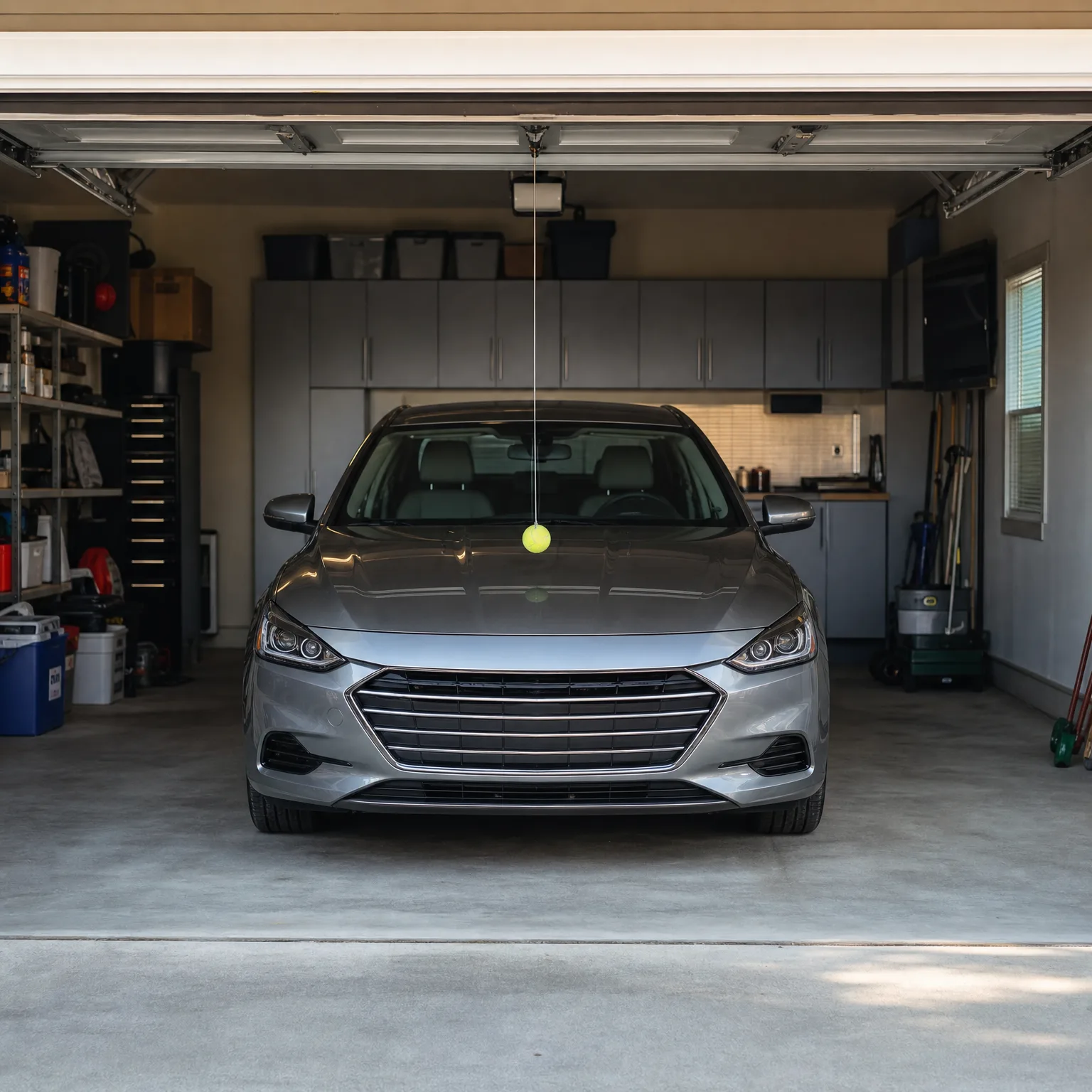
Car Insurance for Seniors on Social Security in Kentucky
Being on Social Security doesn't change your rate. What matters is your driving record, your car, and the discounts you ask for.
Your income source doesn't set your rate
Insurers in Kentucky price your policy on your driving record, your age, your car, and your coverage choices. Whether your income comes from Social Security, a pension, or a paycheck doesn't enter into it. There's no special policy type for people on Social Security, and no insurer prices a policy differently because of it.
What does matter at this stage of life is that you may qualify for discounts tied to age or driving history that you haven't asked about. Those aren't automatic. You have to know they exist and request them.
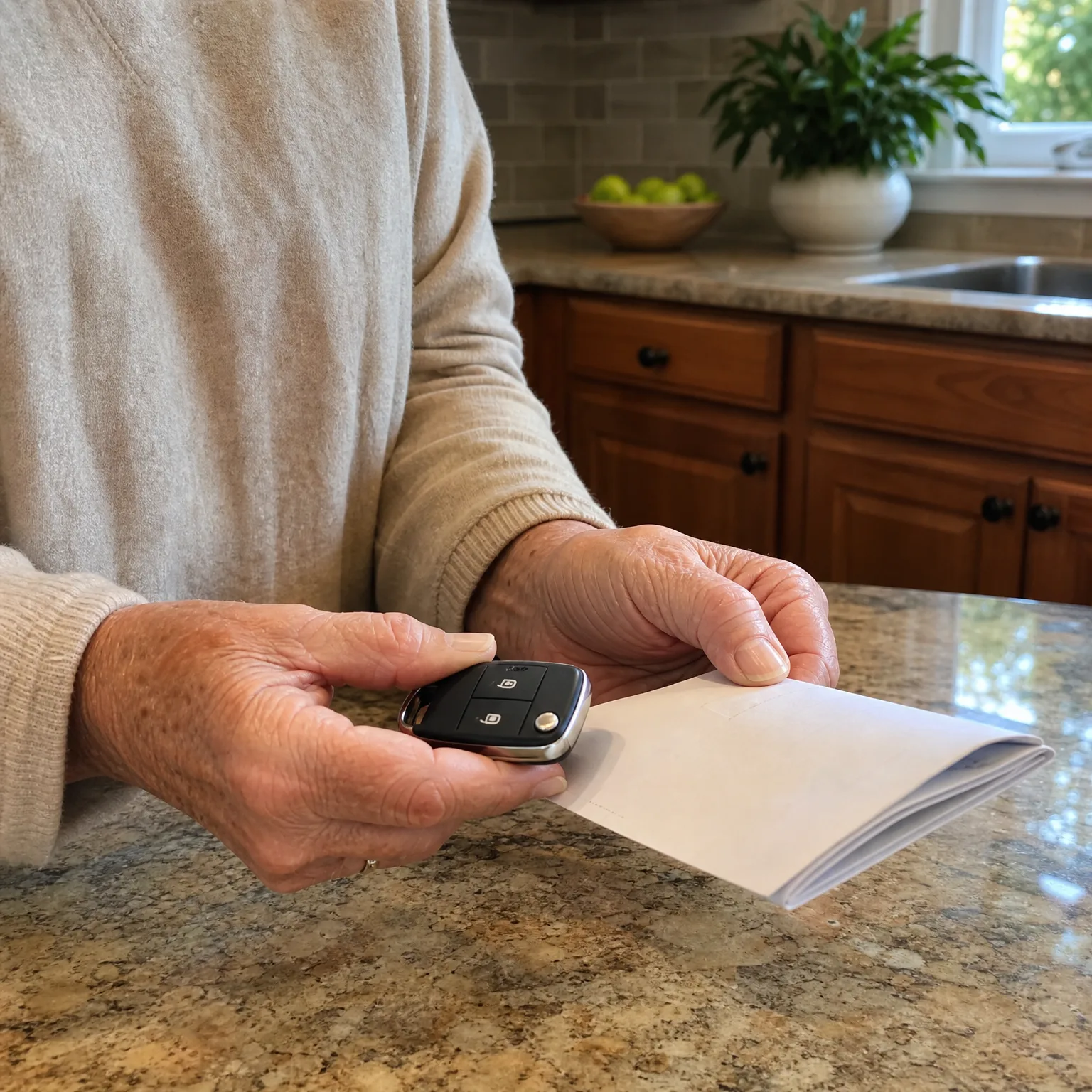
Your driving record still runs the show
A clean record over the past several years keeps your rate as low as it can be. If you've had a ticket or an accident, that stays with you for a set number of years, and the exact length depends on the insurer, not just the state.
Some insurers in Kentucky offer a discount for completing an approved defensive driving or mature driver course. If you take one, ask the insurer directly whether they apply it, and get the completion certificate to them yourself. The course alone doesn't lower anything until they have that paperwork.
If you're driving less than you used to, say so when you get quotes. Some insurers ask about annual mileage and price lower for drivers who are on the road less. This is worth checking even if no one brings it up first.

How you use your car changes what you need
If you're retired and no longer commuting, you may be paying for coverage built around a daily commute you don't make anymore. Tell your insurer or any company you're getting a quote from exactly how the car is used now. That can open up lower mileage brackets or usage-based pricing.
It's also worth looking at what coverage you're carrying versus what you need. If the car is older and paid off, carrying comprehensive and collision might cost more each year than the car is worth if it were totaled. That's a conversation to have with whoever you get quotes from, not a decision to make alone from a renewal notice.
If you've had the same policy for years without comparing it to anything else, you won't know whether you're paying a fair rate for your situation until you do.
Questions people ask about this
Does Medicare or Social Security affect my car insurance eligibility?
No. Car insurance eligibility in Kentucky is based on having a valid driver's license and meeting the insurer's underwriting standards, not on what government programs you're enrolled in. Medicare and Social Security are entirely separate from how auto insurers decide who to cover.
Will my car insurance go up just because I turned a certain age?
Some insurers adjust rates as drivers get older, and this varies by company rather than being a fixed rule. If your renewal price jumped and you're not sure why, ask the insurer directly what changed. Comparing quotes from a few companies will show you whether the increase is specific to one insurer or industry-wide.
Do I need less coverage once I'm retired and driving less in Kentucky?
Not necessarily less coverage, but possibly less of certain types. Kentucky still requires you to carry the state's minimum liability coverage regardless of how much you drive. Beyond that minimum, whether to keep comprehensive and collision is a separate decision based on your car's value, and that's worth discussing with an insurer rather than assuming.
Can I get a discount for only driving occasionally in Kentucky?
Many insurers do offer lower rates for low annual mileage, though the exact threshold and discount amount varies by company. Ask any insurer you're comparing whether they offer a low-mileage or usage-based program and what they require to qualify, such as reporting your odometer or using a tracking device.
Should I drop my car insurance if I rarely drive anymore in Kentucky?
If the car is registered and sits in a driveway, Kentucky still requires it to be insured unless you formally take it off the road. Letting coverage lapse while the car stays registered can lead to penalties and will make it harder to get affordable coverage later. Talk to your insurer about low-mileage or occasional-use options before considering dropping coverage altogether.
See what a few Kentucky insurers would actually charge you before you renew at the same rate again.

Pull out your current renewal notice and your driving record for the past several years. Call your insurer and ask directly whether you qualify for a mature driver discount, a low-mileage discount, or any age-related discount you're not currently getting. If you've completed a defensive driving course, send them the certificate yourself rather than assuming it was applied automatically. Then get quotes from a few other companies using the same coverage limits so you're comparing like for like. If your car is older, ask whichever insurer you're talking to whether comprehensive and collision still make sense given its value. Do this before your policy renews, not after the new rate has already taken effect.