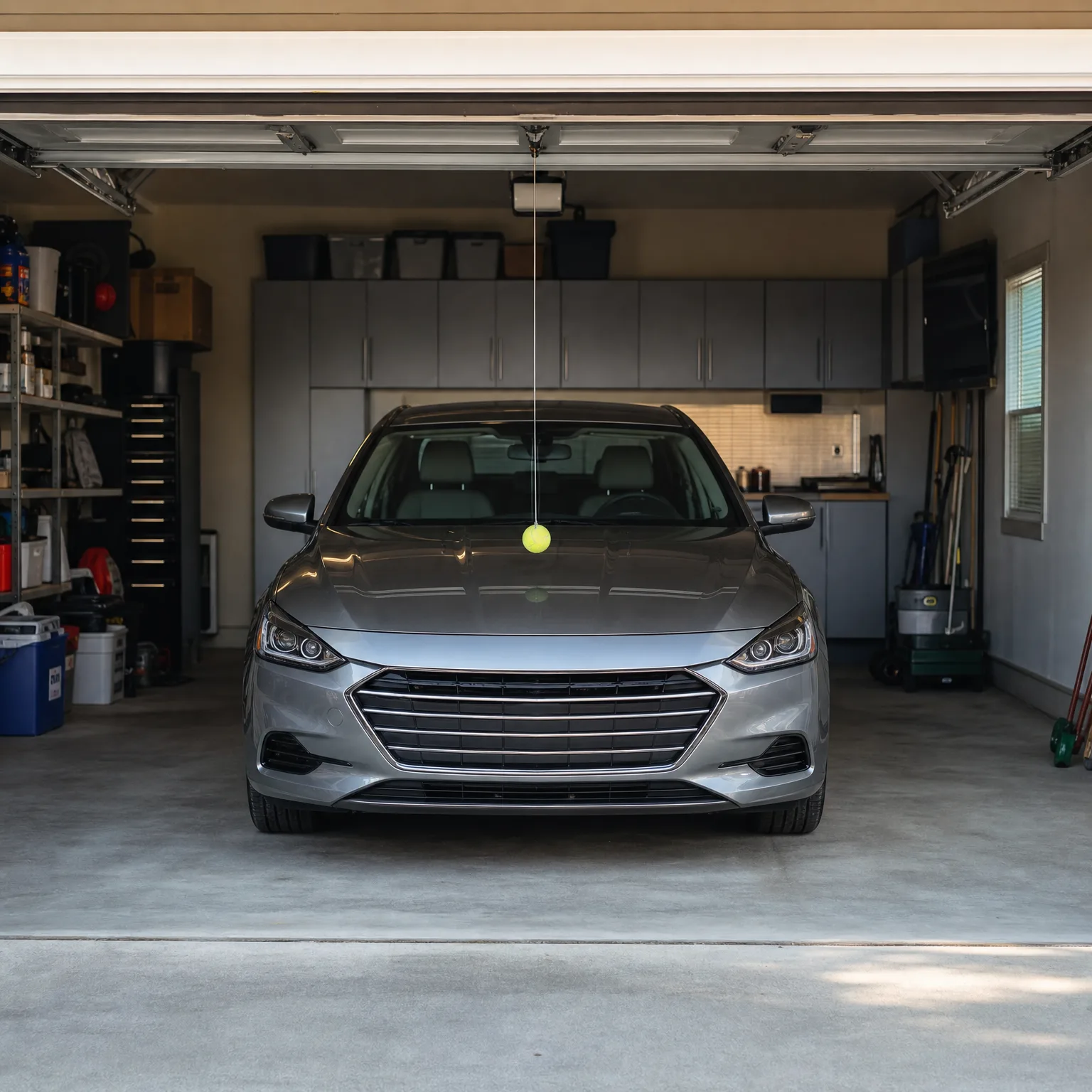
Car Insurance for Seniors on Social Security in Illinois
Being on Social Security doesn't set your rate. Your driving record, coverage choices, and car still decide what you pay.
Your income source doesn't factor into your premium
Illinois insurers don't ask whether your income comes from Social Security, a pension, or a paycheck. Your rate is built from your driving record, your age, where you live in Illinois, the car you drive, and how much coverage you choose. Being retired doesn't raise or lower any of that on its own.
What does change as a senior is the shape of your risk in an insurer's eyes. Some companies see decades of driving experience and reward it. Others watch for the slower reflexes and vision changes that come with age and price for that instead. Which way your insurer leans is worth asking about directly, because it varies by company, not by rule.

Your driving record still outweighs everything else
A clean record built up over years is the strongest thing you bring to a quote. Insurers in Illinois weigh recent tickets and accidents heavily, and a long stretch without either tends to matter more than any other single factor, including age.
If you haven't had a violation in years, ask your insurer whether they have a longevity or safe-driver discount tied to that history. Not every company tracks it the same way, and some only apply it if you ask.
If your record has a recent mark on it, expect that to drive the rate more than your age does. One ticket or at-fault accident in the last few years can outweigh a lifetime of clean driving before it.
Illinois also has a mature driver improvement course that some insurers recognize with a discount. Taking the course doesn't lower your premium by itself. You have to send the completion certificate to your insurer and ask them to apply it.
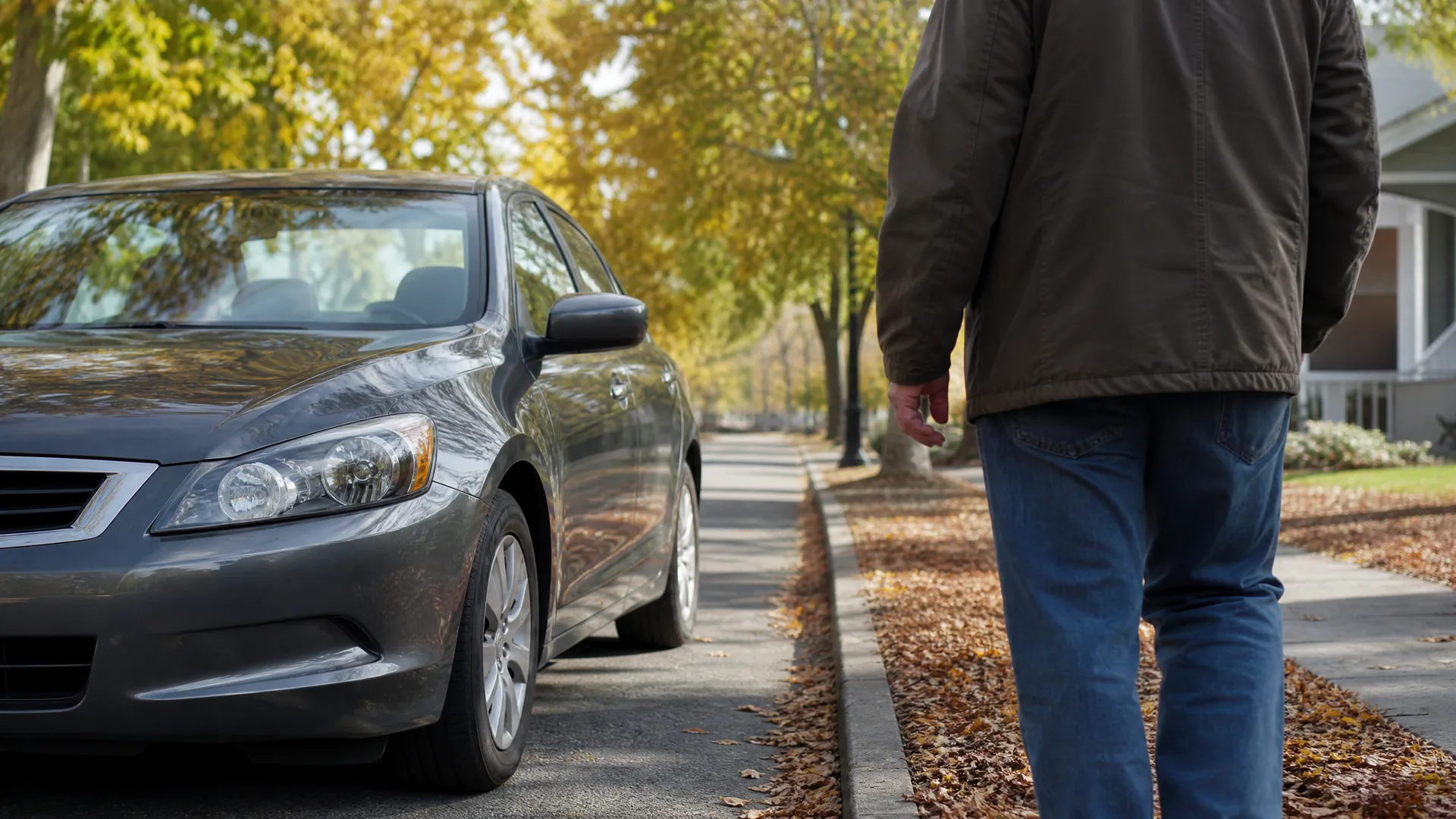
How much you drive and what you drive changes the number too
Many drivers on Social Security are retired, which often means fewer miles than someone commuting to work. If your annual mileage has dropped, tell your insurer. Some companies offer a lower-mileage discount, but they only apply it if you report the change, not automatically.
The car itself matters as much as it ever did. An older, fully paid-off car usually needs less coverage than a newer one, and you may be able to drop collision or comprehensive if the car's value is low enough that the payout wouldn't be worth the premium. That's a decision to make with your insurer, looking at what the car is actually worth now.
If you're on a fixed income, the coverage limits you choose matter more than they might have before. Raising your deductible lowers your monthly premium but means more out of pocket if you file a claim. It's worth running both numbers before you decide, not after a claim forces the question.
Questions people ask about this
Does Medicare affect my car insurance rates in Illinois?
No, Medicare and car insurance are separate and Medicare has no bearing on your auto premium. Car insurers price your policy based on driving factors, not your health coverage or how you pay for medical care.
Can I get a senior discount on car insurance in Illinois just for my age?
Some insurers offer a discount once you reach a certain age, but it isn't universal or automatic. Ask your insurer directly whether they have one and what qualifies you for it, since the age and the terms are set by each company.
Will my car insurance go up if I retire in Illinois?
Retiring itself doesn't raise your premium, but it can lower it if your mileage drops and you report that to your insurer. If you keep the same commute or driving habits, retirement alone changes nothing about your rate.
Do I need full coverage if my car is paid off and I'm on a fixed budget?
Not necessarily. Full coverage, meaning collision and comprehensive, protects the value of your car, so if the car is worth little, the payout in a claim may not justify the premium. Ask your insurer what your car's current value is and compare that to what you'd pay annually for that coverage.
What happens to my car insurance if my vision or health changes as I age?
Illinois requires a vision test to renew your driver's license, and some insurers ask about health conditions that could affect driving. If a condition affects your ability to drive safely, your insurer may ask about it at renewal, but this depends on the company and the condition, so ask your insurer what they require.
See what Illinois insurers would actually charge someone with your record and your car.

Pull your current policy and look at what you're paying for collision and comprehensive versus what your car is worth today. Call your insurer and ask directly whether they offer a mature driver discount, a low-mileage discount, or any discount tied to completing the state's mature driver improvement course. If you take that course, mail or upload the certificate yourself, since most insurers won't apply the discount until you do. Then get a few quotes from other Illinois insurers to see whether your current company's view of your age and record is competitive or whether another insurer prices it differently.